Rimjhim… shows Yashika, 16, in intimate scene with adult co-star; criticised
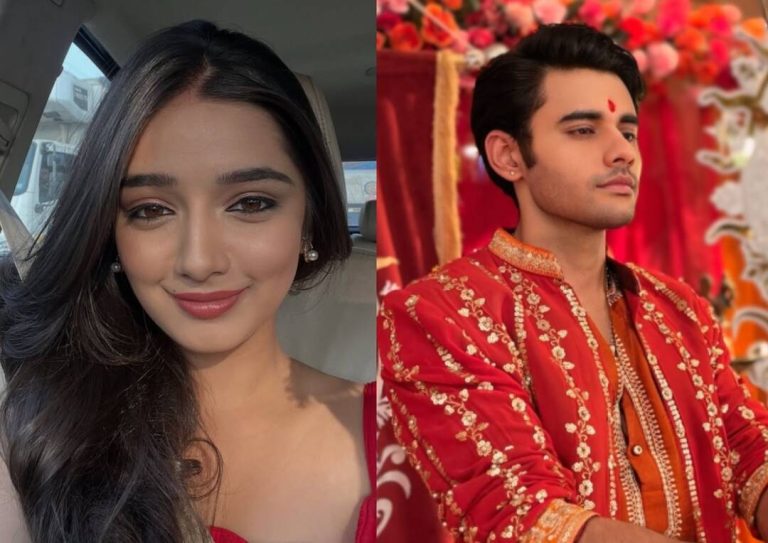
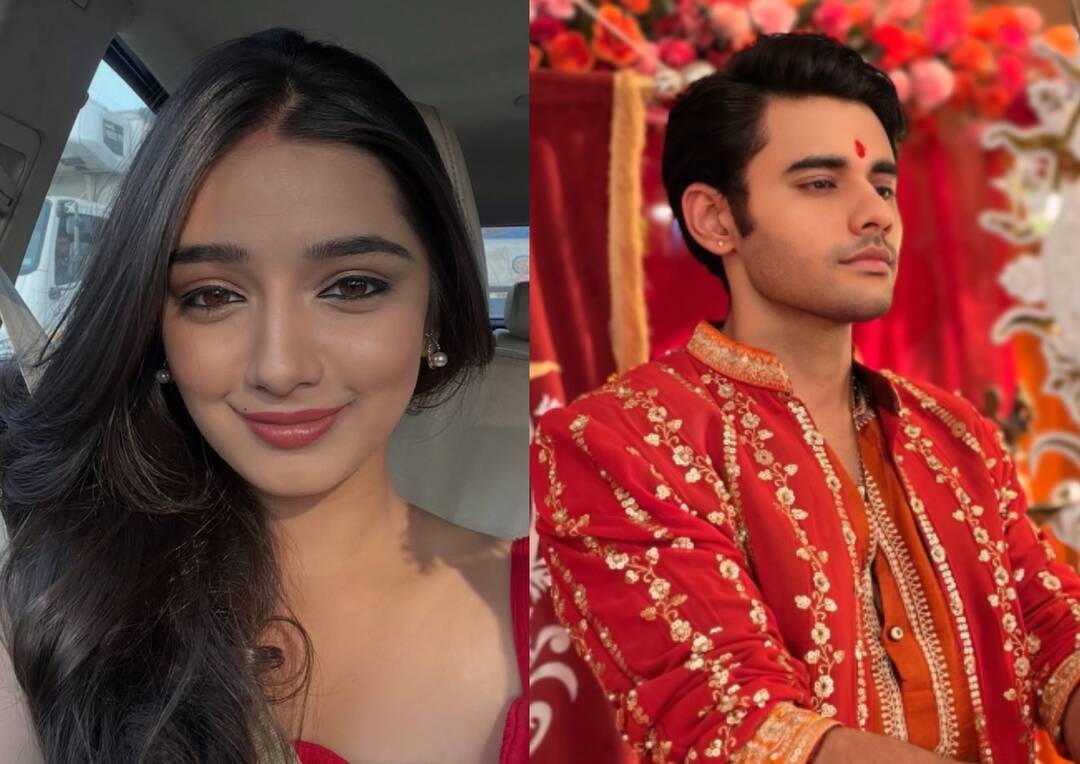
The Indian television industry has been known for pushing boundaries and exploring complex storylines, but a recent episode of the TV show “Rimjhim – Choti Umar Bada Safar” has sparked outrage among viewers. The show, which features 16-year-old Yashika Sharma as the female lead, has been criticized for depicting intimate scenes between Yashika and her 24-year-old co-star, Himanshu Awasthie. The backlash has been severe, with many taking to social media to express their discomfort and outrage over the scenes.
At the center of the controversy is Yashika Sharma, a 16-year-old actress who has been cast as the lead in the show. While Yashika’s performance has been praised by many, her involvement in intimate scenes with her adult co-star has raised eyebrows. Many have questioned the decision to cast a minor in such a role, and the show’s creators have been accused of being insensitive and irresponsible.
The criticism has been fierce, with many taking to social media to express their outrage. A Reddit user wrote, “In which world is it okay for a 15-year-old to shoot such intimate scenes?” Another user wrote, “Ewwww!! Stop sexualising minors!!” The comments section has been filled with similar reactions, with many calling for the show to be banned or for Yashika to be replaced by an older actress.
The controversy has also sparked a debate about the portrayal of minors in Indian television. Many have argued that the show’s creators have a responsibility to ensure that child actors are not exposed to explicit or mature content, and that they are protected from exploitation. Others have pointed out that the show’s storyline, which explores complex themes such as love and relationships, is not suitable for a minor.
The show’s creators have not yet responded to the criticism, but it is likely that they will face pressure to address the concerns of viewers. In the meantime, the controversy has sparked a wider conversation about the role of minors in Indian television and the need for greater protection and regulation.
The Indian television industry has a long history of pushing boundaries and exploring complex themes, but this controversy highlights the need for greater sensitivity and responsibility. As the industry continues to evolve and grow, it is essential that creators prioritize the well-being and safety of child actors and ensure that they are not exposed to explicit or mature content.
In recent years, there have been several instances of child actors being cast in roles that have sparked controversy. In 2020, a TV show was criticized for depicting a minor in a romantic relationship with an adult, and in 2019, a film was accused of exploiting child actors. These incidents highlight the need for greater regulation and protection of child actors in the Indian entertainment industry.
The controversy surrounding “Rimjhim – Choti Umar Bada Safar” is a wake-up call for the industry, and it is essential that creators take steps to address the concerns of viewers. This includes ensuring that child actors are not exposed to explicit or mature content, and that they are protected from exploitation. It also requires a greater emphasis on sensitivity and responsibility, and a commitment to prioritizing the well-being and safety of child actors.
As the debate continues, it is essential that we consider the impact of such portrayals on minors and the wider society. The exploitation of child actors is a serious issue, and it is essential that we take steps to prevent it. This includes regulating the industry, providing greater protection for child actors, and ensuring that they are not exposed to explicit or mature content.
In conclusion, the controversy surrounding “Rimjhim – Choti Umar Bada Safar” highlights the need for greater sensitivity and responsibility in the Indian television industry. The portrayal of minors in intimate scenes with adults is unacceptable, and it is essential that creators take steps to address the concerns of viewers. As the industry continues to evolve and grow, it is essential that we prioritize the well-being and safety of child actors and ensure that they are protected from exploitation.
About the Author