Rimjhim… shows Yashika, 16, in intimate scene with adult co-star; criticised
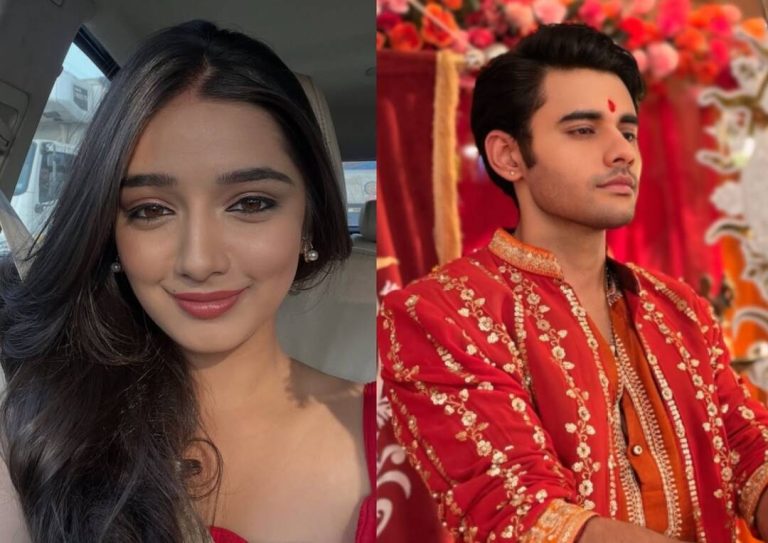
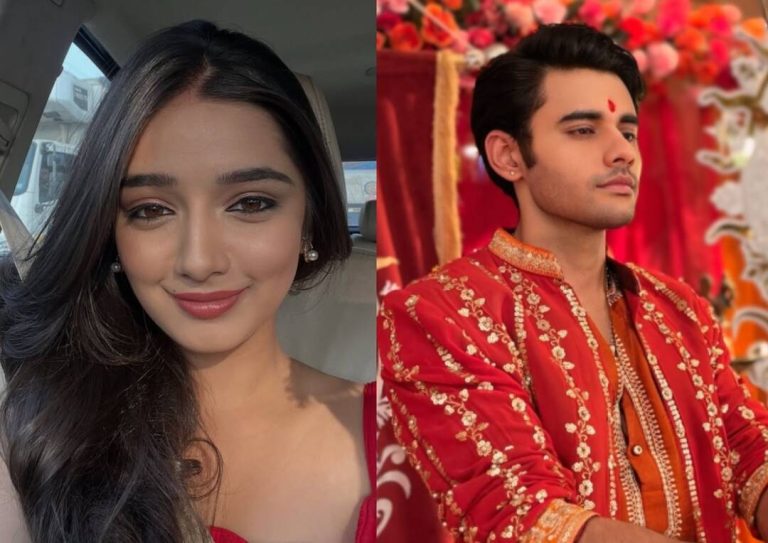
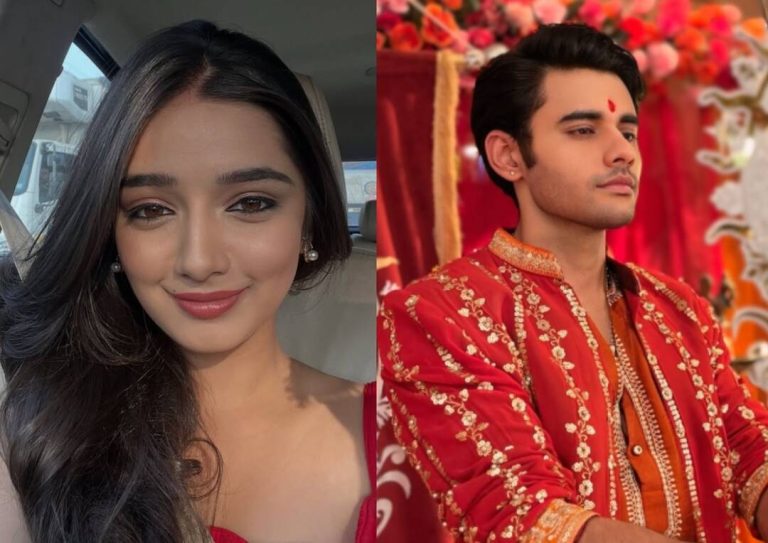
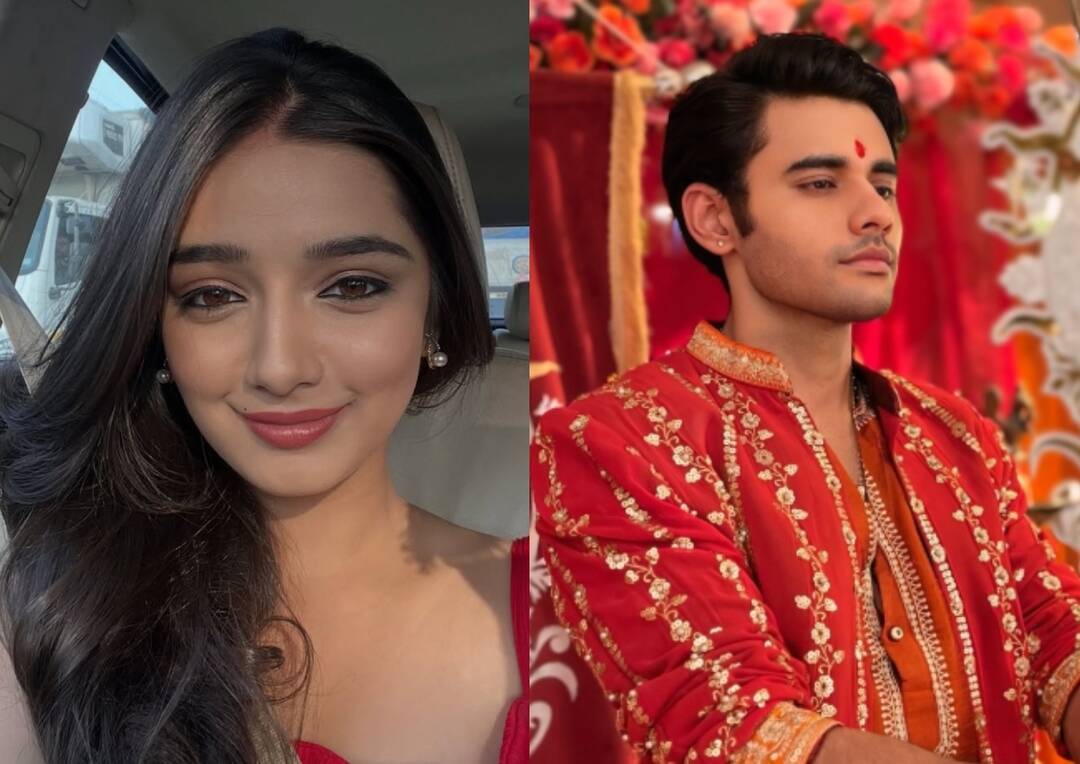
The Indian television industry has been known to push the boundaries of what is considered acceptable on screen, but a recent episode of the TV show “Rimjhim – Choti Umar Bada Safar” has sparked outrage among viewers. The show’s 16-year-old female lead, Yashika Sharma, was seen performing intimate scenes with her 24-year-old male co-star Himanshu Awasthie, leaving many to question the ethics of such a portrayal.
The scene in question has been widely shared on social media, with many expressing their discomfort and criticism towards the show’s creators. A Reddit user wrote, “In which world is it okay for a 15-year-old to shoot such intimate scenes?” Another user chimed in, “Ewwww!! Stop sexualising minors!!” The backlash has been swift and severe, with many calling for the show to be taken off the air.
The issue at hand is not just about the scene itself, but about the larger implications of such a portrayal. By showing a 16-year-old in intimate scenes with an adult, the show’s creators are perpetuating a harmful and unrealistic representation of relationships. It sends a message that it is acceptable for adults to engage in romantic and physical relationships with minors, which is not only illegal but also morally reprehensible.
Moreover, the fact that Yashika Sharma is a minor herself raises serious concerns about her well-being and safety on set. As a 16-year-old, she is still a child and should be protected from such explicit content. The show’s creators have a responsibility to ensure that their young actors are not exposed to situations that could be potentially harmful or traumatic.
It is also worth noting that the show’s storyline, which revolves around the life of a young girl navigating the challenges of growing up, could have been portrayed in a more responsible and sensitive manner. The creators could have chosen to focus on themes such as friendship, family, and self-discovery, rather than resorting to explicit content.
The criticism of the show has also sparked a larger conversation about the representation of minors in the media. Many have pointed out that the show’s portrayal of Yashika Sharma is not an isolated incident, but rather a symptom of a larger problem. The media has a tendency to sexualize and objectify young girls, often without considering the potential consequences.
In recent years, there have been several instances of TV shows and films featuring young actresses in explicit roles. While some may argue that these portrayals are necessary for the sake of artistic expression, others believe that they perpetuate a culture of exploitation and objectification.
Ultimately, the controversy surrounding “Rimjhim – Choti Umar Bada Safar” serves as a reminder of the need for greater sensitivity and responsibility in the media. Show creators have a duty to ensure that their content is respectful and safe for all viewers, particularly children and minors.
As the debate surrounding the show continues, it is essential to consider the potential impact of such portrayals on young viewers. By perpetuating harmful and unrealistic representations of relationships, the media can contribute to a culture of exploitation and objectification. It is time for the industry to take a step back and re-evaluate its approach to portraying minors on screen.
In conclusion, the controversy surrounding “Rimjhim – Choti Umar Bada Safar” is a stark reminder of the need for greater sensitivity and responsibility in the media. The show’s portrayal of a 16-year-old in intimate scenes with an adult co-star is not only unacceptable but also potentially harmful. As the conversation surrounding the show continues, it is essential to consider the potential impact of such portrayals on young viewers and to advocate for greater protection and respect for minors in the media.
About the Author