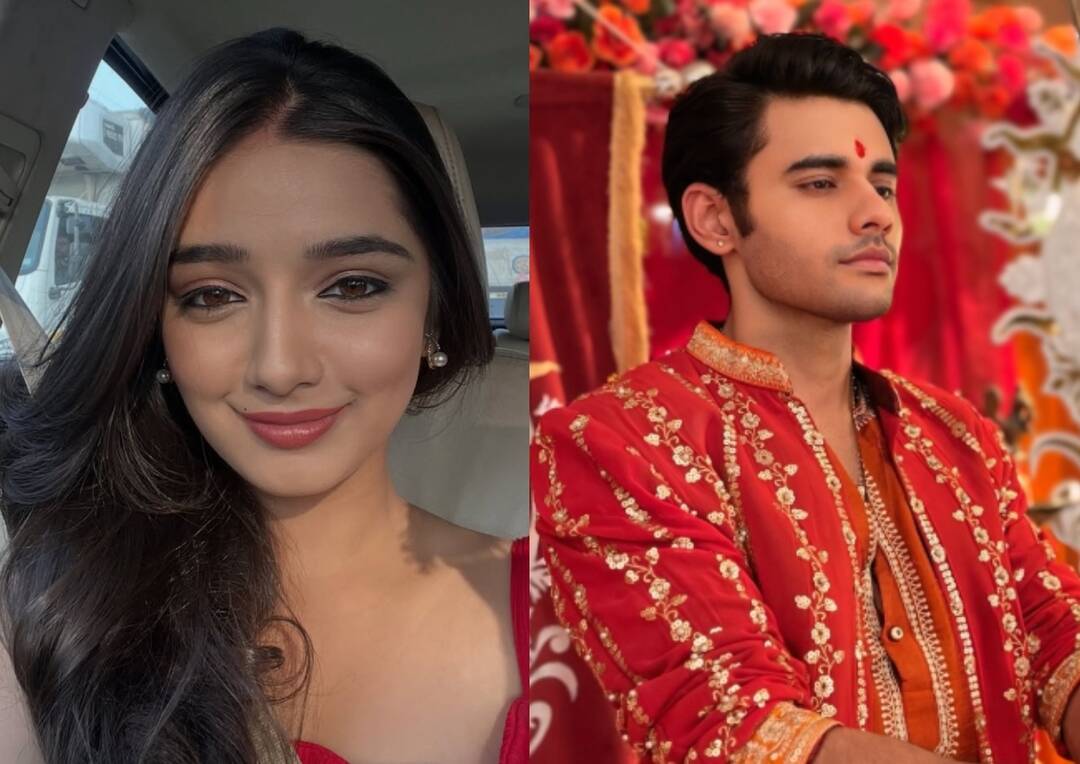
Rimjhim… shows Yashika, 16, in intimate scene with adult co-star; criticised
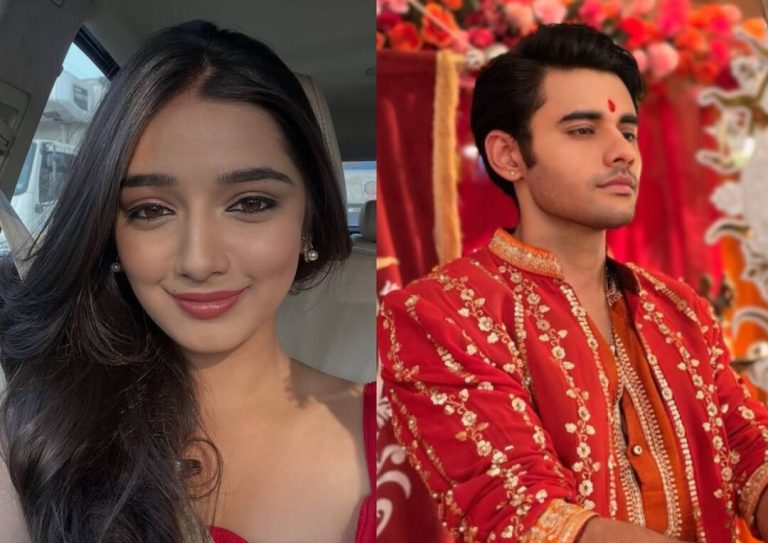
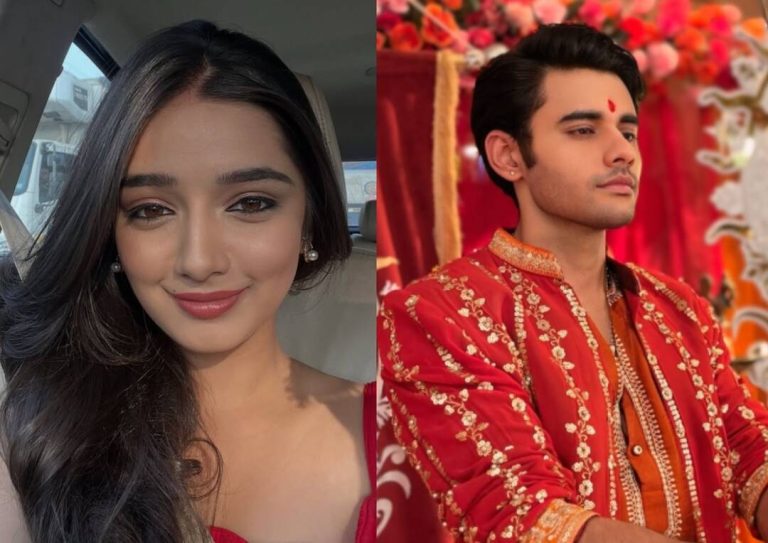
The Indian television industry has been known for its dramatic and often provocative storylines, but a recent episode of the TV show “Rimjhim – Choti Umar Bada Safar” has sparked outrage among viewers. The show, which features 16-year-old Yashika Sharma as the female lead, has been facing backlash for depicting intimate scenes between Yashika and her 24-year-old male co-star, Himanshu Awasthie. The controversy has raised questions about the ethics of casting minors in adult roles and the boundaries of what is considered acceptable on Indian television.
The episode in question has been widely shared on social media, with many viewers expressing their discomfort and outrage at the intimate scenes between Yashika and Himanshu. A Reddit user wrote, “In which world is it okay for a 15-year-old to shoot such intimate scenes?” Another user commented, “Ewwww!! Stop sexualising minors!!” The backlash has been swift and merciless, with many calling for the show to be taken off the air and for the producers to be held accountable for their decision to cast a minor in such a role.
The issue at hand is not just about the age of the actress, but also about the power dynamic at play. Yashika, at 16, is still a minor, and her co-star, Himanshu, is 24. The age difference between the two actors is significant, and it raises questions about the kind of pressure and influence that Yashika may be under. As a minor, Yashika is still in a vulnerable position, and it is the responsibility of the producers and the adults involved in the show to ensure that she is protected and not taken advantage of.
The controversy surrounding “Rimjhim” is not an isolated incident. There have been several instances in the past where Indian TV shows have been criticized for their portrayal of minors in adult roles. The issue is complex and multifaceted, and it requires a nuanced and thoughtful approach. On the one hand, there is the need to protect minors from exploitation and harm. On the other hand, there is the need to provide opportunities for young actors to showcase their talent and to tell stories that are relevant and authentic.
The problem with “Rimjhim” is that it seems to be prioritizing sensationalism and ratings over the well-being and safety of its young star. By depicting intimate scenes between Yashika and Himanshu, the show is sending a message that it is okay to sexualize minors and to blur the lines between childhood and adulthood. This is a dangerous and disturbing trend, and it needs to be addressed.
The criticism of “Rimjhim” is not just about the show itself, but also about the broader cultural context in which it is operating. Indian society has a complex and often contradictory attitude towards sex and sexuality. On the one hand, there is a strong emphasis on modesty and chastity, particularly for women. On the other hand, there is a growing trend towards liberalization and openness, particularly among young people. This tension between traditional values and modern attitudes is reflected in the controversy surrounding “Rimjhim”, and it highlights the need for a more nuanced and thoughtful approach to issues of sex and sexuality.
In conclusion, the controversy surrounding “Rimjhim” is a wake-up call for the Indian television industry. It highlights the need for more careful consideration and thoughtfulness when it comes to casting minors in adult roles. It also underscores the importance of protecting young actors from exploitation and harm. As a society, we need to be more mindful of the messages that we are sending to young people, and we need to be more thoughtful about the kind of content that we are creating and consuming.
The backlash against “Rimjhim” is a testament to the power of social media and the ability of viewers to hold producers and creators accountable for their actions. It is a reminder that television is a powerful medium, and that it has the ability to shape and influence public opinion. As we move forward, it is essential that we prioritize the well-being and safety of young actors, and that we create content that is respectful, thoughtful, and responsible.
About the Author