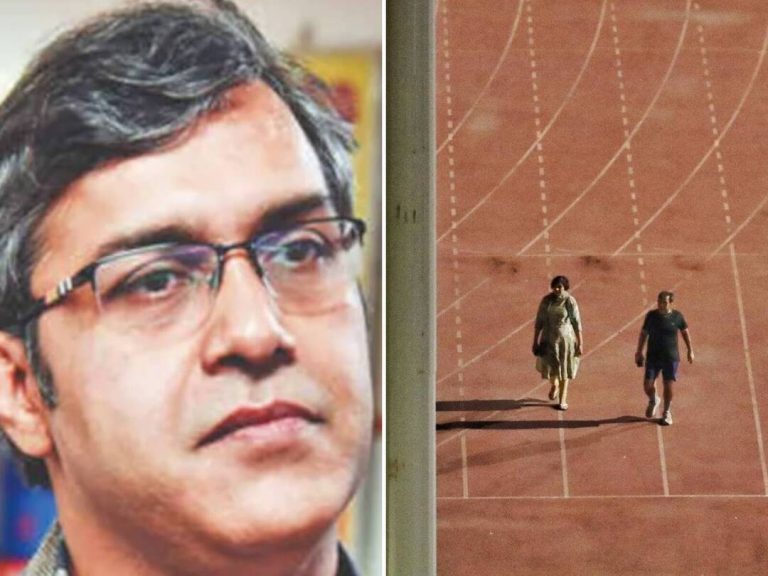
RGV backtracks after claiming AR Rahman didn’t compose ‘Jai Ho’
The world of Bollywood is no stranger to controversy, and the latest storm to brew in the Indian film industry has left fans and critics alike scratching their heads. A recent clip surfaced showing filmmaker Ram Gopal Varma claiming that singer Sukhwinder Singh, not the renowned music composer AR Rahman, was behind the composition of the Oscar-winning song ‘Jai Ho’. The song, which won the Academy Award for Best Original Song in 2009, was featured in the film ‘Slumdog Millionaire’ and has been widely acclaimed for its energetic and uplifting melody.
The clip, which has been making the rounds on social media, shows Varma speaking to an audience about the song’s origins. According to Varma, Sukhwinder Singh, who lent his voice to the song, was the one who actually composed the tune. This statement has sparked outrage and confusion among fans, who have always credited AR Rahman with the song’s composition. Rahman, who is widely regarded as one of the most talented and influential music composers in Indian cinema, has won numerous awards for his work, including several National Film Awards, Filmfare Awards, and of course, the Oscar.
However, soon after the clip resurfaced, Varma took to social media to clarify his comments, claiming that he was being “misquoted and misread out of context.” In a statement, Varma expressed his admiration for AR Rahman, calling him “the greatest composer and nicest person I ever met.” Varma added that Rahman is “the last person to take away anybody’s credit,” implying that he would never intentionally try to diminish the composer’s achievements.
It’s worth noting that Varma’s clarification has done little to quell the controversy, with many fans still expressing skepticism about the filmmaker’s intentions. Some have pointed out that Varma has a history of making provocative statements, and that his comments about ‘Jai Ho’ may have been designed to generate attention and publicity. Others have defended Varma, arguing that he was simply trying to give credit to Sukhwinder Singh, who has often been overlooked in discussions about the song’s composition.
Regardless of Varma’s intentions, the controversy has sparked a wider debate about the importance of giving credit where credit is due in the entertainment industry. Many fans and critics have pointed out that the success of a song like ‘Jai Ho’ is often the result of a collaborative effort, involving not just the composer, but also the singers, lyricists, and other musicians who work behind the scenes. By recognizing the contributions of all these individuals, we can gain a deeper appreciation for the art and craftsmanship that goes into creating music that inspires and uplifts us.
In the case of ‘Jai Ho’, it’s clear that AR Rahman’s composition played a huge role in the song’s success. The song’s energetic and uplifting melody, combined with its inspirational lyrics, helped to make it a global phenomenon, and its Oscar win was a testament to its enduring appeal. At the same time, however, it’s also important to recognize the contributions of other artists who worked on the song, including Sukhwinder Singh, who brought the composition to life with his powerful vocals.
Ultimately, the controversy surrounding Varma’s comments is a reminder that the entertainment industry is a complex and multifaceted world, where collaborations and contributions can often be overlooked or misunderstood. By giving credit where credit is due, and by recognizing the hard work and dedication that goes into creating music and film, we can promote a more nuanced and appreciative understanding of the art and craftsmanship that inspires us.
In conclusion, the recent controversy surrounding Ram Gopal Varma’s comments about ‘Jai Ho’ has sparked a wider debate about the importance of giving credit where credit is due in the entertainment industry. While Varma’s clarification has done little to quell the controversy, it’s clear that the success of a song like ‘Jai Ho’ is the result of a collaborative effort, involving many talented individuals who work behind the scenes. By recognizing the contributions of all these artists, we can gain a deeper appreciation for the art and craftsmanship that goes into creating music that inspires and uplifts us.
About the Author