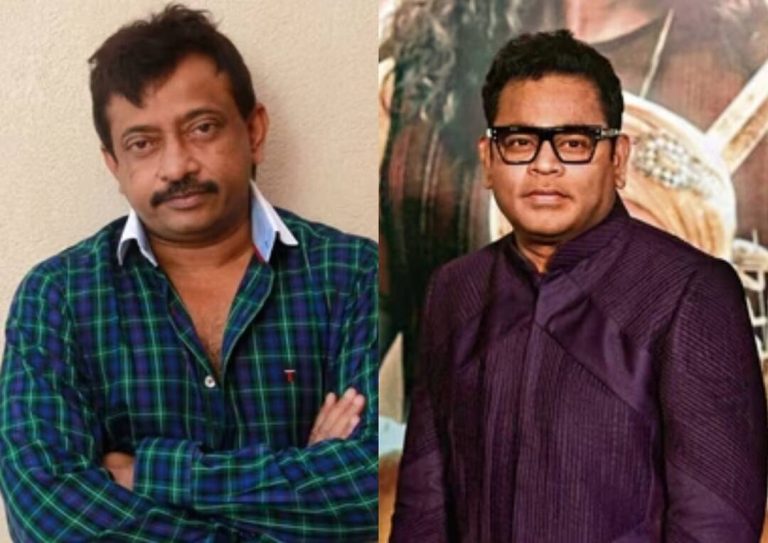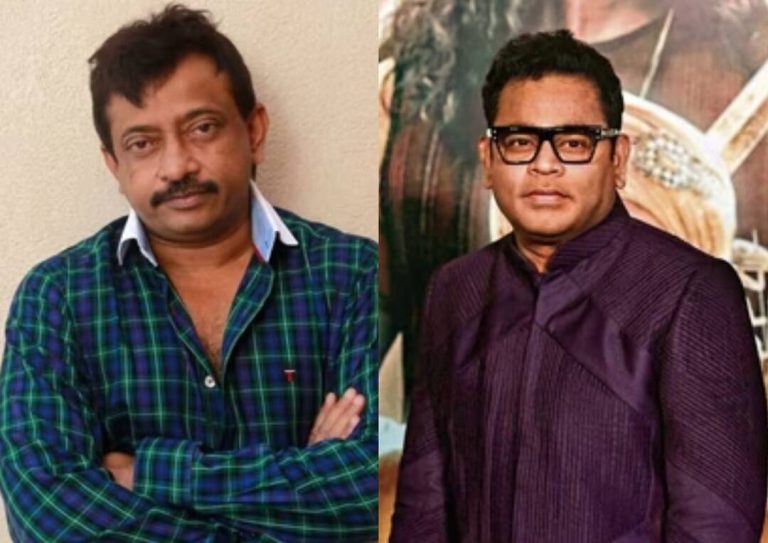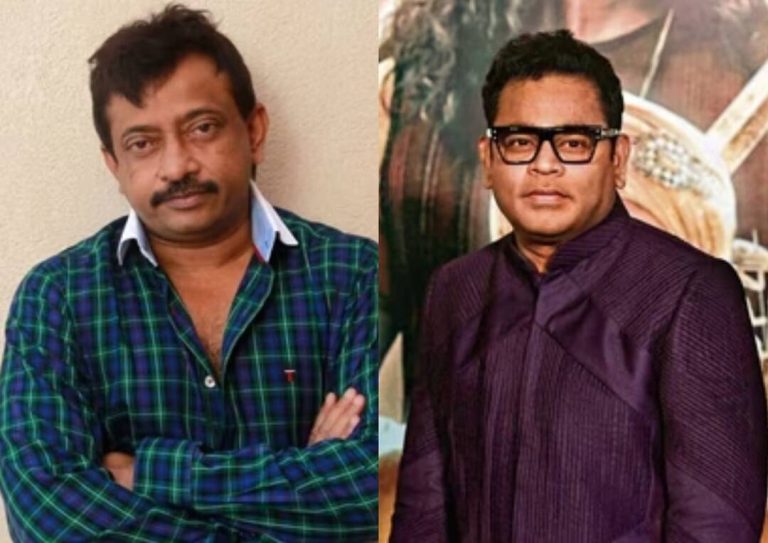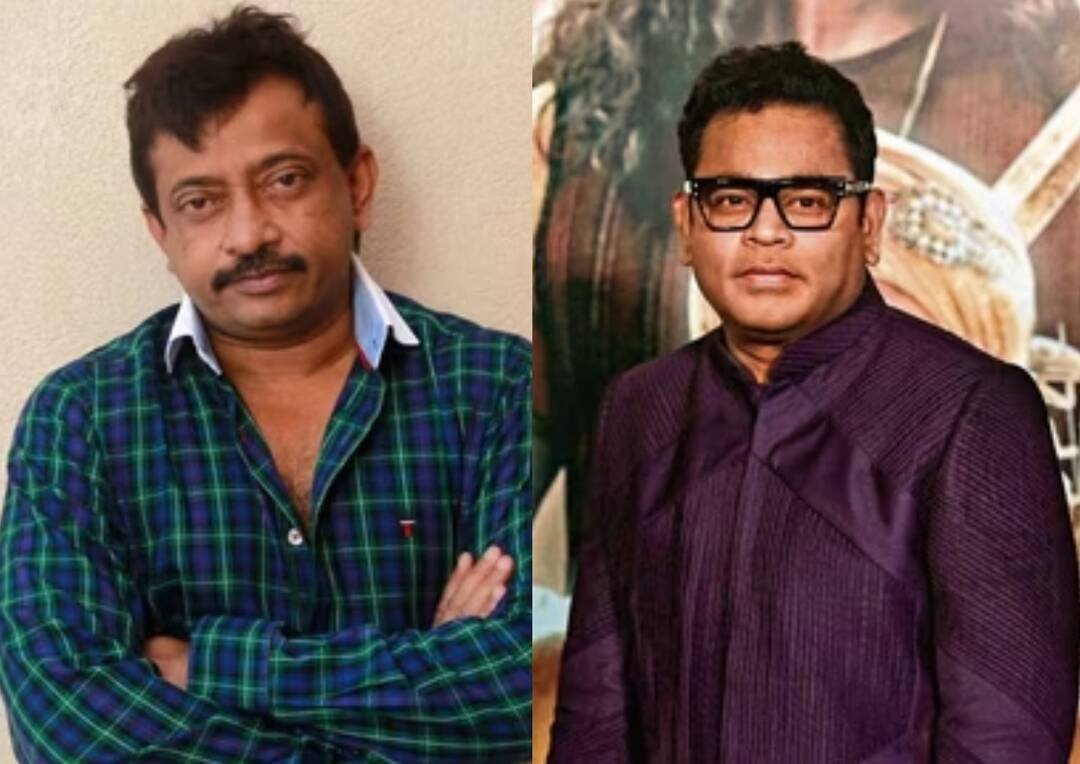
RGV backtracks after claiming AR Rahman didn’t compose ‘Jai Ho’
The world of Bollywood is no stranger to controversy, and the latest storm to brew in the Indian film industry has left fans and music lovers stunned. In a shocking claim, filmmaker Ram Gopal Varma recently stated that AR Rahman, the acclaimed music composer, did not compose the iconic song ‘Jai Ho’ from the movie Slumdog Millionaire. The song, which won several awards, including the prestigious Academy Award for Best Original Song, has been a benchmark for Indian music globally.
In an old clip that resurfaced, Varma can be seen claiming that singer Sukhwinder Singh, who lent his voice to the song, was actually the composer of ‘Jai Ho’. This statement sent shockwaves across the music and film fraternity, with many expressing their disbelief and outrage on social media platforms. The news of Varma’s claim spread like wildfire, with fans and music enthusiasts questioning the credibility of the statement.
However, soon after the clip resurfaced, Varma took to social media to clarify his stance. In a statement, he claimed that he was being “misquoted and misread out of context.” Varma, known for his bold and often controversial statements, seemed to backtrack on his earlier claim, stating that AR Rahman is indeed the greatest composer and one of the nicest people he has ever met. He further added that Rahman is the last person to take away anybody’s credit, implying that the composer is too humble and kind to indulge in such practices.
The controversy surrounding ‘Jai Ho’ has sparked a debate about the authenticity of Varma’s claim and the role of composers, singers, and lyricists in the creation of a song. While some have come out in support of Varma, stating that he may have had a point, others have vehemently denied his claim, citing the numerous awards and accolades that AR Rahman has received for the song.
It is worth noting that ‘Jai Ho’ was a collaborative effort between AR Rahman, Gulzar, and Sukhwinder Singh, among others. The song’s composition, lyrics, and singing all came together to create a masterpiece that resonated with audiences worldwide. To suggest that anyone other than AR Rahman composed the song is not only misleading but also unfair to the composer’s genius and contribution to the song.
The backlash against Varma’s claim has been swift and severe, with many in the film industry coming out to defend AR Rahman’s credentials as a composer. The incident has also raised questions about the role of social media in spreading misinformation and the importance of verifying facts before jumping to conclusions.
In the end, it seems that Varma’s claim has been put to rest, and the controversy surrounding ‘Jai Ho’ has been laid to rest. AR Rahman’s composition remains one of the most iconic and beloved songs in Indian cinema, and his contribution to the song is undeniable. As for Varma, it seems that he has learned a valuable lesson about the power of words and the importance of choosing them wisely.
The incident is a reminder that in the age of social media, where information spreads quickly, it is essential to verify facts and be careful about what we say and share. The controversy surrounding ‘Jai Ho’ may have been short-lived, but it has left a lasting impact on the music and film fraternity, highlighting the importance of accuracy, fairness, and respect for the creative contributions of artists.
In conclusion, the controversy surrounding Ram Gopal Varma’s claim about AR Rahman and ‘Jai Ho’ has been a significant talking point in the film and music industry. While Varma’s claim may have been misinterpreted, it has sparked a necessary debate about the importance of accuracy, fairness, and respect for creative contributions. As we move forward, it is essential to remember the power of words and the impact they can have on individuals and the industry as a whole.
About the Author