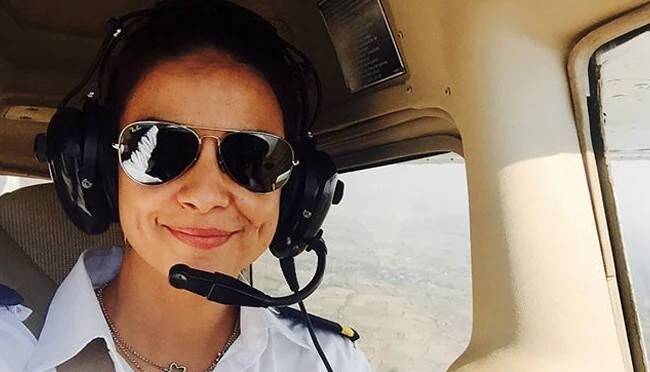
Real issue of safety & fatigue pushed to back burner: Actor-pilot Gul on IndiGo crisis
The recent chaos surrounding IndiGo’s cancellation of hundreds of flights has sparked a heated debate about the airline industry’s compliance with safety regulations. Amidst the chaos, actress and certified pilot Gul Panag took to social media to express her concerns about the real issue at hand: safety and fatigue. In a thought-provoking post, Panag pointed out that the narrative has shifted from the crucial issue of pilot fatigue and safety to the chaos caused by the flight cancellations.
“Interesting how the narrative has been moved from safety and fatigue to chaos…The real issue, updated FDTL norms designed to protect lives, has been pushed to back burner,” she wrote. Panag’s statement highlights the importance of prioritizing safety and fatigue in the airline industry, and how the recent developments have diverted attention from these critical concerns.
The Flight Duty Time Limits (FDTL) rules, which regulate the maximum number of hours a pilot can fly without rest, have been updated to ensure that pilots are well-rested and alert during flights. The new norms are designed to protect the lives of passengers and crew members by preventing pilot fatigue, which can lead to accidents. However, IndiGo’s inability to comply with these rules has resulted in the cancellation of hundreds of flights, causing inconvenience to thousands of passengers.
The issue of pilot fatigue is a serious concern in the airline industry, as it can have devastating consequences. Fatigued pilots are more likely to make errors, which can lead to accidents. In fact, pilot fatigue has been cited as a contributing factor in several high-profile accidents in recent years. The updated FDTL norms are an attempt to address this issue and ensure that pilots are adequately rested before taking to the skies.
However, the recent controversy surrounding IndiGo’s non-compliance with the new FDTL norms has shifted the focus away from the critical issue of safety and fatigue. The media and the public are more concerned about the chaos caused by the flight cancellations, rather than the underlying issue of pilot fatigue. This is precisely what Panag is highlighting in her post – the real issue of safety and fatigue has been pushed to the back burner, while the chaos caused by the flight cancellations has taken center stage.
It is essential to recognize that safety and fatigue are not just concerns for pilots, but also for passengers. When pilots are well-rested and alert, they are better equipped to handle emergency situations and ensure the safety of everyone on board. The updated FDTL norms are a step in the right direction, as they prioritize the safety of passengers and crew members.
In addition to the updated FDTL norms, the airline industry must also address the root causes of pilot fatigue. This includes providing adequate rest periods, improving working conditions, and ensuring that pilots are not overworked. Airlines must also invest in fatigue management systems and provide training to pilots on managing fatigue.
The IndiGo crisis has highlighted the need for the airline industry to prioritize safety and fatigue. It is essential for airlines to comply with the updated FDTL norms and take proactive steps to address pilot fatigue. The government and regulatory bodies must also play a crucial role in ensuring that airlines prioritize safety and fatigue, and take strict action against those who fail to comply with regulations.
In conclusion, the recent controversy surrounding IndiGo’s non-compliance with the new FDTL norms has highlighted the importance of prioritizing safety and fatigue in the airline industry. As Gul Panag pointed out, the real issue of safety and fatigue has been pushed to the back burner, while the chaos caused by the flight cancellations has taken center stage. It is essential to recognize that safety and fatigue are critical concerns that must be addressed to ensure the well-being of passengers and crew members. The airline industry, government, and regulatory bodies must work together to prioritize safety and fatigue, and take proactive steps to prevent pilot fatigue.
About the Author