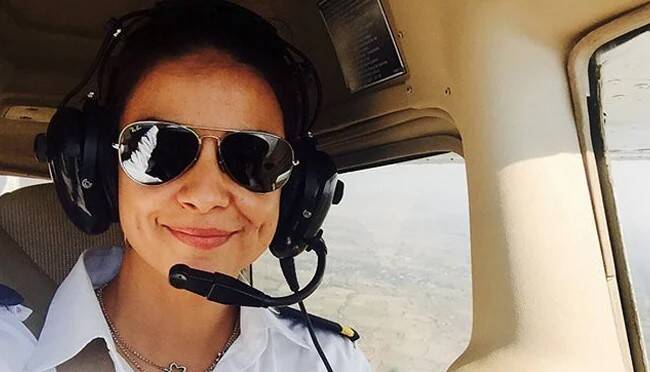
Real issue of safety & fatigue pushed to back burner: Actor-pilot Gul on IndiGo crisis
The Indian aviation industry has been abuzz with the recent crisis surrounding IndiGo, one of the country’s largest airlines. The airline has been forced to cancel hundreds of flights due to its inability to comply with new Flight Duty Time Limits (FDTL) rules. Amidst the chaos and confusion, actress and certified pilot Gul Panag has weighed in on the issue, highlighting the real concern that seems to have been overlooked in the midst of the fiasco.
Gul Panag, who is not only a well-known actress but also a licensed pilot, took to social media to express her thoughts on the matter. “Interesting how the narrative has been moved from safety and fatigue to chaos…The real issue, updated FDTL norms designed to protect lives, has been pushed to back burner,” she wrote. Her statement echoes the concerns of many in the aviation industry, who believe that the focus on safety and pilot fatigue has been lost in the discussions surrounding the IndiGo crisis.
The new FDTL rules, which came into effect recently, are designed to reduce pilot fatigue and ensure that flight crew members are well-rested and alert during flights. The rules dictate the maximum number of hours that pilots can fly, as well as the minimum amount of rest they must get between flights. The aim of these rules is to minimize the risk of accidents caused by pilot fatigue, which is a major concern in the aviation industry.
However, IndiGo’s inability to comply with these rules has led to a significant disruption in its operations, with hundreds of flights being cancelled. The airline has cited various reasons for its inability to comply, including a shortage of pilots and crew members. While the airline’s struggles to adapt to the new rules are understandable, the fact remains that safety and pilot fatigue are critical issues that cannot be compromised.
Gul Panag’s statement highlights the importance of prioritizing safety and pilot fatigue in the aviation industry. As a certified pilot herself, she understands the risks associated with pilot fatigue and the need for strict regulations to mitigate these risks. Her comments also underscore the need for a more nuanced discussion around the IndiGo crisis, one that takes into account the complexities of the issue and the potential consequences of compromising on safety.
The IndiGo crisis has sparked a wider debate about the state of the Indian aviation industry and the challenges it faces. While the industry has grown rapidly in recent years, it has also been plagued by issues such as pilot shortages, infrastructure constraints, and regulatory challenges. The FDTL rules are just one aspect of a broader effort to improve safety and efficiency in the industry.
However, the fact that the narrative around the IndiGo crisis has shifted from safety and fatigue to chaos and disruption is a concern. It suggests that the industry and the media are more focused on the short-term consequences of the crisis, such as flight cancellations and passenger inconvenience, rather than the long-term implications for safety and pilot fatigue.
As Gul Panag pointed out, the updated FDTL norms are designed to protect lives, and it is essential that the industry and regulators prioritize these norms. The IndiGo crisis is an opportunity for the industry to reflect on its priorities and to ensure that safety and pilot fatigue are given the attention they deserve.
In conclusion, the IndiGo crisis has highlighted the importance of prioritizing safety and pilot fatigue in the aviation industry. While the chaos and disruption caused by the airline’s inability to comply with FDTL rules are significant, they must not overshadow the real issue at hand. As Gul Panag so aptly put it, the narrative must be refocused on safety and fatigue, rather than being pushed to the back burner.
The Indian aviation industry has a responsibility to ensure that safety and pilot fatigue are given the highest priority. This requires a concerted effort from airlines, regulators, and other stakeholders to implement and enforce strict safety protocols, including the new FDTL rules. Only by prioritizing safety and pilot fatigue can the industry minimize the risk of accidents and ensure that passengers and crew members are protected.
About the Author