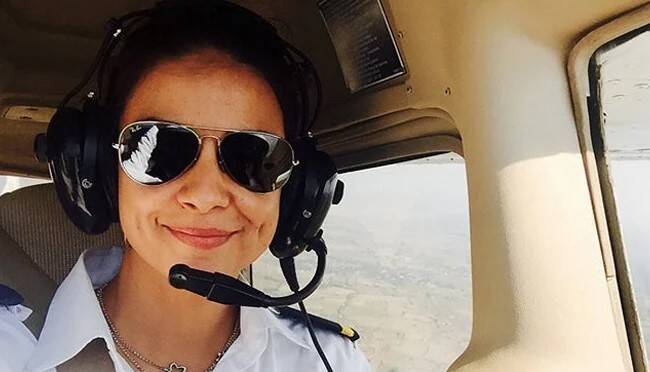
Real issue of safety & fatigue pushed to back burner: Actor-pilot Gul on IndiGo crisis
The recent chaos surrounding IndiGo’s cancellation of hundreds of flights has sent shockwaves throughout the aviation industry. The airline’s inability to comply with the new Flight Duty Time Limits (FDTL) rules has resulted in a significant disruption to their operations, leaving countless passengers stranded and frustrated. However, amidst all the chaos and confusion, a crucial aspect of the issue seems to have been overlooked: the safety and fatigue of pilots.
Gul Panag, a certified pilot and actress, took to social media to express her concerns about the narrative surrounding the IndiGo crisis. “Interesting how the narrative has been moved from safety and fatigue to chaos…The real issue, updated FDTL norms designed to protect lives, has been pushed to the back burner,” she wrote. Panag’s statement highlights the importance of prioritizing safety and fatigue in the aviation industry, particularly when it comes to pilots who are responsible for the lives of hundreds of passengers on board.
The new FDTL rules, which were introduced to reduce pilot fatigue and improve safety, have been a long time coming. The regulations, which dictate the maximum number of hours a pilot can fly without rest, are designed to prevent pilots from becoming overtired and compromising the safety of their passengers. However, IndiGo’s inability to comply with these rules has raised serious concerns about the airline’s commitment to safety.
Pilot fatigue is a serious issue that can have devastating consequences. When pilots are tired, their reaction times are slower, and their decision-making abilities are impaired. This can lead to mistakes, which can be catastrophic in the aviation industry. The International Air Transport Association (IATA) has recognized the importance of addressing pilot fatigue, stating that it is a critical safety issue that requires urgent attention.
Despite the importance of addressing pilot fatigue, the narrative surrounding the IndiGo crisis has focused largely on the chaos and disruption caused by the flight cancellations. While it is understandable that passengers are frustrated and inconvenienced, it is essential to remember that the safety of passengers is the top priority. The new FDTL rules are designed to protect lives, and any attempt to circumvent or ignore them is a serious concern.
The IndiGo crisis has also highlighted the need for greater transparency and accountability in the aviation industry. Passengers have the right to know that their safety is being prioritized, and that airlines are taking all necessary steps to ensure that their pilots are well-rested and alert. The lack of transparency surrounding IndiGo’s compliance with the FDTL rules has eroded trust in the airline and raised questions about their commitment to safety.
Gul Panag’s statement has sparked a necessary conversation about the importance of prioritizing safety and fatigue in the aviation industry. As a certified pilot, she understands the risks associated with pilot fatigue and the importance of adhering to safety regulations. Her comments have also highlighted the need for a more nuanced discussion about the IndiGo crisis, one that takes into account the complexities of the issue and the importance of prioritizing safety.
In conclusion, the real issue at the heart of the IndiGo crisis is not the chaos and disruption caused by the flight cancellations, but the safety and fatigue of pilots. The new FDTL rules are designed to protect lives, and any attempt to circumvent or ignore them is a serious concern. As the aviation industry continues to grapple with the challenges posed by the IndiGo crisis, it is essential to remember that safety must always be the top priority. The narrative surrounding the crisis must be shifted to focus on the importance of prioritizing safety and fatigue, rather than just the chaos and disruption caused by the flight cancellations.
As Gul Panag so eloquently put it, “The real issue, updated FDTL norms designed to protect lives, has been pushed to the back burner.” It is time to bring this issue back to the forefront and ensure that the safety and fatigue of pilots are prioritized. The lives of passengers depend on it.
About the Author