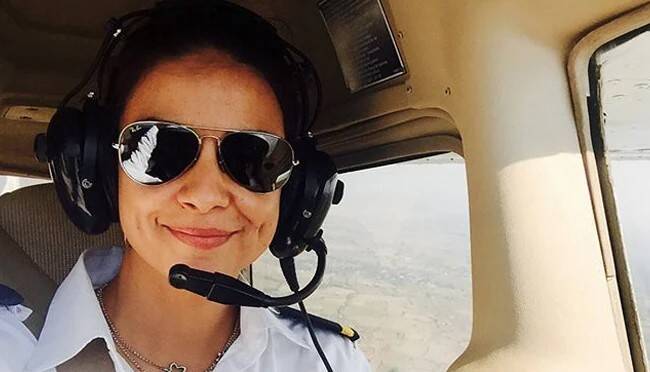
Real issue of safety & fatigue pushed to back burner: Actor-pilot Gul on IndiGo crisis
The Indian aviation industry has been embroiled in a crisis of sorts, with one of the country’s largest airlines, IndiGo, cancelling hundreds of flights in recent days. The reason behind this move is the airline’s inability to comply with new Flight Duty Time Limits (FDTL) rules, which have been implemented to ensure the safety and well-being of pilots and passengers alike. However, as the chaos surrounding the cancelled flights continues to unfold, actress and certified pilot Gul Panag has pointed out that the real issue at hand – safety and fatigue – has been pushed to the back burner.
In a recent social media post, Gul Panag expressed her concern over the narrative surrounding the IndiGo crisis, which has shifted from the critical issue of pilot fatigue and safety to the chaos caused by the cancelled flights. “Interesting how the narrative has been moved from safety and fatigue to chaos…The real issue, updated FDTL norms designed to protect lives, has been pushed to back burner,” she wrote. This statement highlights the importance of prioritizing safety and fatigue in the aviation industry, and how the current narrative is deflecting attention from these critical issues.
The new FDTL rules, which have been implemented by the Directorate General of Civil Aviation (DGCA), aim to reduce the number of hours pilots can fly in a day, as well as the number of consecutive days they can fly without rest. These rules are designed to prevent pilot fatigue, which is a major safety concern in the aviation industry. Fatigue can impair a pilot’s judgment, reaction time, and decision-making abilities, all of which are critical for ensuring the safe operation of an aircraft.
The cancellation of hundreds of flights by IndiGo has caused significant disruption to passengers, with many being left stranded or forced to make last-minute changes to their travel plans. While this is undoubtedly a frustrating situation for those affected, it is essential to remember that the root cause of the problem is the airline’s inability to comply with safety regulations. By prioritizing safety and fatigue, the DGCA is taking a proactive approach to preventing accidents and ensuring the well-being of pilots and passengers.
Gul Panag’s comments on the issue highlight the importance of maintaining a safe and healthy work environment for pilots. As a certified pilot herself, she is well aware of the demands and challenges of the job, and the need for adequate rest and recovery time to prevent fatigue. By speaking out on the issue, she is drawing attention to the critical role that safety and fatigue play in the aviation industry, and the need for airlines to prioritize these concerns.
The IndiGo crisis has also raised questions about the preparedness of airlines to comply with new safety regulations. The DGCA’s implementation of the new FDTL rules is a significant step forward in terms of ensuring pilot safety and reducing the risk of accidents. However, the fact that IndiGo has been unable to comply with these rules raises concerns about the airline’s ability to prioritize safety and fatigue.
In conclusion, the real issue at hand in the IndiGo crisis is not the chaos caused by cancelled flights, but rather the critical concern of safety and fatigue. The new FDTL rules are designed to protect lives, and it is essential that airlines prioritize these regulations and take proactive steps to prevent pilot fatigue. As Gul Panag has pointed out, the narrative surrounding the crisis has shifted away from the critical issue of safety and fatigue, and it is time to refocus attention on these concerns.
The Indian aviation industry has a responsibility to ensure the safety and well-being of pilots and passengers, and it is essential that airlines prioritize these concerns. By doing so, they can help prevent accidents, reduce the risk of pilot fatigue, and maintain a safe and healthy work environment for all stakeholders. As the industry continues to evolve and grow, it is critical that safety and fatigue remain at the forefront of the agenda, and that airlines take proactive steps to prioritize these concerns.
About the Author