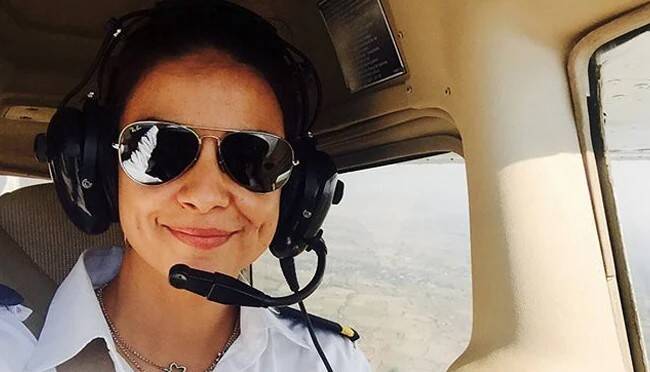
Real issue of safety & fatigue pushed to back burner: Actor-pilot Gul on IndiGo crisis
The recent chaos surrounding IndiGo’s cancellation of hundreds of flights has sparked a heated debate about the airline industry’s compliance with new regulations. Amidst the mayhem, actress and certified pilot Gul Panag has weighed in on the issue, highlighting the often-overlooked aspect of safety and fatigue in the aviation sector. In a thought-provoking post, Panag pointed out that the narrative has shifted from the critical concerns of safety and pilot fatigue to the more sensationalized aspect of chaos and disruption.
The controversy began when IndiGo, one of India’s largest airlines, was forced to cancel numerous flights due to its inability to comply with the new Flight Duty Time Limits (FDTL) rules. The FDTL regulations, designed to protect the lives of passengers and crew members, dictate the maximum number of hours a pilot can fly without adequate rest. The updated norms aim to prevent pilot fatigue, which is a significant contributor to aviation accidents.
However, as the news of the cancellations broke, the focus quickly shifted from the importance of safety and fatigue to the inconvenience caused to passengers. The media was filled with stories of stranded travelers, delayed flights, and the financial losses incurred by the airline. While these issues are undoubtedly significant, Panag argued that the real concern – the updated FDTL norms designed to protect lives – has been pushed to the back burner.
“Interesting how the narrative has been moved from safety and fatigue to chaos…The real issue, updated FDTL norms designed to protect lives, has been pushed to the back burner,” Panag wrote. Her statement highlights the tendency to overlook the critical aspect of safety in the face of more sensationalized news. By doing so, we risk undermining the very purpose of the regulations, which is to ensure the well-being of everyone involved in air travel.
The issue of pilot fatigue is a serious one, and its consequences can be devastating. Fatigue can impair a pilot’s judgment, reaction time, and decision-making abilities, all of which are critical components of safe flight operations. According to the International Air Transport Association (IATA), fatigue is a significant contributor to aviation accidents, with estimates suggesting that it is a factor in up to 20% of all accidents.
The updated FDTL rules are designed to mitigate this risk by ensuring that pilots receive adequate rest and recovery time between flights. The regulations take into account factors such as the number of hours flown, the time of day, and the duration of rest periods. By complying with these rules, airlines can significantly reduce the risk of accidents caused by pilot fatigue.
However, the implementation of these regulations is not without its challenges. Airlines must balance the need to comply with the new rules with the pressure to maintain their schedules and minimize disruptions. This can be a complex and costly process, requiring significant investments in crew management, training, and infrastructure.
In the case of IndiGo, the airline’s inability to comply with the new FDTL rules has resulted in the cancellation of hundreds of flights, leaving thousands of passengers stranded. While the airline has apologized for the inconvenience caused, the incident highlights the need for a more nuanced approach to safety and fatigue in the aviation sector.
As Panag pointed out, the narrative surrounding the IndiGo crisis has been dominated by stories of chaos and disruption, rather than the critical issue of safety and fatigue. By shifting the focus away from the real concern, we risk undermining the importance of these regulations and the role they play in protecting lives.
In conclusion, the recent controversy surrounding IndiGo’s compliance with the new FDTL rules highlights the need for a more balanced approach to safety and fatigue in the aviation sector. While the inconvenience caused to passengers is undoubtedly significant, it is essential to remember that the updated FDTL norms are designed to protect lives. As actress and certified pilot Gul Panag so aptly put it, the real issue of safety and fatigue has been pushed to the back burner, and it is time to bring it back to the forefront of the conversation.
About the Author