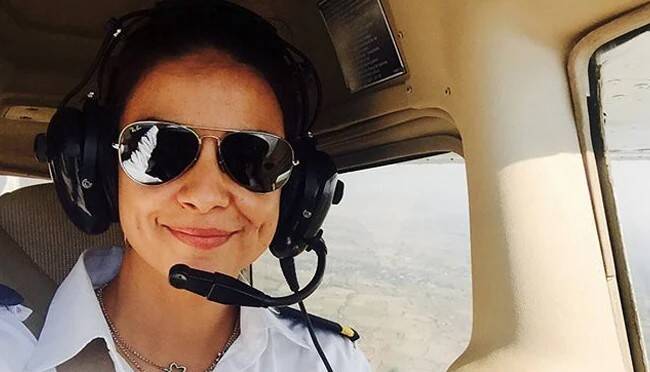
Real issue of safety & fatigue pushed to back burner: Actor-pilot Gul on IndiGo crisis
The Indian aviation industry has been embroiled in a fresh controversy, with one of the country’s largest airlines, IndiGo, cancelling hundreds of flights over its inability to comply with new Flight Duty Time Limits (FDTL) rules. The move has led to chaos among passengers, with many taking to social media to express their frustration and disappointment. However, amidst the chaos, a crucial aspect of the issue seems to have been overlooked – the safety and well-being of the pilots and crew members.
Actress Gul Panag, who is also a certified pilot, took to social media to express her concerns about the narrative surrounding the IndiGo crisis. “Interesting how the narrative has been moved from safety and fatigue to chaos…The real issue, updated FDTL norms designed to protect lives, has been pushed to back burner,” she wrote. Panag’s comment highlights the importance of prioritizing safety and fatigue in the aviation industry, and how the current discourse has shifted focus away from these critical issues.
The new FDTL rules, which were introduced to reduce pilot fatigue and improve safety, have been a long time coming. The rules dictate the maximum number of hours a pilot can fly, as well as the minimum rest period required between flights. The regulations are designed to prevent pilot fatigue, which is a major contributor to accidents and errors in the aviation industry. By limiting the number of hours a pilot can fly, the rules aim to reduce the risk of accidents caused by tired pilots.
However, the implementation of these rules has been met with resistance from some airlines, including IndiGo. The airline has argued that the new rules will lead to a shortage of pilots and disrupt their operations. While these concerns are valid, they should not come at the cost of safety and fatigue. The safety of passengers and crew members should always be the top priority, and any measures that compromise this should be avoided.
The issue of pilot fatigue is a serious one, and it is not limited to India. Airlines around the world have struggled with the problem of tired pilots, and it has been linked to several high-profile accidents. In 2013, a study by the International Air Transport Association (IATA) found that pilot fatigue was a major contributor to accidents, with 20% of all accidents attributed to tired pilots. The study also found that the risk of accidents increased exponentially when pilots were flying on minimal rest.
In India, the problem of pilot fatigue is particularly acute. The country’s aviation industry has experienced rapid growth in recent years, with the number of passengers and flights increasing exponentially. This has put a strain on the system, with pilots and crew members working long hours to keep up with demand. The new FDTL rules are designed to address this issue, by limiting the number of hours pilots can fly and ensuring they get adequate rest.
However, the implementation of these rules has been patchy, with some airlines resisting the changes. IndiGo’s decision to cancel hundreds of flights rather than comply with the new rules has highlighted the need for stricter enforcement. The airline’s actions have also raised questions about its commitment to safety and fatigue, and whether it is prioritizing profits over people.
Gul Panag’s comment has sparked a debate about the importance of safety and fatigue in the aviation industry. While the chaos caused by IndiGo’s flight cancellations is undeniable, it is essential to remember that the new FDTL rules are designed to protect lives. The rules are not just about regulating the number of hours pilots can fly, but also about ensuring that they are well-rested and alert when they are in the cockpit.
In conclusion, the controversy surrounding IndiGo’s flight cancellations has highlighted the need for a more nuanced discussion about safety and fatigue in the aviation industry. While the chaos caused by the cancellations is undeniable, it is essential to remember that the new FDTL rules are designed to protect lives. The issue of pilot fatigue is a serious one, and it requires a comprehensive solution that prioritizes safety and well-being. As Gul Panag so aptly put it, the real issue of safety and fatigue has been pushed to the back burner, and it is time to bring it back to the forefront of the discussion.
About the Author