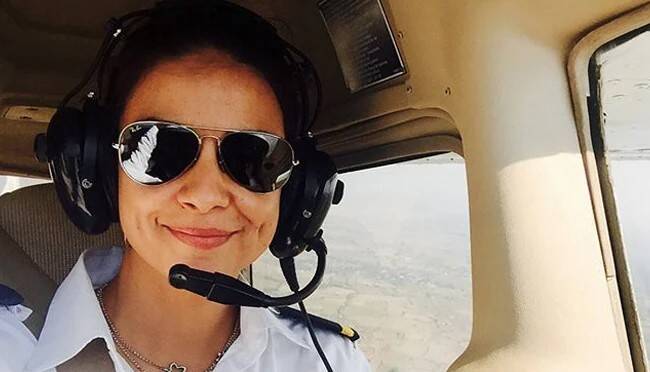
Real issue of safety & fatigue pushed to back burner: Actor-pilot Gul on IndiGo crisis
The recent chaos surrounding IndiGo’s cancellation of hundreds of flights has sparked a heated debate about the airline industry’s priorities. Amidst the turmoil, actress and certified pilot Gul Panag has shed light on a crucial aspect that seems to have been overlooked: the safety and fatigue of pilots. In a thought-provoking post, Panag highlighted how the narrative has shifted from the real issue at hand – the updated Flight Duty Time Limits (FDTL) rules designed to protect lives – to the chaos caused by the flight cancellations.
For those unfamiliar with the FDTL rules, they are regulations that dictate the maximum number of hours a pilot can fly without rest. These rules are in place to prevent pilot fatigue, which can have catastrophic consequences. The updated norms, which IndiGo has been struggling to comply with, aim to reduce the risk of accidents caused by exhausted pilots. However, instead of focusing on the importance of these regulations, the conversation has been dominated by the inconvenience caused to passengers and the financial losses incurred by the airline.
Gul Panag, who is not only an accomplished actress but also a licensed pilot, brought attention to this critical issue. “Interesting how the narrative has been moved from safety and fatigue to chaos…The real issue, updated FDTL norms designed to protect lives, has been pushed to back burner,” she wrote. Her statement underscores the need to prioritize pilot safety and fatigue, which is often overlooked in the pursuit of efficiency and profit.
The FDTL rules are not just arbitrary regulations; they are based on scientific research and data that demonstrate the risks of pilot fatigue. Studies have shown that fatigue can impair a pilot’s judgment, reaction time, and decision-making abilities, all of which are critical components of safe flight operations. By reducing the number of hours a pilot can fly without rest, the updated FDTL norms aim to minimize the risk of accidents caused by exhausted pilots.
However, the implementation of these rules has been met with resistance from some airlines, including IndiGo. The airline’s inability to comply with the new regulations has resulted in the cancellation of hundreds of flights, leaving passengers stranded and frustrated. While the chaos caused by these cancellations is undeniable, it is essential to remember that the updated FDTL norms are in place to protect lives.
Gul Panag’s statement serves as a reminder that the safety of pilots and passengers should be the top priority in the airline industry. By pushing the issue of safety and fatigue to the back burner, we risk compromising the very foundation of the industry. The consequences of pilot fatigue can be devastating, and it is crucial that we prioritize the well-being of pilots and the safety of passengers.
In recent years, there have been several incidents of pilot fatigue that have highlighted the need for stricter regulations. In 2019, a report by the International Air Transport Association (IATA) found that pilot fatigue was a significant concern in the airline industry, with many pilots reporting that they felt tired or fatigued during flights. The report emphasized the need for airlines to prioritize pilot safety and fatigue, and to implement measures to reduce the risk of accidents caused by exhausted pilots.
The updated FDTL norms are a step in the right direction, but their implementation requires a fundamental shift in the way airlines approach pilot safety and fatigue. It requires a commitment to prioritizing the well-being of pilots and the safety of passengers, even if it means reducing the number of flights or increasing costs. Anything less would be a compromise on safety, and a gamble with the lives of innocent people.
In conclusion, the recent chaos surrounding IndiGo’s flight cancellations has highlighted the need to prioritize pilot safety and fatigue in the airline industry. Gul Panag’s statement serves as a reminder that the updated FDTL norms are in place to protect lives, and that the real issue at hand is not the chaos caused by flight cancellations, but the safety and fatigue of pilots. As we move forward, it is essential that we prioritize the well-being of pilots and the safety of passengers, and that we recognize the importance of stricter regulations to prevent accidents caused by exhausted pilots.
About the Author