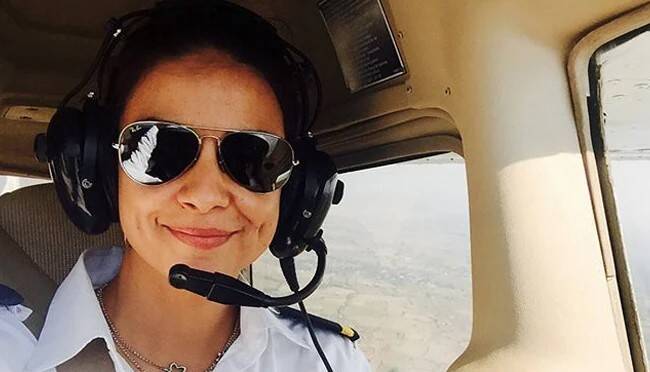
Real issue of safety & fatigue pushed to back burner: Actor-pilot Gul on IndiGo crisis
The recent chaos surrounding IndiGo’s cancellation of hundreds of flights has sent shockwaves throughout the aviation industry. The crisis, which was triggered by the airline’s inability to comply with new Flight Duty Time Limits (FDTL) rules, has raised concerns about the safety and wellbeing of pilots and passengers alike. Amidst the turmoil, actress and certified pilot Gul Panag has spoken out, highlighting the real issue that has been pushed to the back burner: the safety and fatigue of pilots.
In a recent social media post, Panag expressed her concern about the narrative surrounding the IndiGo crisis. “Interesting how the narrative has been moved from safety and fatigue to chaos,” she wrote. “The real issue, updated FDTL norms designed to protect lives, has been pushed to back burner.” Panag’s statement sheds light on the often-overlooked aspect of aviation safety: the importance of managing pilot fatigue.
The new FDTL rules, which were introduced to reduce pilot fatigue and improve safety, have been a long time coming. The regulations, which dictate the maximum number of hours a pilot can fly without rest, are designed to prevent pilots from becoming overly tired and compromising the safety of their passengers. However, IndiGo’s inability to comply with these rules has raised questions about the airline’s prioritization of safety and the wellbeing of its pilots.
Panag, who is not only an actress but also a certified pilot, understands the importance of managing pilot fatigue. As someone who has experienced the demands of flying firsthand, she knows that pilot fatigue is a serious issue that can have devastating consequences. “Pilot fatigue is a real concern,” she said. “It can affect a pilot’s ability to make quick decisions, react to emergencies, and maintain focus during long flights.”
The consequences of pilot fatigue can be catastrophic. In 2010, a Colgan Air flight crashed near Buffalo, New York, killing all 49 people on board. The investigation into the crash revealed that the pilots had been suffering from fatigue, which had impaired their ability to respond to the emergency. Similarly, in 2013, a Asiana Airlines flight crashed while attempting to land in San Francisco, killing three people. The investigation into the crash found that the pilots had been suffering from fatigue, which had contributed to the accident.
Despite these tragic incidents, pilot fatigue remains a persistent problem in the aviation industry. Many airlines, including IndiGo, have been accused of prioritizing profits over safety and ignoring the needs of their pilots. The recent crisis surrounding IndiGo’s cancellation of flights is a stark reminder of the consequences of neglecting pilot safety and wellbeing.
So, what can be done to address the issue of pilot fatigue? Firstly, airlines must prioritize the safety and wellbeing of their pilots. This means providing adequate rest periods, ensuring that pilots are not overworked, and creating a culture that encourages pilots to speak out about fatigue. Additionally, regulators must enforce strict FDTL rules and hold airlines accountable for non-compliance.
Furthermore, the aviation industry must work to reduce the stigma surrounding pilot fatigue. Many pilots are reluctant to report fatigue due to fear of being seen as weak or unable to handle the demands of the job. This culture of silence must be broken, and pilots must be encouraged to speak out about their concerns without fear of reprisal.
In conclusion, the recent IndiGo crisis has highlighted the importance of prioritizing pilot safety and wellbeing. The new FDTL rules, which are designed to reduce pilot fatigue and improve safety, are a step in the right direction. However, more needs to be done to address the root causes of pilot fatigue and ensure that airlines are held accountable for their safety records. As Gul Panag so aptly put it, the real issue of safety and fatigue must not be pushed to the back burner. Instead, it must be prioritized and addressed through a combination of regulatory enforcement, industry-wide reforms, and a cultural shift that values the safety and wellbeing of pilots and passengers alike.
About the Author