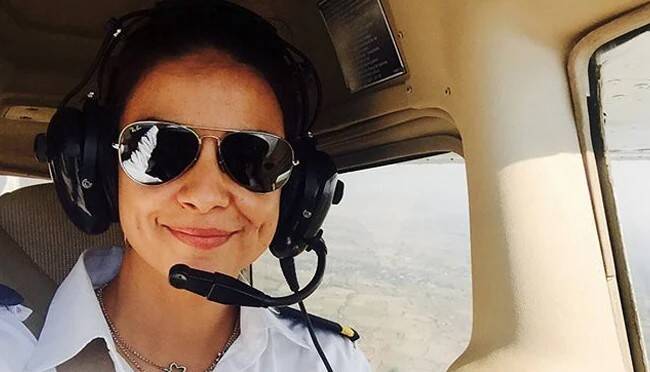
Real issue of safety & fatigue pushed to back burner: Actor-pilot Gul on IndiGo crisis
The recent chaos caused by the cancellation of hundreds of flights by IndiGo, one of India’s largest airlines, has sent shockwaves throughout the country. The airline’s inability to comply with the new Flight Duty Time Limits (FDTL) rules has resulted in a massive disruption of flight schedules, leaving thousands of passengers stranded. Amidst the chaos, actress and certified pilot Gul Panag took to social media to express her concerns about the real issue at hand – safety and fatigue.
In a thought-provoking post, Gul Panag pointed out that the narrative has been shifted from the crucial issue of safety and fatigue to the chaos caused by the flight cancellations. “Interesting how the narrative has been moved from safety and fatigue to chaos…The real issue, updated FDTL norms designed to protect lives, has been pushed to back burner,” she wrote. Her statement highlights the importance of prioritizing safety and fatigue in the aviation industry, and how the recent crisis has diverted attention from these critical concerns.
The new FDTL rules, which came into effect recently, are designed to protect the lives of passengers and crew members by ensuring that pilots are not overworked and fatigued. The rules dictate the maximum number of hours a pilot can fly, as well as the minimum rest periods required between flights. These regulations are crucial in preventing pilot fatigue, which can have devastating consequences, including accidents and loss of life.
However, the implementation of these new rules has been met with resistance from some airlines, including IndiGo. The airline’s inability to comply with the new regulations has resulted in the cancellation of hundreds of flights, causing chaos and disruption to the travel plans of thousands of passengers. While the airline has apologized for the inconvenience caused, the real issue of safety and fatigue remains unaddressed.
Gul Panag’s statement highlights the need to prioritize safety and fatigue in the aviation industry. As a certified pilot herself, she understands the importance of these regulations and the risks associated with pilot fatigue. Her concerns are not just limited to the recent crisis, but also to the broader issue of safety in the aviation industry.
The aviation industry is a complex and highly regulated sector, where safety is paramount. The implementation of FDTL rules is a critical step towards ensuring that pilots are not overworked and fatigued, which can have serious consequences. However, the recent crisis has shown that some airlines are still not taking these regulations seriously, and are prioritizing profits over safety.
The IndiGo crisis has also raised questions about the regulatory framework in place to ensure compliance with safety regulations. The Directorate General of Civil Aviation (DGCA) has been criticized for not taking adequate measures to ensure that airlines comply with the new FDTL rules. The regulatory body has been accused of being lenient towards airlines, which has resulted in a lack of adherence to safety regulations.
In conclusion, the recent crisis caused by the cancellation of flights by IndiGo has highlighted the need to prioritize safety and fatigue in the aviation industry. The new FDTL rules are designed to protect lives, and it is essential that airlines comply with these regulations. Gul Panag’s statement has brought attention to the real issue at hand, which is the need to prioritize safety and fatigue over profits. The aviation industry must take a proactive approach to ensure that safety regulations are complied with, and that pilots are not overworked and fatigued.
As the industry moves forward, it is essential that the regulatory framework is strengthened to ensure compliance with safety regulations. The DGCA must take a more proactive approach to ensure that airlines adhere to the new FDTL rules, and that pilots are not overworked and fatigued. The safety of passengers and crew members must be the top priority, and any compromise on this front is unacceptable.
In the end, the recent crisis has highlighted the need for a more robust regulatory framework and a greater emphasis on safety and fatigue in the aviation industry. As Gul Panag pointed out, the real issue of safety and fatigue has been pushed to the back burner, and it is time to bring it back to the forefront. The industry must prioritize safety and fatigue, and ensure that pilots are not overworked and fatigued. Only then can we ensure that the aviation industry is safe and secure for all.
About the Author