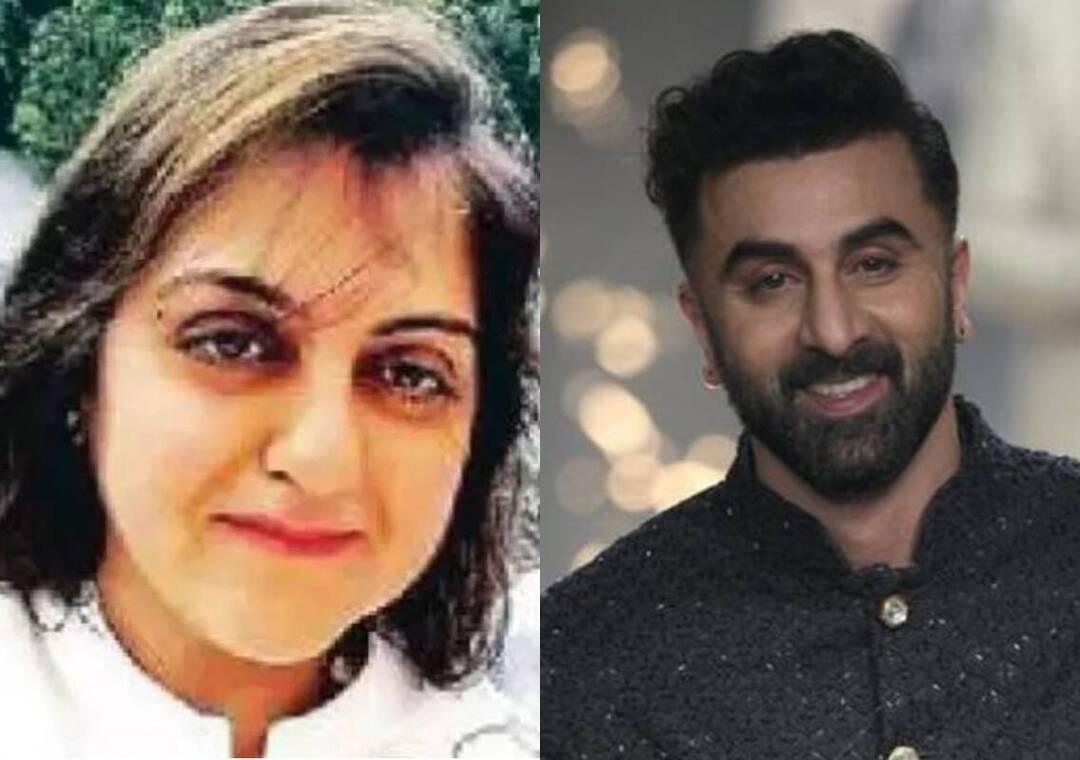
Ranbir was sued in 2018 for ₹50 lakh by woman arrested in land scam involving Ajit Pawar’s son
In a shocking turn of events, it has come to light that Bollywood actor Ranbir Kapoor was sued in 2018 for ₹50.4 lakh by Shital Tejwani, a woman who has been arrested in connection with the Mundhwa land scam involving Maharashtra Deputy CM Ajit Pawar’s son Parth. This revelation was made by RTI activist Vijay Kumbhar, who has been following the case closely. According to Kumbhar, Tejwani had rented a flat in Pune’s Trump Towers, which is owned by Ranbir Kapoor, and was allegedly evicted before the lock-in period.
The case, which was filed in 2018, is still ongoing, with the next hearing scheduled for January 2026. The details of the case are intriguing, and it is surprising that it did not come to light earlier. Tejwani, who has been accused of being involved in the Mundhwa land scam, had apparently rented the flat in Trump Towers, a luxury residential complex in Pune, from Ranbir Kapoor. However, she was evicted from the flat before the lock-in period, which led to a dispute between the two parties.
The lock-in period is a common clause in rental agreements, which stipulates that the tenant cannot vacate the premises before a certain period of time. In this case, it appears that Tejwani was evicted before this period, which led to a dispute over the payment of rent and other charges. Ranbir Kapoor, or his representatives, apparently asked Tejwani to pay ₹50.4 lakh, which she refused to do, leading to the filing of the case.
The case is significant not only because of the involvement of a high-profile celebrity like Ranbir Kapoor but also because of the connection to the Mundhwa land scam. The scam, which involves the alleged misuse of power by Ajit Pawar’s son Parth, has been making headlines in recent times. The arrest of Tejwani, who is accused of being involved in the scam, has added a new dimension to the case.
RTI activist Vijay Kumbhar, who has been following the case, has claimed that the lawsuit filed by Tejwani against Ranbir Kapoor is a significant development in the case. Kumbhar has been using the Right to Information (RTI) Act to uncover details about the case and has been sharing his findings with the media. According to Kumbhar, the lawsuit filed by Tejwani is just one aspect of the larger scam, which involves several high-profile individuals and corporations.
The Mundhwa land scam has been making headlines in recent times, with allegations of corruption and misuse of power being leveled against several individuals, including Ajit Pawar’s son Parth. The scam involves the alleged misuse of land in the Mundhwa area of Pune, which has been allocated for various projects. The allegations are that several individuals, including politicians and businessmen, have colluded to misuse the land for personal gain.
The arrest of Tejwani, who is accused of being involved in the scam, has added a new dimension to the case. Tejwani’s lawsuit against Ranbir Kapoor, which was filed in 2018, is just one aspect of the larger case. The lawsuit, which is still ongoing, has raised questions about the involvement of celebrities in business deals and the potential risks involved.
The case also raises questions about the use of the RTI Act to uncover details about high-profile cases. Kumbhar’s use of the RTI Act to uncover details about the case has been significant, and his findings have been widely reported in the media. The case highlights the importance of the RTI Act in promoting transparency and accountability in governance.
In conclusion, the lawsuit filed by Tejwani against Ranbir Kapoor is a significant development in the Mundhwa land scam case. The case, which involves allegations of corruption and misuse of power, has been making headlines in recent times. The involvement of a high-profile celebrity like Ranbir Kapoor has added a new dimension to the case, and the use of the RTI Act to uncover details about the case has been significant. As the case continues to unfold, it will be interesting to see how the developments play out.
About the Author