Congrats on views: Dhurandhar actor Naveen on Dhruv Rathee review
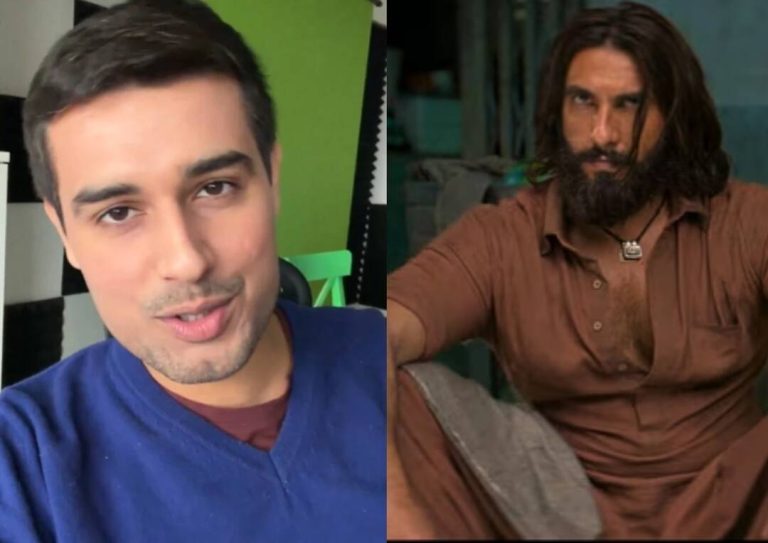
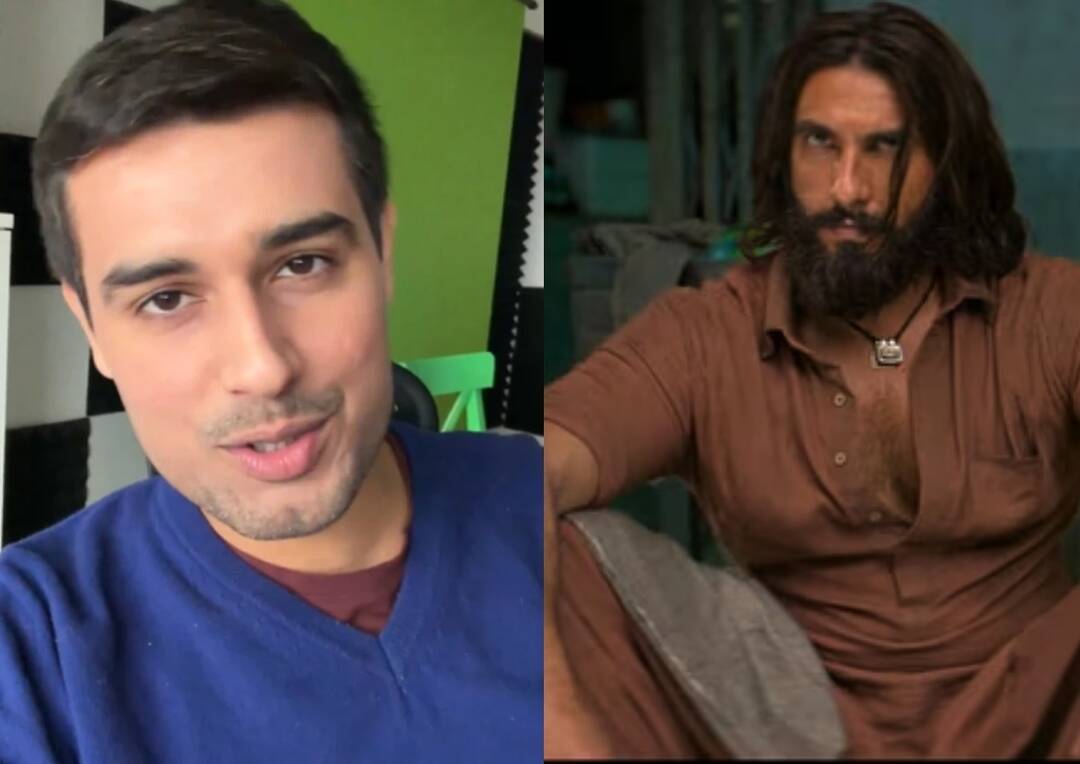
The world of Bollywood is no stranger to controversy, and the latest film to stir up a storm is Dhurandhar. The movie has been making headlines for its alleged spread of “false propaganda,” and one of the most vocal critics of the film is YouTuber Dhruv Rathee. In a recent interview, Dhurandhar actor Naveen Kaushik, who played the role of Donga, responded to Rathee’s criticism, sparking a heated debate about the film’s intentions and the power of social media.
For those who may be unfamiliar, Dhruv Rathee is a popular YouTuber known for his opinionated videos on various topics, including politics and social issues. He recently released a video criticizing Dhurandhar, calling it a film that spreads “false propaganda” and labeling its director, Aditya Dhar, a “propagandist.” Rathee’s video sparked a heated debate, with some agreeing with his views and others defending the film.
Naveen Kaushik, who is associated with the film, was asked about Rathee’s criticism in a recent interview. The actor responded by saying, “He’s an opinionated person. I’m associated with the film, I don’t agree with him. He got some views because of us, congratulations.” Kaushik’s statement suggests that he believes Rathee’s criticism was motivated by a desire for attention and views, rather than a genuine concern for the film’s content.
Kaushik’s response has sparked a debate about the role of social media influencers and critics in shaping public opinion. While some argue that Rathee’s criticism is a legitimate expression of his opinions, others see it as an attempt to garner attention and clicks. The fact that Rathee’s video has generated a significant amount of views and engagement suggests that his criticism has struck a chord with some audiences.
However, it’s also important to consider the context in which Rathee’s criticism was made. Dhurandhar has been accused of spreading “false propaganda” and promoting a particular ideology. If these accusations are true, then Rathee’s criticism can be seen as a necessary corrective to the film’s alleged biases. On the other hand, if the film is simply a work of fiction that explores complex themes and ideas, then Rathee’s criticism can be seen as an overreaction.
The debate surrounding Dhurandhar and Rathee’s criticism also raises questions about the power of social media in shaping public discourse. Social media platforms like YouTube and Twitter have given individuals like Rathee a massive audience and a platform to express their opinions. While this can be a powerful tool for promoting critical thinking and debate, it can also be used to spread misinformation and propaganda.
In the case of Dhurandhar, the film’s director, Aditya Dhar, has been accused of promoting a particular ideology through his work. Rathee’s criticism of the film has been seen by some as a necessary challenge to Dhar’s alleged biases. However, others have defended Dhar, arguing that his film is a work of fiction that explores complex themes and ideas.
The controversy surrounding Dhurandhar and Rathee’s criticism is a complex one, with multiple perspectives and opinions at play. While some see Rathee’s criticism as a legitimate expression of his opinions, others view it as an attempt to garner attention and clicks. Ultimately, the debate surrounding the film and its alleged biases will continue to rage on, with social media playing a major role in shaping public discourse.
As the debate surrounding Dhurandhar and Rathee’s criticism continues, it’s essential to consider the broader implications of social media on public discourse. While social media platforms have given individuals a powerful tool for expressing their opinions and promoting critical thinking, they can also be used to spread misinformation and propaganda. It’s up to audiences to critically evaluate the information they consume online and to engage in respectful and constructive debates about the issues that matter.
In conclusion, the controversy surrounding Dhurandhar and Rathee’s criticism is a complex one, with multiple perspectives and opinions at play. While some see Rathee’s criticism as a legitimate expression of his opinions, others view it as an attempt to garner attention and clicks. As the debate continues to rage on, it’s essential to consider the broader implications of social media on public discourse and to engage in respectful and constructive debates about the issues that matter.
About the Author