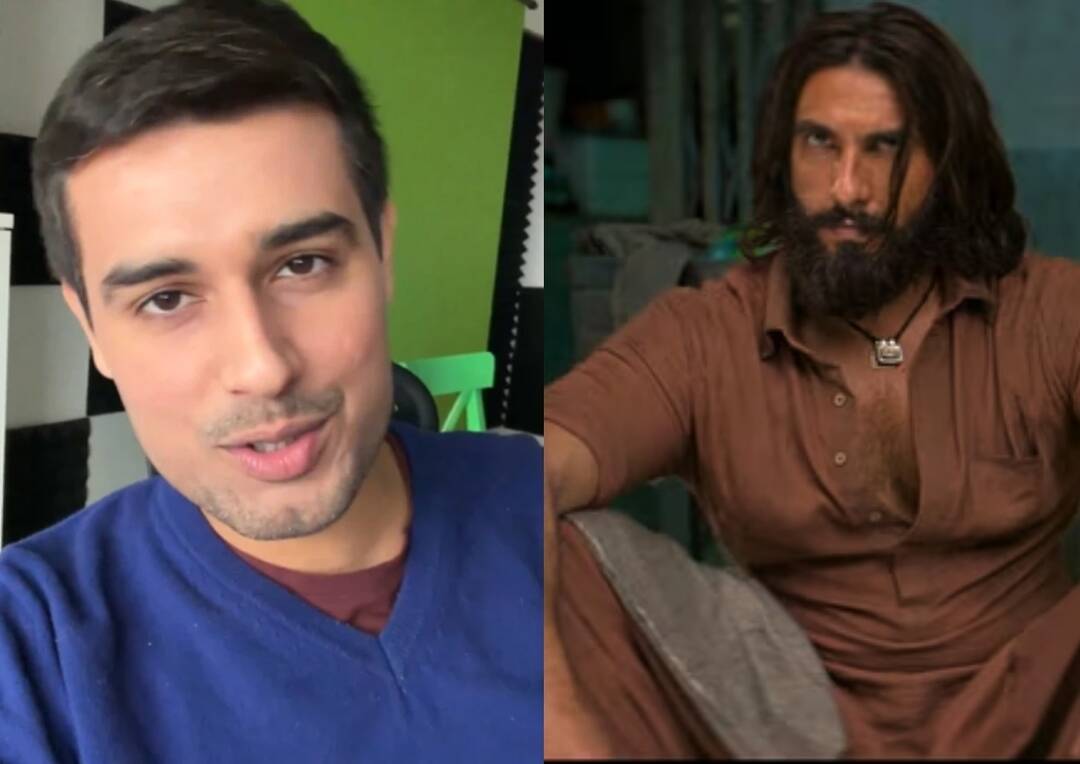
Congrats on views: Dhurandhar actor Naveen on Dhruv Rathee review
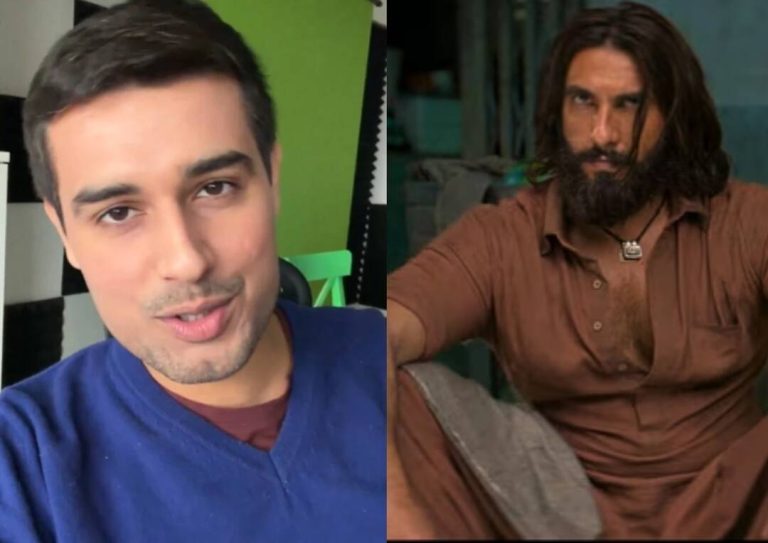
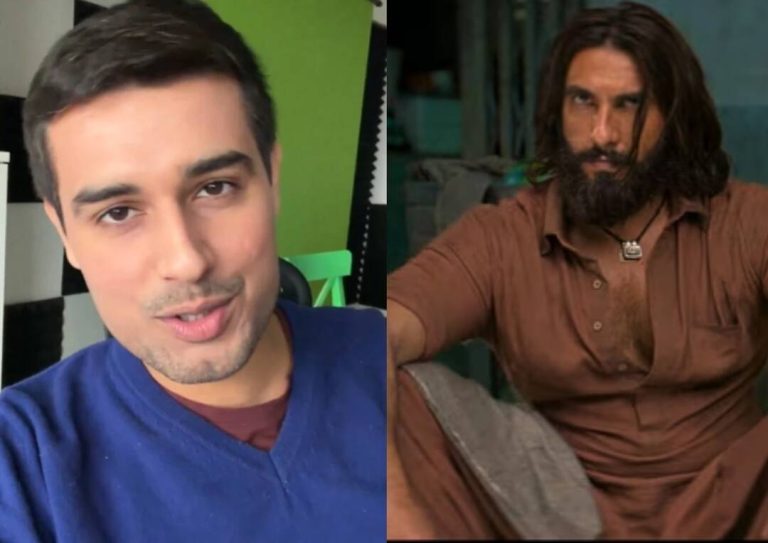
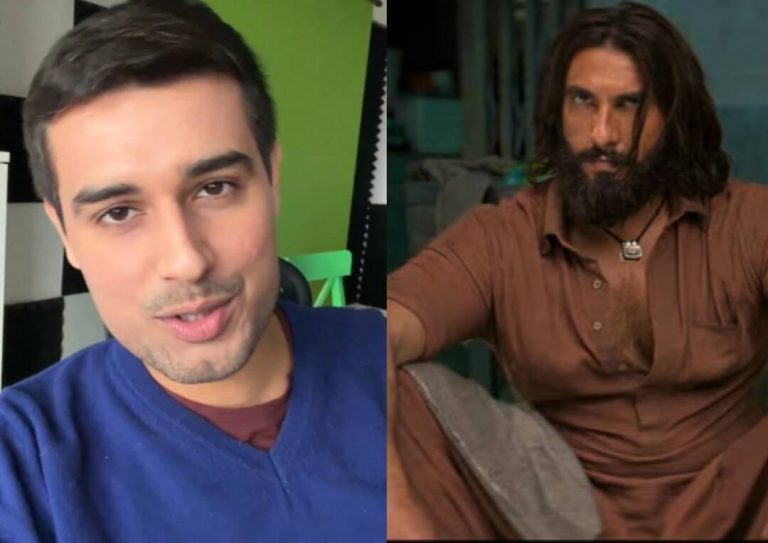
The world of cinema is no stranger to controversy, and the latest film to stir up a storm is Dhurandhar. The movie has been making headlines for its allegedly divisive content, with some critics accusing it of spreading “false propaganda.” One such critic is popular YouTuber Dhruv Rathee, who recently slammed the film in one of his videos. However, his criticism has not gone unchallenged, with Dhurandhar actor Naveen Kaushik, who plays the role of Donga, hitting back at Rathee’s comments.
In a recent interview, Kaushik responded to Rathee’s criticism, stating, “He’s an opinionated person. I’m associated with the film, I don’t agree with him. He got some views because of us, congratulations.” These comments are a clear indication that the team behind Dhurandhar is not taking Rathee’s criticism lying down. By suggesting that Rathee’s video gained views only because of the film’s popularity, Kaushik is implying that the YouTuber is trying to piggyback on the movie’s success to gain attention for himself.
Rathee’s video, which has been making the rounds on social media, accuses the film of spreading “false propaganda” and labels the director, Aditya Dhar, as a “propagandist.” These are serious allegations, and it’s no surprise that the team behind Dhurandhar is pushing back against them. However, it’s worth noting that Rathee is not the only one who has criticized the film. Several other critics and commentators have also accused Dhurandhar of promoting a divisive agenda, which has sparked a heated debate about the role of cinema in shaping public opinion.
The controversy surrounding Dhurandhar is not an isolated incident. In recent years, several Bollywood films have been accused of promoting “false propaganda” or pushing a particular ideological agenda. Films like The Kashmir Files and Uri: The Surgical Strike have been criticized for their alleged bias and for promoting a nationalist agenda. While some critics argue that these films are guilty of spreading hate and intolerance, others see them as patriotic and necessary for promoting national pride.
The debate around Dhurandhar is a complex one, with both sides presenting valid arguments. On the one hand, it’s true that cinema has the power to shape public opinion and influence cultural narratives. Films can be a powerful tool for promoting social change and challenging dominant ideologies. However, they can also be used to spread hate and intolerance, which can have serious consequences for marginalized communities.
In the case of Dhurandhar, it’s clear that the film has struck a chord with some viewers, who see it as a patriotic and necessary film. However, others have criticized it for its allegedly divisive content, which they claim promotes a particular ideological agenda. As the debate around the film continues to rage on, it’s worth asking what role cinema should play in shaping public opinion and promoting social change.
Ultimately, the controversy surrounding Dhurandhar is a reminder that cinema is a powerful medium that can shape cultural narratives and influence public opinion. While it’s true that films can be used to promote hate and intolerance, they can also be used to challenge dominant ideologies and promote social change. As the team behind Dhurandhar continues to push back against criticism, it’s worth considering the impact that cinema can have on our society and the responsibility that filmmakers have to promote positive and inclusive messages.
In conclusion, the controversy surrounding Dhurandhar is a complex and multifaceted one, with both sides presenting valid arguments. While some critics accuse the film of spreading “false propaganda,” others see it as a patriotic and necessary film. As the debate continues to rage on, it’s worth considering the role that cinema should play in shaping public opinion and promoting social change. By engaging with these complex issues and promoting positive and inclusive messages, filmmakers can help to create a more just and equitable society.
About the Author