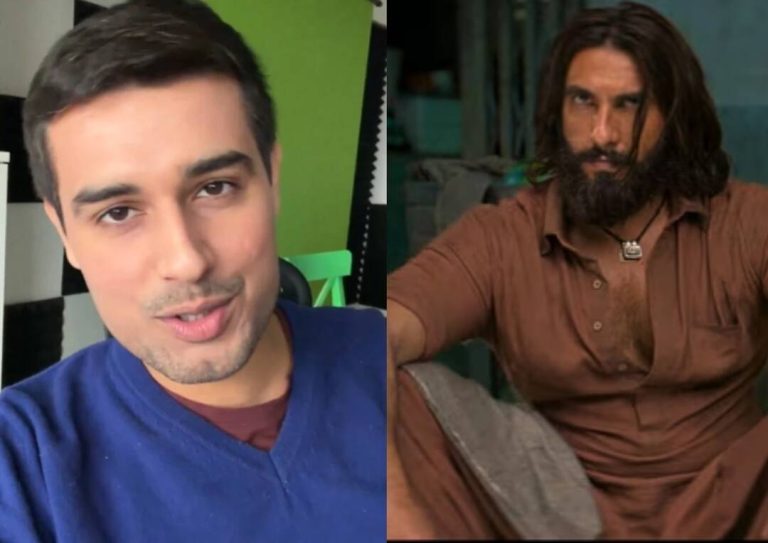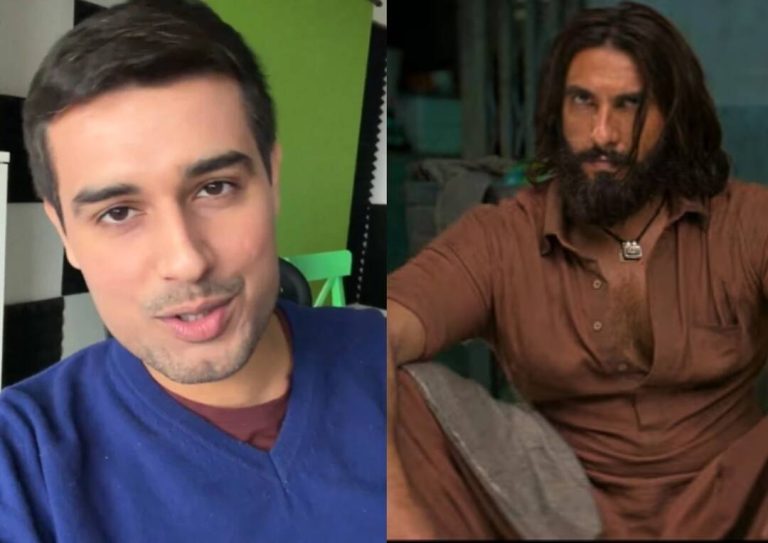
Congrats on views: Dhurandhar actor Naveen on Dhruv Rathee review
The world of Bollywood is no stranger to controversy, and the latest film to be embroiled in a heated debate is Aditya Dhar’s ‘Dhurandhar’. The film has been making waves since its release, with many praising its cinematic grandeur and others criticizing its perceived propagandistic tone. One of the most vocal critics of the film has been YouTuber Dhruv Rathee, who recently released a video slamming the film for spreading “false propaganda” and labeling Aditya Dhar a “propagandist”.
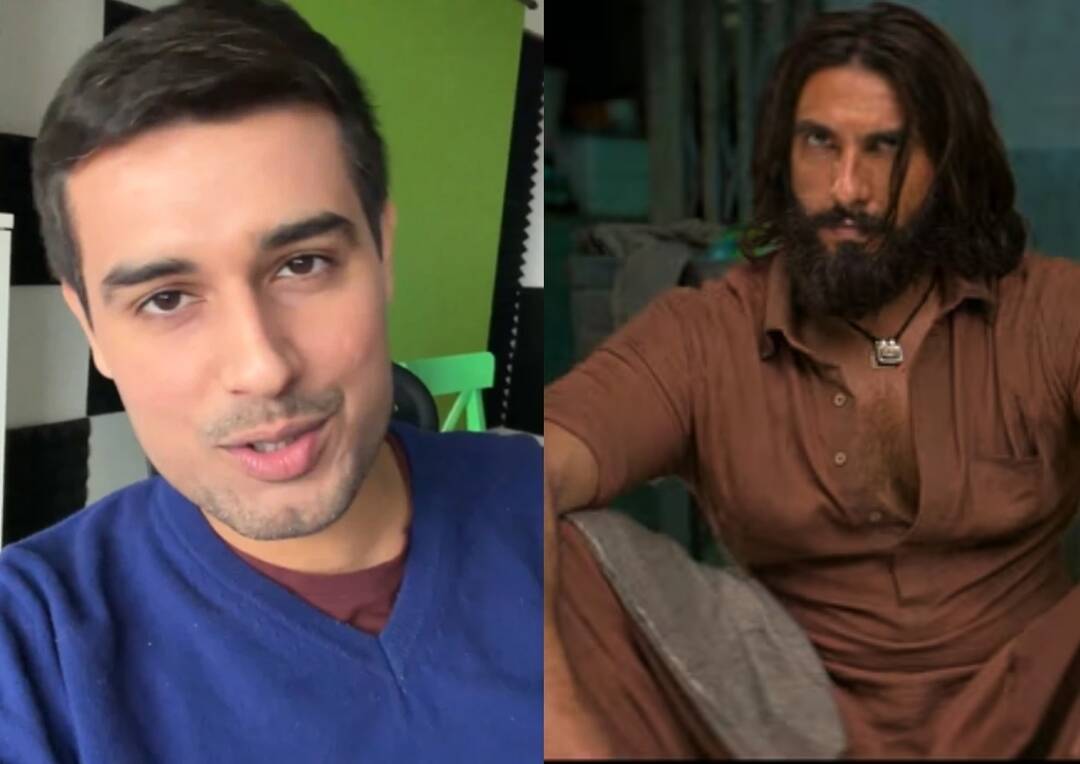
However, not everyone associated with the film is taking Rathee’s criticism lying down. In a recent interview, Naveen Kaushik, who plays the role of ‘Donga’ in the film, responded to Rathee’s criticism, saying, “He’s an opinionated person. I’m associated with the film, I don’t agree with him. He got some views because of us, congratulations.” This statement has sparked a fresh round of debate, with many weighing in on the merits of Rathee’s criticism and the film’s perceived propagandistic tone.
For those who may be unfamiliar, Dhruv Rathee is a popular YouTuber known for his incisive commentary on Indian politics and social issues. His videos often garner millions of views, and his opinions are widely respected and debated. In his recent video on ‘Dhurandhar’, Rathee argued that the film is part of a larger trend of Bollywood films that peddle false propaganda and promote a particular ideology. He specifically criticized Aditya Dhar, the director of ‘Dhurandhar’, for his perceived biases and for using the film as a vehicle for promoting his own ideology.
Rathee’s criticism of ‘Dhurandhar’ is not isolated, and many others have also raised concerns about the film’s perceived propagandistic tone. Some have argued that the film presents a skewed view of history, glossing over certain facts and emphasizing others to promote a particular narrative. Others have criticized the film’s portrayal of certain communities, arguing that it perpetuates negative stereotypes and reinforces harmful prejudices.
However, not everyone agrees with Rathee’s assessment of the film. Many have come to the defense of ‘Dhurandhar’, arguing that it is a well-made film that tells an important story. They point out that the film’s director, Aditya Dhar, is a talented filmmaker who has a right to express his opinions and tell the stories he wants to tell. They also argue that the film’s perceived propagandistic tone is a matter of interpretation, and that different people may have different opinions about the film’s message and themes.
Naveen Kaushik’s response to Rathee’s criticism is significant, as it highlights the complexities of the debate surrounding ‘Dhurandhar’. By saying that Rathee “got some views because of us, congratulations”, Kaushik is implying that Rathee’s criticism of the film is motivated by a desire for attention and views, rather than a genuine concern for the film’s perceived propagandistic tone. This statement has sparked a fresh round of debate, with many weighing in on the merits of Rathee’s criticism and the film’s perceived propagandistic tone.
Ultimately, the debate surrounding ‘Dhurandhar’ is a complex and multifaceted one, with different people having different opinions about the film’s message and themes. While some may see the film as a well-made and important story, others may view it as a vehicle for promoting false propaganda and perpetuating negative stereotypes. As the debate continues to rage on, one thing is clear: ‘Dhurandhar’ has sparked an important conversation about the role of cinema in shaping our perceptions of the world and the importance of critically evaluating the media we consume.
In conclusion, the controversy surrounding ‘Dhurandhar’ is a reminder that cinema is a powerful medium that can shape our perceptions of the world and influence our opinions on important issues. As we continue to debate the merits of the film and its perceived propagandistic tone, it is essential that we approach the conversation with nuance and critical thinking. By engaging with different perspectives and evaluating the evidence, we can gain a deeper understanding of the issues at stake and make informed decisions about the media we consume.
About the Author