Chinmayi Slams Troll Who Called Her Husband ‘Puppet’, Says ‘He’s Alpha’
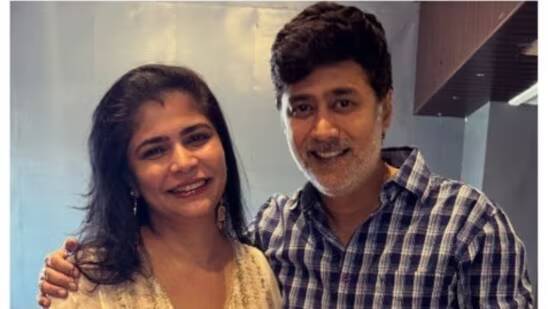
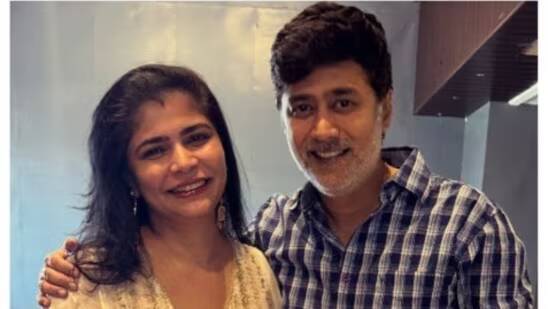
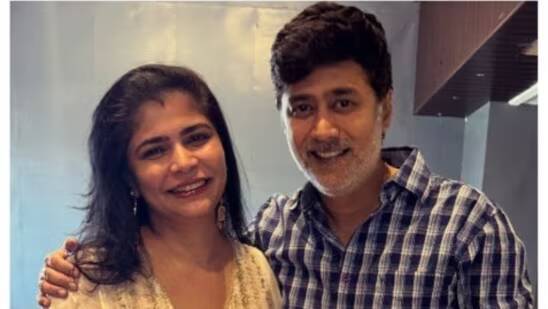
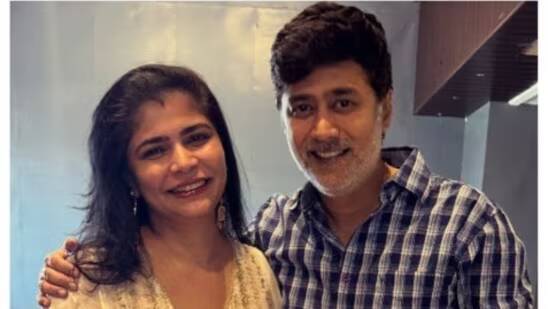
In a bold and unapologetic response, singer Chinmayi Sripaada has slammed a troll on social media platform X, who had the audacity to call her husband, filmmaker Rahul Ravindran, “a puppet dancing” to her “tunes”. The incident has sparked a debate about the role of women in relationships and the perception of men who support and respect their partners.
It all started when Chinmayi posted a message praising her husband, Rahul Ravindran, on X. The post was a heartfelt tribute to her partner, acknowledging his support and love. However, not everyone was pleased with the post, and a troll decided to comment with a derogatory remark, calling Rahul a “puppet dancing” to Chinmayi’s “tunes”. The comment was not only sexist but also demeaning, implying that Rahul was somehow less of a man because he respected and supported his wife.
Chinmayi, known for her strong and outspoken personality, was not one to take the comment lying down. She responded to the troll with a fiery message, saying, “He’s an alpha and not an incel prick, who uses his brains, reads and doesn’t dance to anyone’s tunes…don’t screw around.” The response was a clear indication that Chinmayi would not tolerate any disrespect towards her or her husband.
The term “alpha” is often used to describe a person who is confident, strong, and assertive. By using this term to describe her husband, Chinmayi was making a clear statement that Rahul is a man who is secure in his own skin and is not afraid to show his emotions or support his partner. The use of the term “incel” (involuntary celibate) was also significant, as it highlighted the difference between a man who is confident and respectful, and one who is bitter and misogynistic.
The incident has sparked a debate about the role of women in relationships and the perception of men who support and respect their partners. In a society where men are often expected to be the dominant partner, it can be seen as a sign of weakness for a man to show emotions or be supportive of his partner. However, Chinmayi’s response suggests that this perception is not only outdated but also misguided.
A man who respects and supports his partner is not a “puppet” or a sign of weakness, but rather a sign of strength and confidence. It takes a secure and confident person to be able to show their emotions and be vulnerable with their partner. By responding to the troll in the way she did, Chinmayi was making a clear statement that she values and respects her husband, and that she will not tolerate any disrespect towards him.
The incident also highlights the importance of social media in shaping our perceptions and attitudes towards relationships and gender roles. Social media platforms like X provide a space for people to express themselves and share their thoughts and opinions. However, they also provide a space for trolls and misogynists to spread their hate and intolerance.
In recent years, there has been a growing trend of women speaking out against sexism and misogyny on social media. From the #MeToo movement to the #TimesUp campaign, women have been using social media to raise awareness about issues that affect them and to challenge the status quo. Chinmayi’s response to the troll is just one example of this trend, and it highlights the importance of women speaking out against sexism and misogyny.
In conclusion, Chinmayi’s response to the troll who called her husband a “puppet” is a powerful statement about the role of women in relationships and the perception of men who support and respect their partners. It highlights the importance of social media in shaping our perceptions and attitudes towards relationships and gender roles, and it suggests that we need to challenge the outdated and misguided perceptions that exist in our society.
By speaking out against sexism and misogyny, women like Chinmayi are helping to create a more equal and just society, where men and women can be respected and valued for who they are. As we move forward, it is essential that we continue to challenge the status quo and to promote a culture of respect and equality.
About the Author