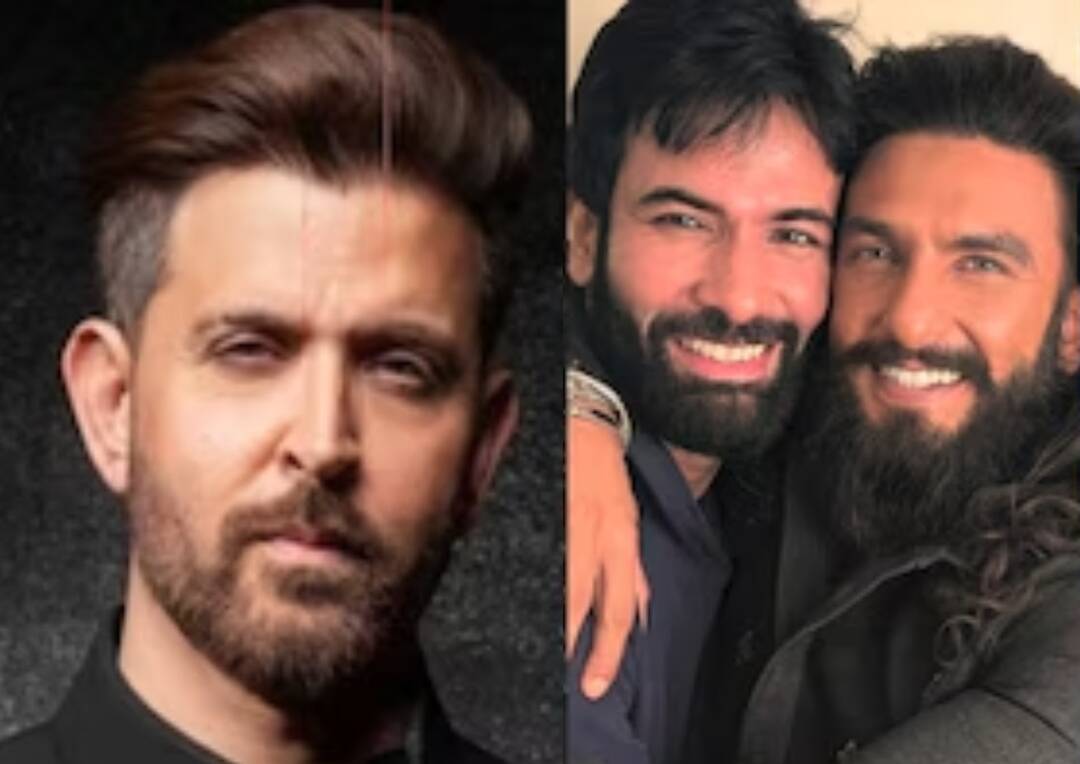
Can’t deny 26/11: ‘Dhurandhar’ actor Danish on Hrithik’s review
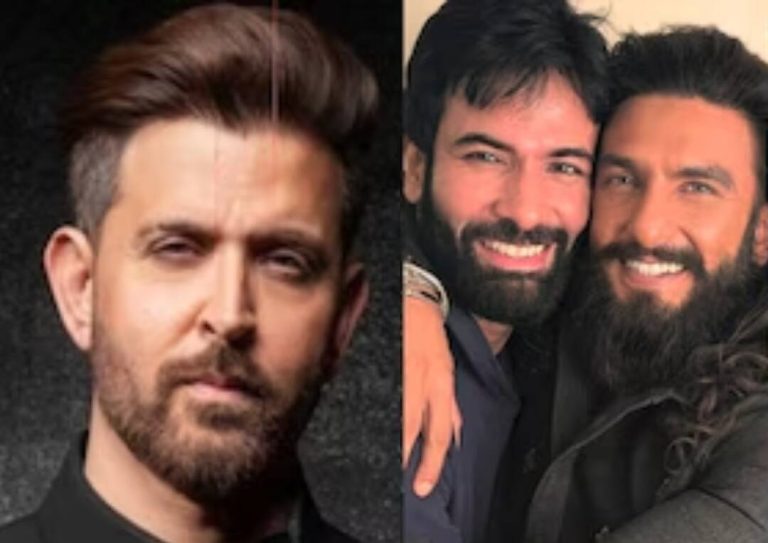
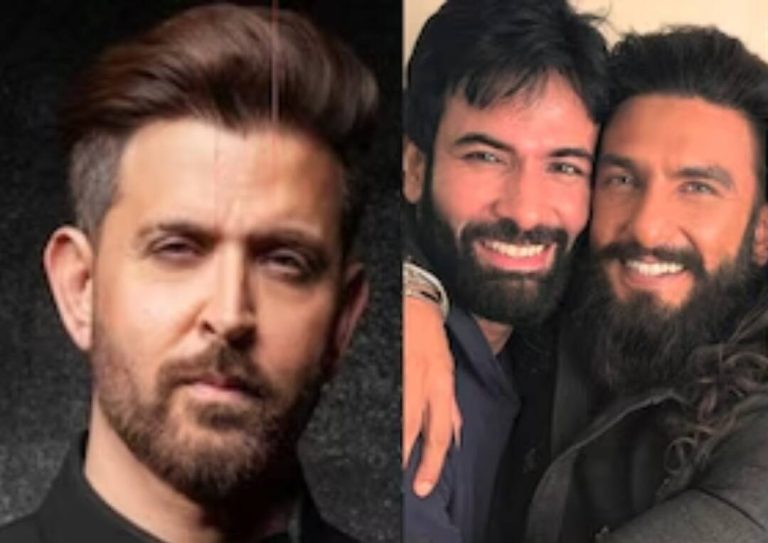
The world of cinema has always been a reflection of the society we live in, often tackling complex and sensitive topics that spark debates and discussions. Recently, the film ‘Dhurandhar’ has been making headlines, not just for its engaging storyline, but also for the political undertones that have garnered mixed reactions from the audience and critics alike. One such reaction came from Bollywood superstar Hrithik Roshan, who expressed his disagreement with the film’s politics. However, ‘Dhurandhar’ actor Danish Pandor, who plays the role of Uzair Baloch, has responded to Hrithik’s review, shedding light on the research and effort that went into incorporating the political aspects in the film.
In a recent interview, Danish Pandor shared his thoughts on Hrithik Roshan’s comment, stating that the political aspect of the film is subjective and backed by thorough research. He emphasized that the events depicted in the film, including the 26/11 attack, are historical facts that cannot be denied. “This is very subjective…As far as political aspect goes, these are all research-backed elements. Even if you take into consideration the 26/11 attack, you can’t deny that it happened,” Danish said, highlighting the importance of acknowledging the reality of such events.
The 26/11 attack, which took place in Mumbai in 2008, was a devastating terrorist attack that shook the nation, resulting in the loss of numerous lives and widespread destruction. The attack was carried out by a group of terrorists from Pakistan, and it led to a significant escalation of tensions between India and Pakistan. The film ‘Dhurandhar’ touches upon this sensitive topic, and Danish Pandor’s response to Hrithik’s review suggests that the film’s portrayal of the event is rooted in fact and not mere fiction.
Danish Pandor’s statement also underscores the importance of artistic freedom and the need for filmmakers to tackle complex and sensitive topics without fear of censorship or backlash. By incorporating real-life events and political themes into the narrative, filmmakers can spark important discussions and raise awareness about critical issues that affect society. However, this also means that the film will be subject to scrutiny and debate, as different individuals may have varying perspectives on the same issue.
Hrithik Roshan’s disagreement with the film’s politics has sparked a debate about the role of cinema in shaping public opinion and perceptions. While some may argue that films should avoid taking a political stance, others believe that cinema has the power to influence and educate, and that filmmakers have a responsibility to tackle tough topics and spark meaningful conversations.
In the context of ‘Dhurandhar’, Danish Pandor’s response to Hrithik’s review highlights the careful consideration and research that went into crafting the film’s narrative. By incorporating real-life events and political themes, the filmmakers aimed to create a thought-provoking and engaging story that would resonate with the audience. While opinions about the film’s politics may vary, it is clear that ‘Dhurandhar’ has succeeded in sparking a debate and encouraging viewers to think critically about the issues it raises.
In conclusion, the debate surrounding ‘Dhurandhar’ and its politics serves as a reminder of the complex and multifaceted nature of cinema. As a medium, film has the power to educate, influence, and spark meaningful conversations, and filmmakers have a responsibility to tackle tough topics and push boundaries. While opinions may vary, it is clear that ‘Dhurandhar’ has made a significant impact, and Danish Pandor’s response to Hrithik Roshan’s review has added a new dimension to the ongoing debate.
About the Author