Can’t deny 26/11: ‘Dhurandhar’ actor Danish on Hrithik’s review
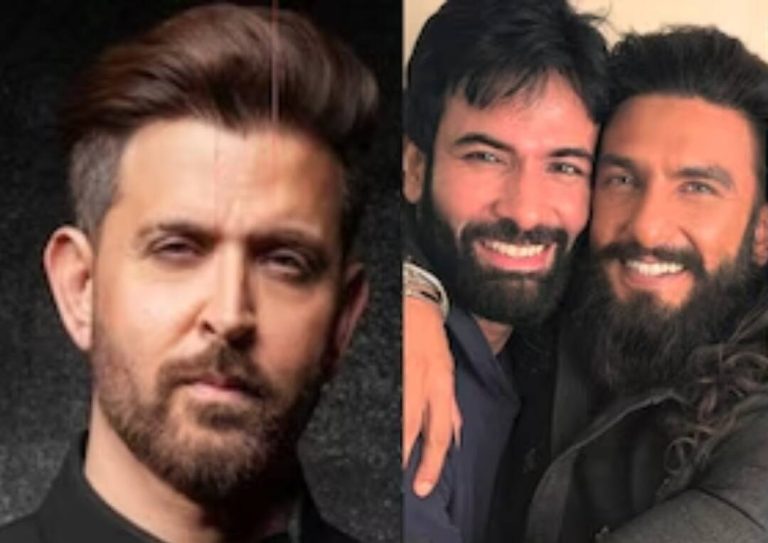
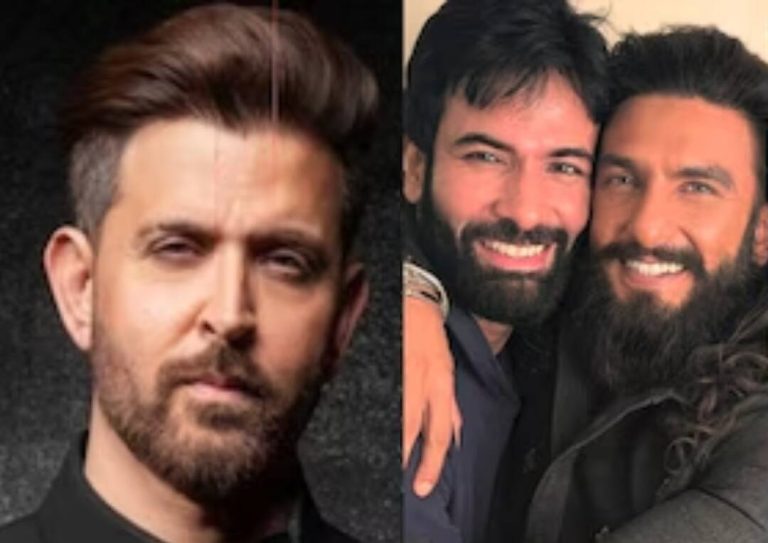
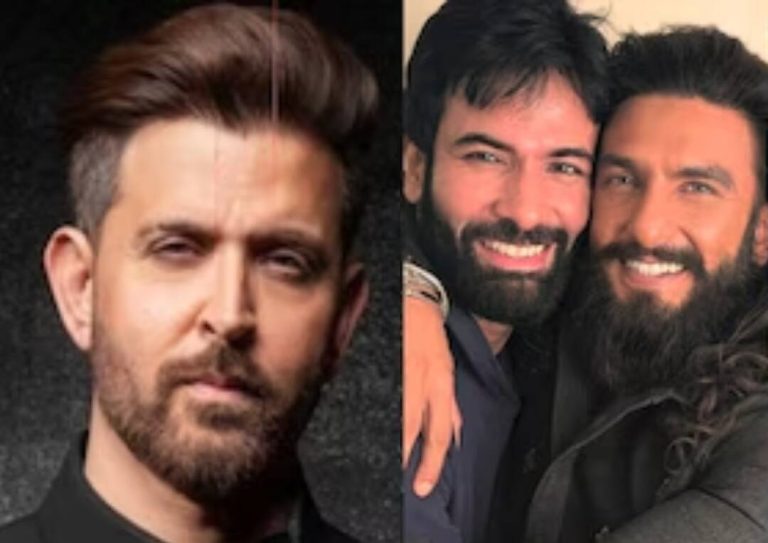
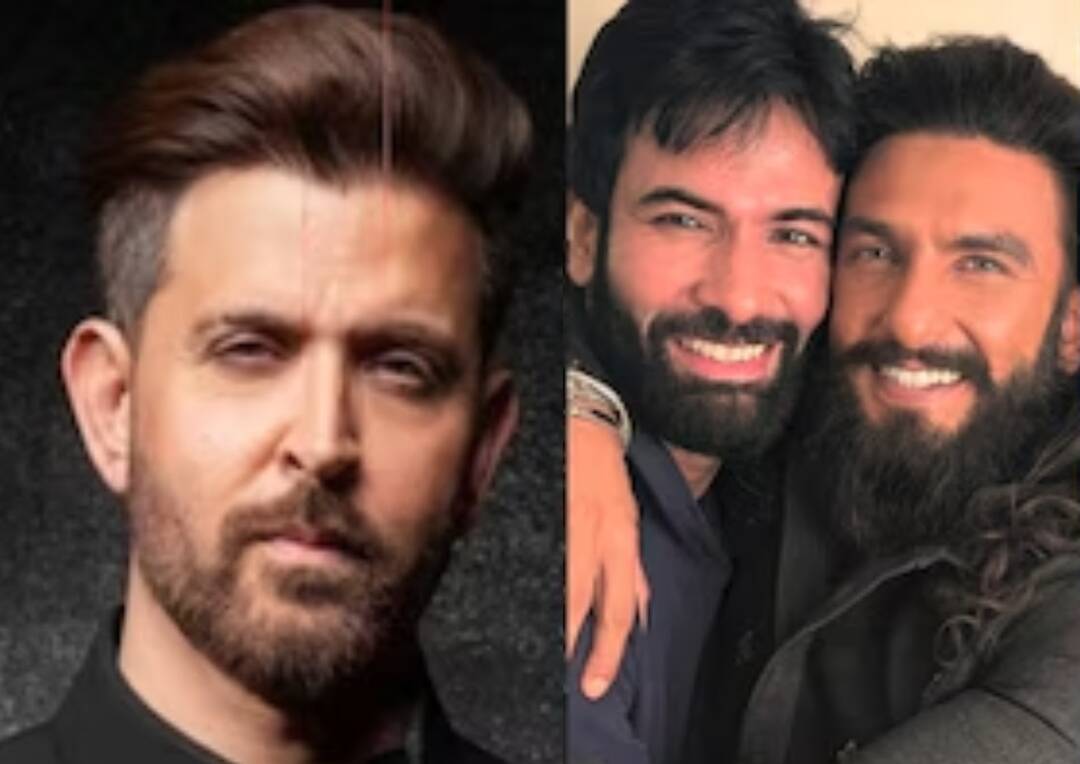
The recent release of the film ‘Dhurandhar’ has sparked a lot of debate and discussion among the audience and the film fraternity. One of the most talked-about aspects of the film is its politics, which has drawn both praise and criticism from various quarters. Recently, Bollywood superstar Hrithik Roshan shared his thoughts on the film’s politics, stating that he “disagreed” with it. However, ‘Dhurandhar’ actor Danish Pandor, who plays the role of Uzair Baloch, has responded to Hrithik’s review, providing a different perspective on the matter.
According to Danish, the politics in the film are based on research and are not just mere opinions or biases. He stated, “This is very subjective…As far as the political aspect goes, these are all research-backed elements. Even if you take into consideration the 26/11 attack, you can’t deny that it happened.” The 26/11 attack, which took place in Mumbai in 2008, was a traumatic event that shook the entire nation. It was a terrorist attack that resulted in the loss of many innocent lives and had a profound impact on the country’s politics and security.
Danish’s response to Hrithik’s review highlights the importance of acknowledging historical events and their impact on the present. By saying that one cannot deny the 26/11 attack, Danish is emphasizing the need to accept and learn from the past, rather than trying to sweep it under the carpet or distort it for personal or political gain. This approach is essential in any democratic society, where freedom of speech and expression are valued, but also where facts and evidence should be respected and acknowledged.
The debate surrounding the politics in ‘Dhurandhar’ is not just limited to the film itself, but also reflects the broader societal and cultural context in which we live. In today’s world, where misinformation and fake news are rampant, it is more important than ever to rely on facts and evidence-based information. By doing so, we can have more informed and nuanced discussions about complex issues, rather than relying on emotions, biases, or personal opinions.
Moreover, the fact that Hrithik Roshan, a prominent figure in the film industry, has shared his thoughts on the film’s politics, highlights the significance of the issue. As a public figure, Hrithik’s opinions and views carry weight and can influence a large section of the audience. By engaging with the film’s politics, he is encouraging others to do the same, which can lead to a more vibrant and inclusive public discourse.
In conclusion, the debate surrounding the politics in ‘Dhurandhar’ is a complex and multifaceted issue that requires careful consideration and analysis. While Hrithik Roshan’s review may have sparked controversy, Danish Pandor’s response provides a more nuanced and evidence-based perspective on the matter. By acknowledging the historical context and the research that has gone into the film, Danish is emphasizing the importance of respecting facts and evidence, even when they are uncomfortable or challenging.
As we move forward, it is essential to continue this conversation and to encourage more people to engage with the film’s politics and its broader societal implications. By doing so, we can foster a more informed and empathetic public discourse, where different perspectives and opinions are valued and respected. Ultimately, this can lead to a more just and equitable society, where everyone has the opportunity to thrive and reach their full potential.
About the Author