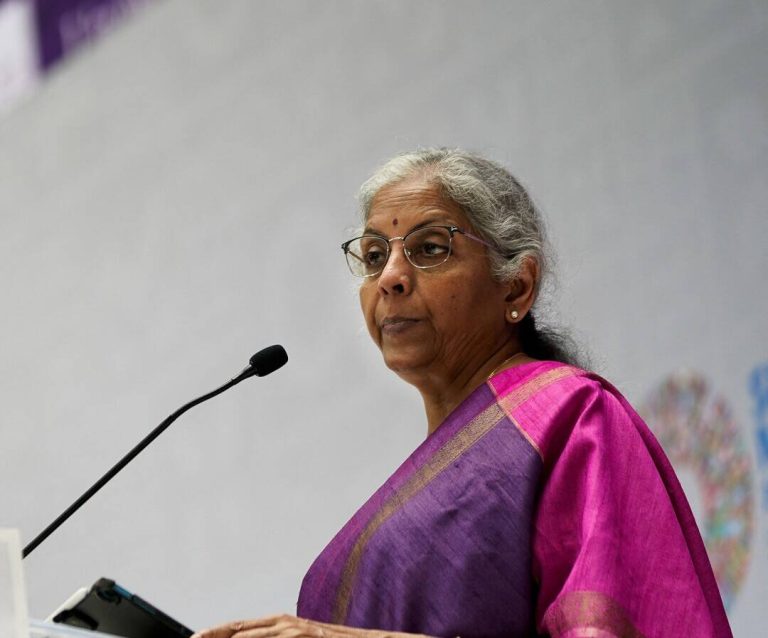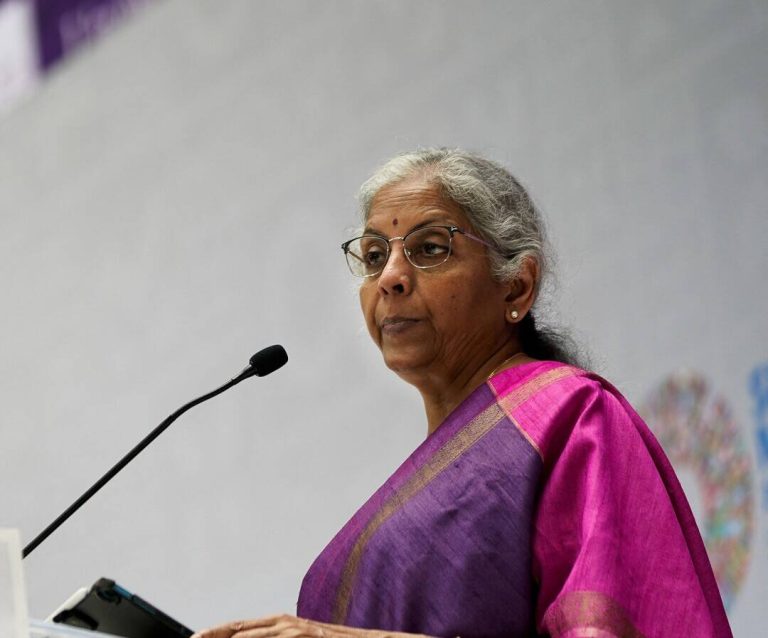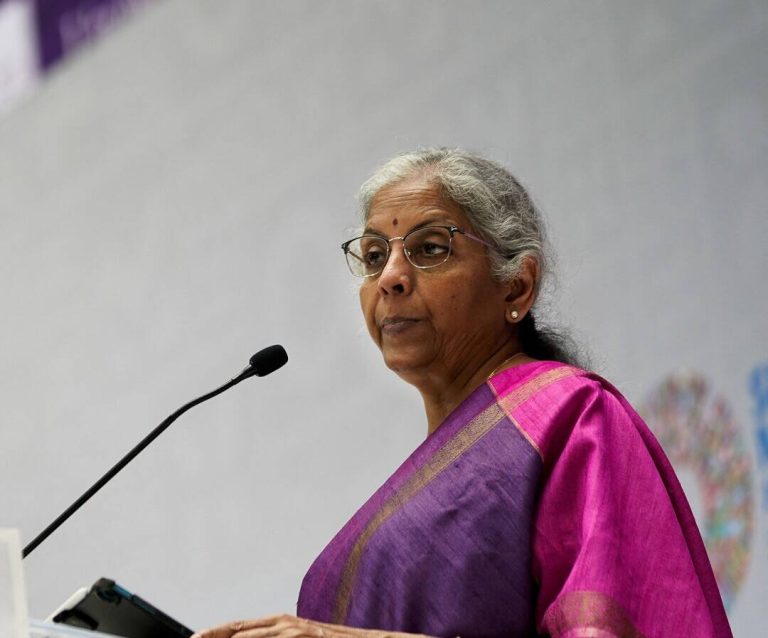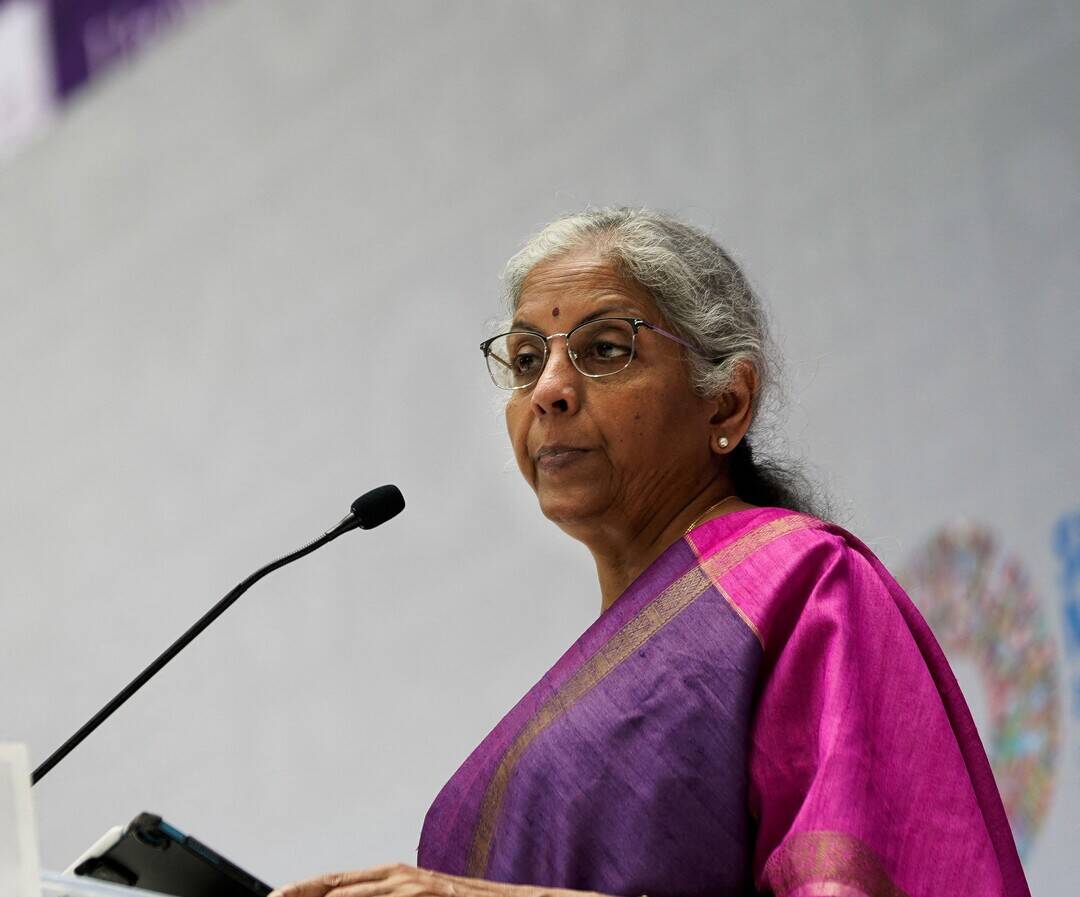
Who is part of Sitharaman’s ‘war room’ for Budget 2026?
As the nation awaits the unveiling of Budget 2026, the anticipation is palpable. The Union Budget, presented by the Finance Minister, is a comprehensive document that outlines the government’s fiscal policies, revenue projections, and expenditure plans for the upcoming financial year. Behind the scenes, a dedicated team of officials works tirelessly to draft the Budget, ensuring that it aligns with the government’s vision and priorities. This team, often referred to as the ‘war room’, plays a crucial role in shaping the country’s economic landscape.
At the helm of this ‘war room’ is Finance Minister Nirmala Sitharaman, who has been instrumental in driving the government’s economic agenda. The team consists of experienced officials from various departments, each bringing their expertise to the table. Economic Affairs Secretary Anuradha Thakur, Revenue Secretary Arvind Srivastava, Expenditure Secretary V Vualnam, and Financial Services Secretary M Nagaraju are some of the key members of this team. Additionally, DIPAM Secretary Arunish Chawla, Public Enterprises Secretary Moses Chalai, and Chief Economic Adviser (CEA) V Anantha Nageswaran are also part of the ‘war room’, providing valuable insights and guidance.
The ‘war room’ is responsible for drafting the Budget, which involves a thorough analysis of the country’s economic performance, identification of areas that require attention, and formulation of policies to address these challenges. The team works closely with various stakeholders, including government departments, regulatory bodies, and industry experts, to ensure that the Budget is comprehensive and effective.
One of the primary objectives of the ‘war room’ is to ensure that the Budget is aligned with the government’s overall vision and priorities. This involves a thorough review of the country’s economic performance, including GDP growth, inflation, and fiscal deficit. The team also analyzes the impact of global economic trends, such as changes in trade policies, commodity prices, and geopolitical developments, on the Indian economy.
The ‘war room’ is also responsible for identifying areas that require attention and formulating policies to address these challenges. For instance, the team may focus on initiatives to boost economic growth, create jobs, and improve the overall standard of living. The Budget may include measures to promote investment, enhance infrastructure development, and support small and medium-sized enterprises (SMEs).
The role of the CEA, V Anantha Nageswaran, is particularly significant in the ‘war room’. As the chief economic advisor, he provides critical inputs on economic policy, growth projections, and fiscal management. His expertise helps the team to make informed decisions and ensure that the Budget is grounded in sound economic principles.
The ‘war room’ also works closely with other government departments, such as the Ministry of Commerce and Industry, the Ministry of Labour and Employment, and the Ministry of Agriculture and Farmers’ Welfare, to ensure that the Budget is aligned with the government’s overall development agenda. This collaborative approach helps to ensure that the Budget is comprehensive and effective in addressing the country’s economic challenges.
In conclusion, the ‘war room’ led by Finance Minister Nirmala Sitharaman plays a vital role in shaping the country’s economic landscape. The team’s dedication, expertise, and commitment to drafting a comprehensive and effective Budget are commendable. As the nation awaits the unveiling of Budget 2026, it is clear that the ‘war room’ has worked tirelessly to ensure that the Budget aligns with the government’s vision and priorities.
For more information on the ‘war room’ and the Budget 2026, visit: https://www.firstpost.com/explainers/whos-in-nirmala-sitharamans-union-budget-2026-war-room-13973100.html/amp
About the Author