Who is part of Sitharaman’s ‘war room’ for Budget 2026?
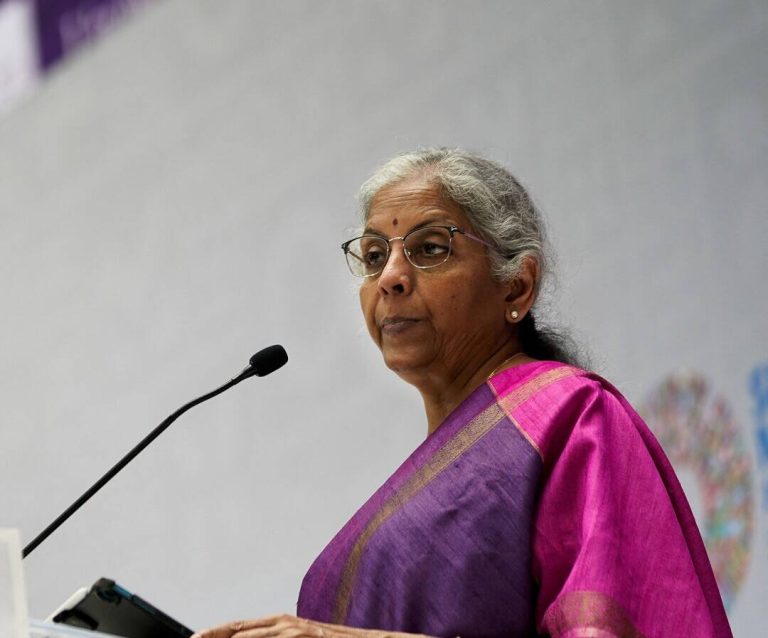
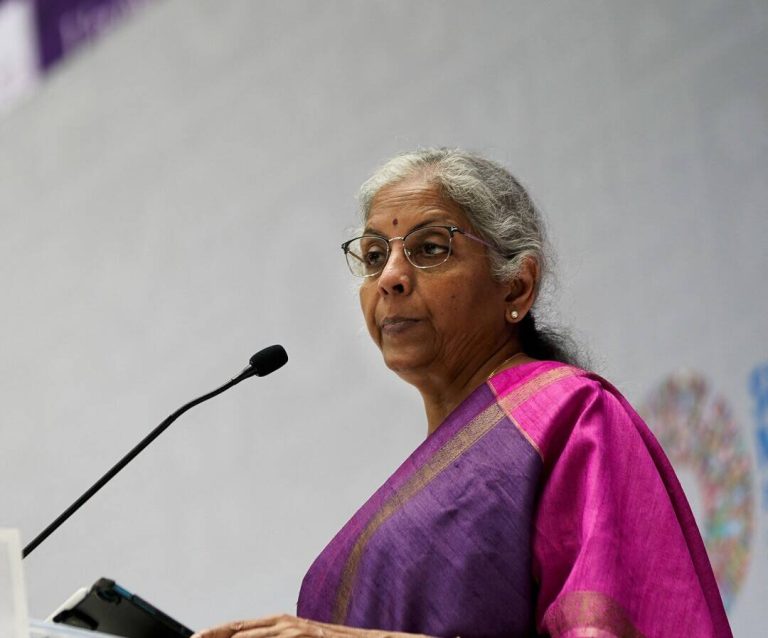
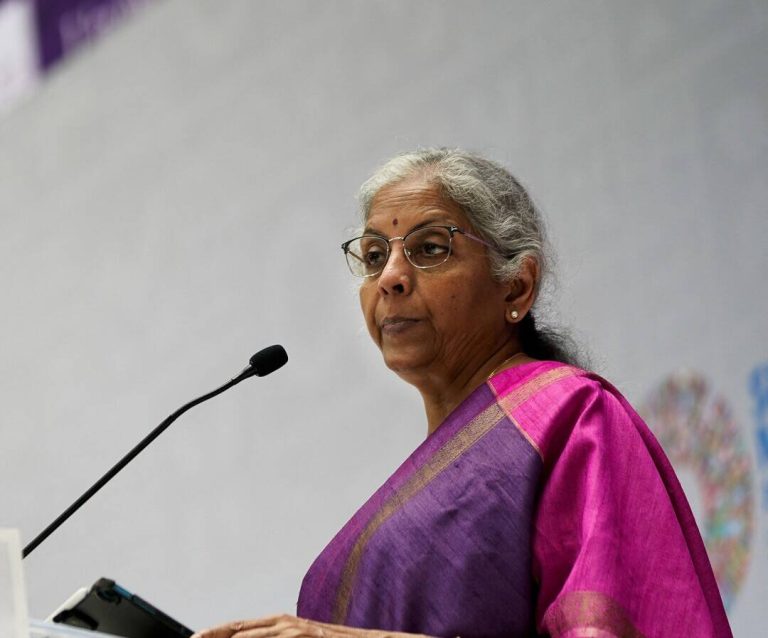
As the nation awaits the presentation of the Union Budget 2026, the Finance Minister Nirmala Sitharaman and her team have been working tirelessly behind the scenes to draft a comprehensive budget that addresses the country’s economic needs. The team, often referred to as the ‘war room’, consists of top officials who have been instrumental in shaping the budget. In this article, we will delve into the details of Sitharaman’s ‘war room’ and explore the key members who have contributed to the drafting of Budget 2026.
At the helm of the ‘war room’ is Economic Affairs Secretary Anuradha Thakur, who has played a crucial role in drafting the budget. Thakur, a seasoned bureaucrat, has extensive experience in economic policy-making and has been instrumental in shaping the government’s economic agenda. Her expertise in macroeconomic policy, fiscal policy, and international economic relations has been invaluable in drafting the budget.
Another key member of the ‘war room’ is Revenue Secretary Arvind Srivastava, who has been responsible for drafting the tax proposals and revenue estimates for the budget. Srivastava, a veteran bureaucrat, has a deep understanding of the tax system and has been instrumental in implementing key tax reforms, including the Goods and Services Tax (GST). His expertise in tax policy and revenue administration has been crucial in shaping the budget’s revenue projections.
Expenditure Secretary V Vualnam is also part of the ‘war room’, responsible for overseeing the allocation of resources and expenditures for various government schemes and programs. Vualnam, a seasoned bureaucrat, has extensive experience in public finance and has been instrumental in ensuring that the budget allocations are aligned with the government’s priorities.
Financial Services Secretary M Nagaraju is another key member of the ‘war room’, responsible for drafting the budget proposals related to the financial sector. Nagaraju, a veteran bureaucrat, has a deep understanding of the financial sector and has been instrumental in implementing key reforms, including the recapitalization of public sector banks.
In addition to these officials, DIPAM Secretary Arunish Chawla, Public Enterprises Secretary Moses Chalai, and Chief Economic Adviser (CEA) V Anantha Nageswaran are also part of the ‘war room’. Chawla, a seasoned bureaucrat, has been responsible for overseeing the disinvestment of public sector enterprises, while Chalai has been instrumental in implementing key reforms in the public sector. Nageswaran, a renowned economist, has provided critical inputs on macroeconomic policy and has been instrumental in shaping the budget’s economic framework.
The ‘war room’ has been working tirelessly to ensure that the budget is comprehensive, inclusive, and addresses the country’s economic needs. The team has been engaging with various stakeholders, including industry leaders, economists, and experts, to gather feedback and suggestions on the budget. The ‘war room’ has also been working closely with other government departments and ministries to ensure that the budget allocations are aligned with the government’s priorities.
As the nation awaits the presentation of the Union Budget 2026, it is clear that Sitharaman’s ‘war room’ has played a critical role in drafting a comprehensive budget that addresses the country’s economic needs. The team’s expertise, experience, and dedication have been invaluable in shaping the budget, and their efforts will have a significant impact on the country’s economic trajectory.
In conclusion, the ‘war room’ is a team of dedicated officials who have worked tirelessly to draft a comprehensive budget that addresses the country’s economic needs. The team, led by Economic Affairs Secretary Anuradha Thakur, has been instrumental in shaping the budget, and their expertise and experience have been invaluable in ensuring that the budget is inclusive, comprehensive, and addresses the country’s economic priorities.
About the Author