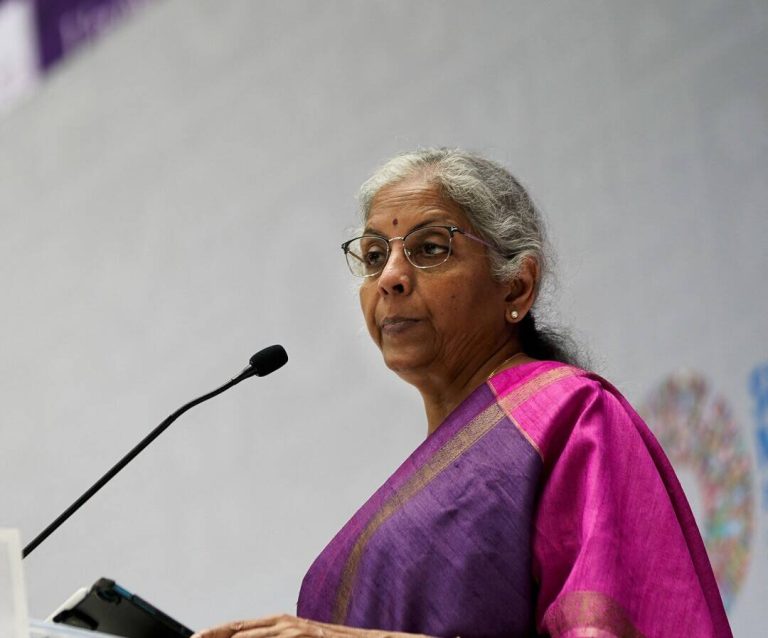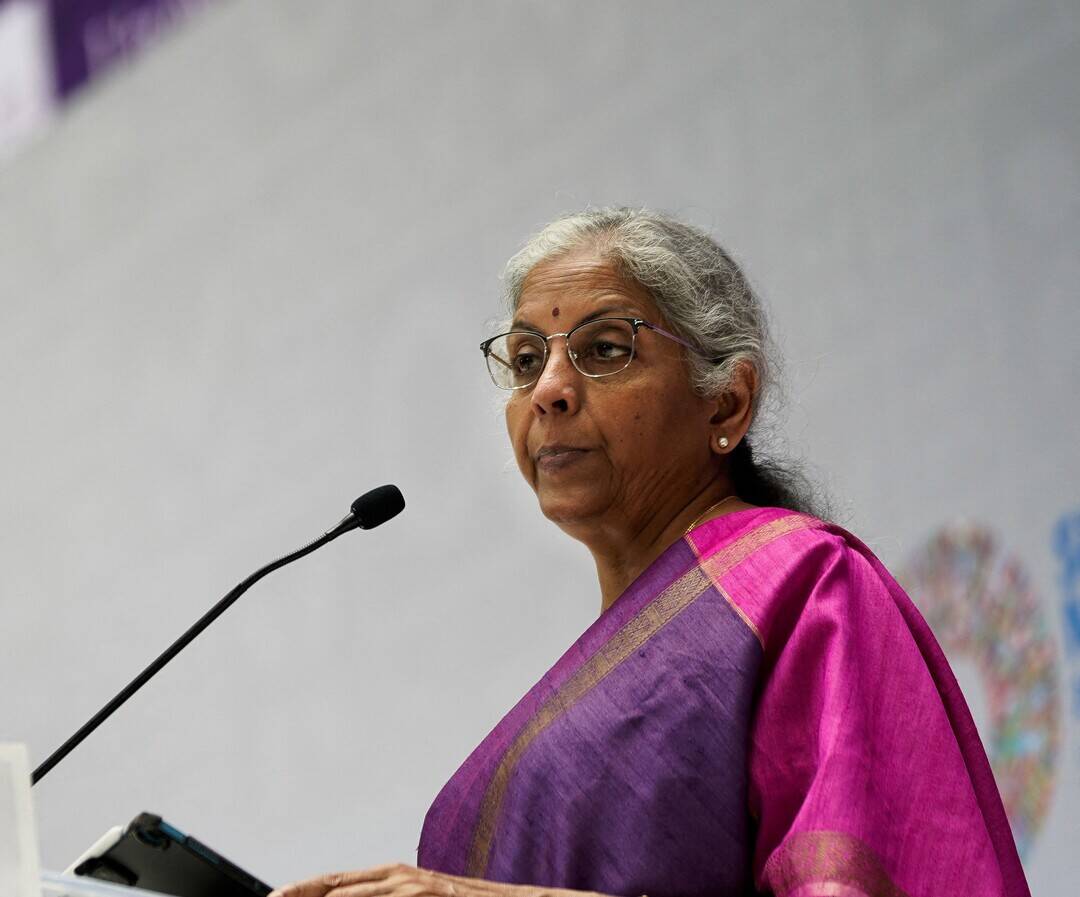
Who is part of Sitharaman’s ‘war room’ for Budget 2026?
As the nation eagerly awaits the unveiling of Budget 2026, the Finance Minister Nirmala Sitharaman and her team are busy putting the final touches on the document that will shape the country’s economic future. The team, often referred to as the ‘war room’, consists of top officials from various departments who have been working tirelessly to draft the budget. In this article, we will delve into the composition of Sitharaman’s ‘war room’ and explore the key players who have been instrumental in shaping Budget 2026.
At the helm of the ‘war room’ is Economic Affairs Secretary Anuradha Thakur, who has been a crucial part of the budget-making process. Thakur, a seasoned bureaucrat, has extensive experience in economic policy-making and has played a key role in shaping the government’s economic agenda. Alongside Thakur is Revenue Secretary Arvind Srivastava, who has been responsible for overseeing the revenue projections and estimates that form the backbone of the budget. Srivastava’s expertise in taxation and revenue collection has been invaluable in crafting a budget that aims to boost economic growth while ensuring fiscal prudence.
Another important member of the ‘war room’ is Expenditure Secretary V Vualnam, who has been tasked with overseeing the allocation of resources across various sectors. Vualnam’s experience in public finance and expenditure management has been crucial in ensuring that the budget allocations are aligned with the government’s priorities and objectives. Financial Services Secretary M Nagaraju is also part of the team, bringing his expertise in banking and financial regulation to the table. Nagaraju’s inputs have been instrumental in shaping the budget’s financial sector reforms and initiatives.
In addition to these key secretaries, the ‘war room’ also includes DIPAM Secretary Arunish Chawla, who has been responsible for overseeing the disinvestment program and other strategic initiatives. Chawla’s experience in public asset management and disinvestment has been crucial in shaping the budget’s divestment plans and strategies. Public Enterprises Secretary Moses Chalai is also part of the team, bringing his expertise in public sector management and reform. Chalai’s inputs have been instrumental in shaping the budget’s initiatives aimed at improving the efficiency and performance of public sector enterprises.
Last but not least, the ‘war room’ also includes Chief Economic Adviser (CEA) V Anantha Nageswaran, who has been providing critical economic analysis and advice to the Finance Minister. Nageswaran’s expertise in macroeconomic policy and his experience in advising governments on economic matters have been invaluable in shaping the budget’s economic framework and strategy.
The composition of Sitharaman’s ‘war room’ reflects the government’s commitment to crafting a budget that is comprehensive, inclusive, and growth-oriented. The team’s diversity of expertise and experience has enabled the government to take a holistic approach to budget-making, considering multiple perspectives and stakeholders. As the nation awaits the unveiling of Budget 2026, it is clear that the ‘war room’ has played a critical role in shaping the document that will chart the course of India’s economic future.
In conclusion, the ‘war room’ behind Budget 2026 is a team of dedicated and experienced officials who have worked tirelessly to craft a budget that meets the nation’s aspirations. With their collective expertise and commitment to public service, the team has been instrumental in shaping a budget that aims to boost economic growth, improve fiscal discipline, and enhance the overall well-being of the nation.
News source: https://www.firstpost.com/explainers/whos-in-nirmala-sitharamans-union-budget-2026-war-room-13973100.html/amp
About the Author