Where’s your father, country waiting to give him red carpet: SC to Choksi’s son
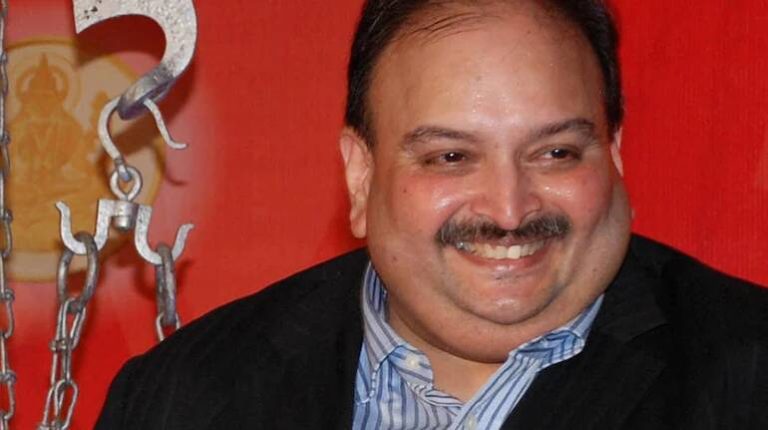
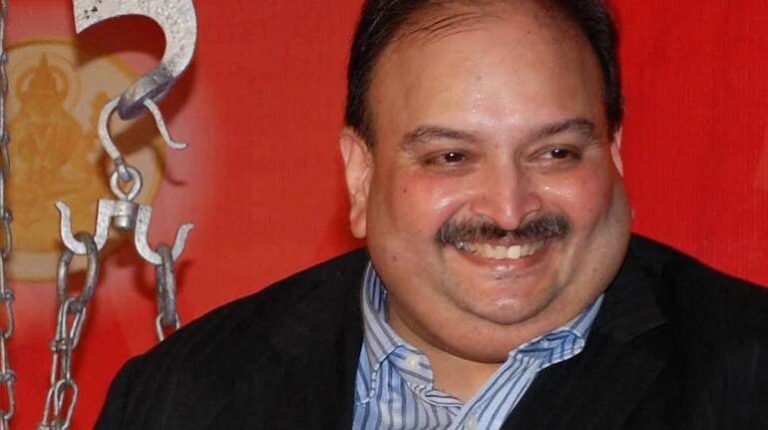
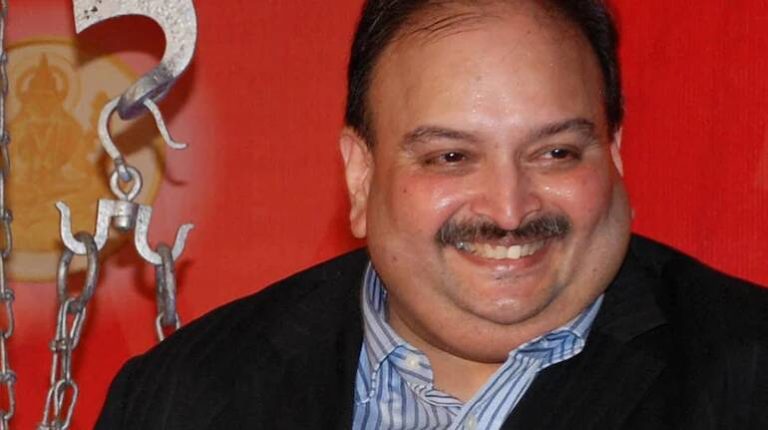
The Supreme Court of India has recently made a scathing remark in a case involving Mehul Choksi, a fugitive businessman accused of being involved in the Punjab National Bank (PNB) scam. The court’s comment was directed at Choksi’s son, who had filed a petition against the National Spot Exchange Limited’s decision to include him in a ₹937-crore recovery suit. The court’s response was unequivocal, with the judges asking, “Where’s your respected father nowadays? The…country is…waiting to give him a red-carpet welcome.”
Mehul Choksi, the founder of Gitanjali Gems, is accused of being involved in a massive scam that rocked the Indian banking system in 2018. The PNB scam, which involved the fraudulent issuance of letters of undertaking (LoUs) worth ₹14,000 crore, was one of the largest banking scams in Indian history. Choksi, along with his nephew Nirav Modi, is accused of being the mastermind behind the scam. While Nirav Modi is currently in a UK prison, fighting extradition to India, Mehul Choksi has been living in Antigua and Barbuda, where he has been granted citizenship.
The Supreme Court’s remark was made in response to a petition filed by Choksi’s son, who argued that he should not be included in the recovery suit filed by the National Spot Exchange Limited. The court, however, was unsympathetic to his plea, pointing out that his father’s whereabouts were unknown, and that the country was waiting to welcome him back with a red carpet. The court’s comment was seen as a reflection of the widespread anger and frustration among Indians over the fact that Choksi and other fugitive businessmen have been able to evade justice and live comfortably abroad.
The PNB scam has been a major embarrassment for the Indian government, which has been criticized for its failure to prevent the scam and to bring the perpetrators to justice. The government has been trying to extradite Mehul Choksi and Nirav Modi to face trial in India, but the process has been slow and cumbersome. The fact that Choksi has been granted citizenship in Antigua and Barbuda has made it even more difficult for the Indian government to bring him back to the country.
The Supreme Court’s comment has been seen as a reflection of the court’s frustration with the government’s handling of the case. The court has been critical of the government’s failure to take effective action against fugitive businessmen, and has pointed out that the country’s laws and institutions are not effective in dealing with white-collar crime. The court’s remark has also been seen as a warning to other fugitive businessmen who may be thinking of evading justice by fleeing the country.
The case has also highlighted the need for more effective cooperation between countries in dealing with white-collar crime. The fact that Mehul Choksi has been able to live comfortably in Antigua and Barbuda, despite being accused of a major crime in India, has raised questions about the effectiveness of international cooperation in dealing with fugitive businessmen. The Indian government has been trying to persuade Antigua and Barbuda to revoke Choksi’s citizenship and extradite him to India, but the process has been slow.
In conclusion, the Supreme Court’s remark in the case involving Mehul Choksi’s son is a reflection of the widespread frustration and anger among Indians over the fact that fugitive businessmen have been able to evade justice and live comfortably abroad. The case has highlighted the need for more effective action against white-collar crime, and for greater international cooperation in dealing with fugitive businessmen. The Indian government must take effective action to bring Mehul Choksi and other fugitive businessmen to justice, and to ensure that they are held accountable for their crimes.
About the Author