Where’s your father, country waiting to give him red carpet: SC to Choksi’s son
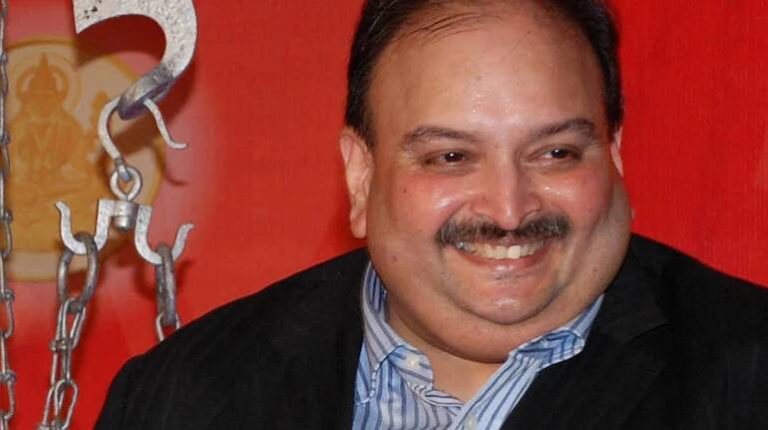
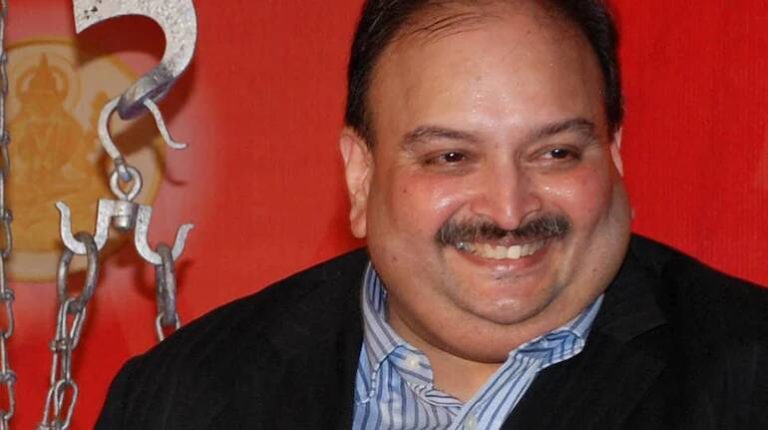
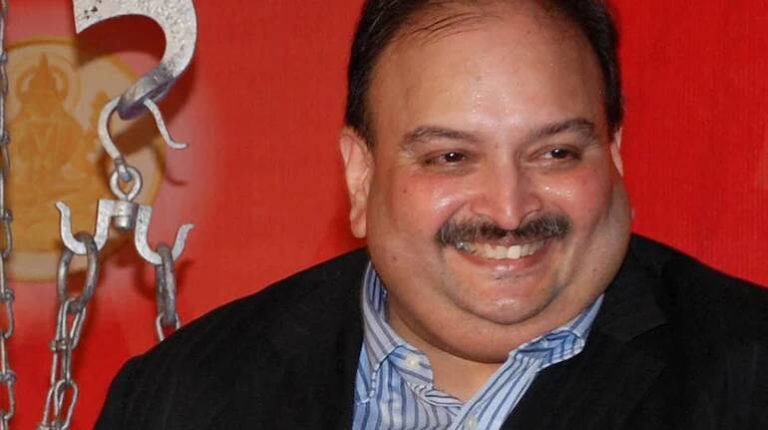
In a scathing remark, the Supreme Court of India recently dismissed a petition filed by Mehul Choksi’s son, questioning the decision of the National Spot Exchange Limited (NSEL) to include him in a ₹937-crore recovery suit. The court’s sharp comment came as a response to the petition, which was filed by Choksi’s son, allegedly to protect his interests in the matter. However, the court was not convinced by the arguments presented and instead, chose to focus on the whereabouts of Mehul Choksi, the main accused in the Punjab National Bank scam.
The court’s remark, “Where’s your respected father nowadays? The country is waiting to give him a red-carpet welcome,” was a clear indication of the frustration and disappointment felt by the judiciary towards the lack of cooperation from Mehul Choksi and his family. The comment was not only a rebuke to Choksi’s son but also a reflection of the court’s exasperation with the entire situation. The fact that Mehul Choksi, who is accused of perpetrating one of the largest banking scams in Indian history, is still at large and being pursued for extradition, has been a major point of concern for the Indian authorities.
The Punjab National Bank scam, which was uncovered in 2018, involved the fraudulent issuance of letters of undertaking (LoUs) to companies linked to Mehul Choksi and his nephew, Nirav Modi. The scam, which was estimated to be around ₹13,000 crore, led to a massive financial crisis for the bank and raised serious questions about the regulatory mechanisms in place to prevent such scams. While Nirav Modi was arrested in London in 2019 and is currently fighting extradition to India, Mehul Choksi has managed to evade the authorities and is believed to be living in Antigua and Barbuda, a Caribbean island nation.
The Supreme Court’s comment, while seemingly sarcastic, highlights the government’s eagerness to bring Mehul Choksi to justice. The fact that the country is “waiting to give him a red-carpet welcome” is a clear indication of the priority being given to his extradition and the desire to hold him accountable for his alleged crimes. The court’s remark also underscores the importance of cooperation from the accused and their families in such high-profile cases.
The NSEL recovery suit, in which Choksi’s son is a party, is a separate matter but is closely linked to the larger issue of the Punjab National Bank scam. The NSEL, which was a leading spot exchange in India, was forced to shut down in 2013 after a major scam was uncovered. The scam involved the misuse of the exchange’s platform to raise funds from investors, which were then used to pay off earlier investors, in a classic Ponzi scheme. Mehul Choksi and his companies were among the major borrowers from the NSEL, and the exchange’s decision to include his son in the recovery suit is an attempt to recover the dues from the Choksi family.
The Supreme Court’s dismissal of the petition filed by Choksi’s son is a significant development in the case and highlights the court’s commitment to ensuring that those responsible for the scam are held accountable. The court’s remark, while sharp, is also a reflection of the frustration felt by the judiciary towards the lack of cooperation from the accused and their families. As the case continues to unfold, it remains to be seen how the Indian authorities will manage to bring Mehul Choksi to justice and recover the dues from the Choksi family.
In conclusion, the Supreme Court’s comment, “Where’s your father, country waiting to give him red carpet,” is a stark reminder of the importance of cooperation and accountability in high-profile cases. The fact that Mehul Choksi is still at large and being pursued for extradition is a major concern for the Indian authorities, and the court’s remark highlights the eagerness to bring him to justice. As the case continues to unfold, it is essential to ensure that those responsible for the scam are held accountable and that the regulatory mechanisms in place are strengthened to prevent such scams from happening in the future.
About the Author