Where’s your father, country waiting to give him red carpet: SC to Choksi’s son
The Indian judiciary has once again demonstrated its commitment to upholding the law and ensuring that those who have fled the country to avoid prosecution are held accountable for their actions. In a recent hearing, the Supreme Court of India dismissed a petition filed by Mehul Choksi’s son, who had challenged the decision of the National Spot Exchange Limited (NSEL) to include him in a ₹937-crore recovery suit. The court’s response was scathing, with the judges asking the son, “Where’s your respected father nowadays? The country is waiting to give him a red-carpet welcome.”
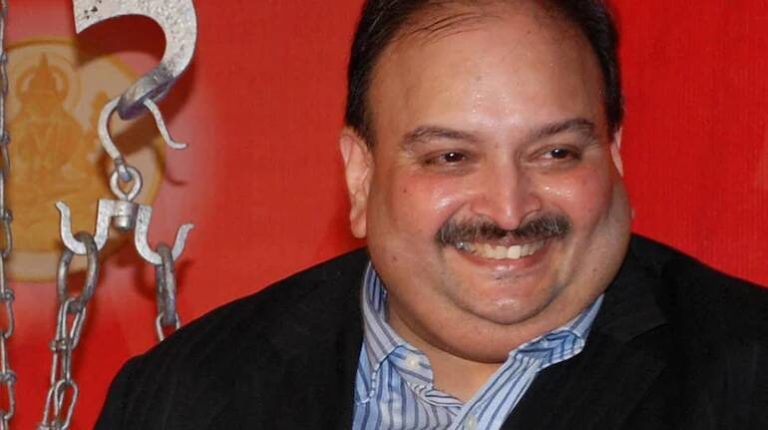
Mehul Choksi, the father, is a fugitive businessman who is accused of being involved in the Punjab National Bank (PNB) scam, one of the largest banking scams in Indian history. Choksi, along with his nephew Nirav Modi, is alleged to have defrauded the PNB of over ₹13,000 crore. The two businessmen fled the country in 2018, just before the scam was discovered, and have since been living in exile.
The Supreme Court’s decision to dismiss the petition filed by Choksi’s son is a significant development in the ongoing efforts to bring Mehul Choksi to justice. The court’s comments, however, were not just limited to the legal merits of the case. The judges also made it clear that the country is eager to see Choksi return and face the consequences of his actions.
The reference to a “red-carpet welcome” is particularly significant, as it suggests that the Indian authorities are ready to provide Choksi with all the amenities and protections that he is entitled to as a citizen, but also expect him to cooperate fully with the investigation and face the law. The use of the phrase “red-carpet welcome” is also a clever play on words, as it is often used to describe the warm reception given to dignitaries and celebrities. In this context, however, it takes on a very different connotation, implying that Choksi will be given a warm welcome, but not one that he will necessarily enjoy.
The PNB scam, in which Choksi is accused of being involved, is a complex and multi-layered case that involves a range of financial instruments and transactions. At its core, however, it is a simple case of fraud, in which a group of individuals used their positions of power and influence to cheat the bank and its customers out of large sums of money.
The Indian government has been working tirelessly to bring Choksi and other fugitive businessmen to justice, and the Supreme Court’s decision is a significant step forward in this effort. The government has also been working to strengthen its laws and regulations, to prevent similar scams from occurring in the future.
In addition to the PNB scam, Choksi is also facing charges in connection with the NSEL scam, which is the subject of the recovery suit that his son had challenged. The NSEL scam involved a range of fraudulent transactions, including the sale of fake or non-existent commodities, and resulted in losses of over ₹5,000 crore to investors.
The Supreme Court’s decision to dismiss the petition filed by Choksi’s son is a significant blow to the family’s efforts to avoid accountability for their actions. It is also a testament to the Indian judiciary’s commitment to upholding the law and ensuring that those who have committed crimes are held accountable.
In conclusion, the Supreme Court’s decision to dismiss the petition filed by Mehul Choksi’s son is a significant development in the ongoing efforts to bring the fugitive businessman to justice. The court’s comments, which included a reference to a “red-carpet welcome,” make it clear that the country is eager to see Choksi return and face the consequences of his actions. As the Indian government continues to work to strengthen its laws and regulations, and to bring fugitive businessmen to justice, it is clear that the era of impunity is coming to an end.
About the Author