Where’s your father, country waiting to give him red carpet: SC to Choksi’s son
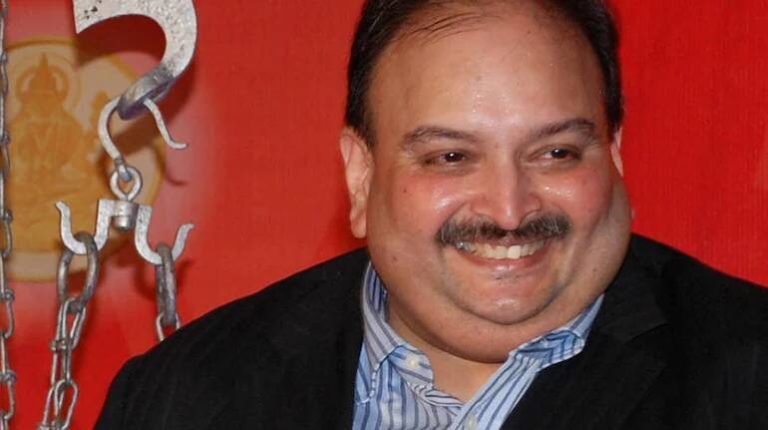
The Supreme Court of India has recently made a scathing remark in a case involving Mehul Choksi, a fugitive businessman who is currently at the center of a massive banking scam. The court’s comment was directed at Choksi’s son, who had filed a petition against the National Spot Exchange Limited’s decision to include him in a ₹937-crore recovery suit. The apex court’s observation has sent shockwaves through the business community and has raised questions about the accountability of those involved in the scam.
Mehul Choksi, a diamond merchant, is an accused in the Punjab National Bank (PNB) scam, which is one of the largest banking scams in Indian history. The scam, which was uncovered in 2018, involves the fraudulent issuance of letters of undertaking (LoUs) by PNB officials, which allowed Choksi’s companies to obtain loans from overseas banks. The scam is estimated to have caused a loss of over ₹13,000 crore to PNB.
Choksi, who is currently residing in Antigua and Barbuda, has been pursuing various legal avenues to avoid extradition to India. His son, who is also involved in the business, had filed a petition in the Supreme Court challenging the decision of the National Spot Exchange Limited to include him in the recovery suit. However, the court was not convinced by the arguments made by Choksi’s son and dismissed the petition.
In a stinging observation, the court asked Choksi’s son, “Where’s your respected father nowadays? The country is waiting to give him a red-carpet welcome.” The comment is a clear indication of the court’s frustration with Choksi’s attempts to avoid accountability for his actions. The court’s observation also reflects the widespread outrage and anger that the PNB scam has generated among the Indian public.
The PNB scam has been a major embarrassment for the Indian government, which has been struggling to recover the losses caused by the scam. The government has been pursuing various legal avenues to bring Choksi and other accused individuals to justice, but the process has been slow and cumbersome. The Supreme Court’s observation is a clear indication that the judiciary is also losing patience with the accused individuals and is keen to see them brought to justice.
The case has also raised questions about the role of the business community in promoting transparency and accountability. The PNB scam has exposed the cozy relationships between business leaders and government officials, which have allowed scams like this to occur. The case has also highlighted the need for greater transparency and accountability in business dealings, particularly in the banking sector.
In recent years, the Indian government has taken various steps to promote transparency and accountability in business dealings. The government has introduced various laws and regulations, such as the Insolvency and Bankruptcy Code, to promote transparency and accountability in business dealings. The government has also taken steps to improve the regulatory framework, including the establishment of the National Financial Reporting Authority (NFRA) to oversee the accounting and auditing standards in the country.
However, despite these efforts, the PNB scam has shown that there is still a long way to go in promoting transparency and accountability in business dealings. The scam has exposed the weaknesses in the regulatory framework and the need for greater vigilance and oversight. The case has also highlighted the need for greater cooperation between government agencies and the business community to promote transparency and accountability.
In conclusion, the Supreme Court’s observation in the case involving Mehul Choksi’s son is a clear indication of the judiciary’s frustration with the accused individuals and their attempts to avoid accountability. The case has raised questions about the role of the business community in promoting transparency and accountability and has highlighted the need for greater vigilance and oversight. The Indian government has taken various steps to promote transparency and accountability in business dealings, but the PNB scam has shown that there is still a long way to go.
As the case continues to unfold, it will be interesting to see how the judiciary and the government respond to the challenges posed by the PNB scam. The case has the potential to set important precedents for the promotion of transparency and accountability in business dealings and could have far-reaching implications for the Indian economy.
For now, the country waits with bated breath to see how the case unfolds and whether justice will be served. The Supreme Court’s observation has sent a clear message to those involved in the scam: the country is waiting to give them a red-carpet welcome, but it will be a welcome to justice, not to freedom.
About the Author