Where’s your father, country waiting to give him red carpet: SC to Choksi’s son
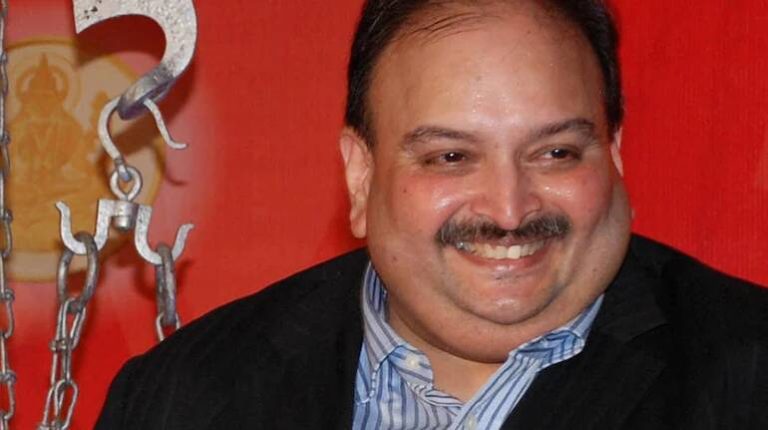
The Supreme Court of India has made a scathing remark in a recent case involving Mehul Choksi, the fugitive businessman who is accused of being involved in the Punjab National Bank (PNB) scam. The court’s comment came while dismissing a petition filed by Choksi’s son, who was seeking relief against the National Spot Exchange Limited’s (NSEL) decision to include him in a ₹937-crore recovery suit. The court’s observation highlights the country’s eagerness to bring Mehul Choksi to justice, and its frustration with the fact that he remains at large.
The PNB scam, which came to light in 2018, involved the fraudulent issuance of letters of undertaking (LoUs) by the bank’s officials, resulting in a loss of over ₹13,000 crore to the bank. Mehul Choksi, who is the promoter of Gitanjali Gems, was accused of being one of the main beneficiaries of the scam. He fled the country in January 2018, just before the scam was detected, and has since been living in Antigua and Barbuda, where he has taken citizenship.
The Supreme Court’s comment, “Where’s your respected father nowadays? The…country is…waiting to give him a red-carpet welcome,” is a clear indication of the country’s desire to bring Choksi to justice. The court’s use of the phrase “red-carpet welcome” is sarcastic, implying that the country is eager to welcome Choksi back, but not with the luxury and comfort that he is used to. Instead, the court is suggesting that Choksi will be given a warm welcome by the law enforcement agencies, who are eager to prosecute him for his alleged role in the PNB scam.
The petition filed by Choksi’s son was an attempt to avoid being included in the recovery suit filed by NSEL. The suit seeks to recover ₹937 crore from Choksi and other accused parties, including his company, Gitanjali Gems. The court’s decision to dismiss the petition means that Choksi’s son will now be included in the recovery suit, and will have to face the consequences of his father’s actions.
The Supreme Court’s decision is a significant setback for Choksi and his family, who have been trying to avoid the consequences of their actions. The court’s comment is also a clear message to Choksi that he cannot avoid the law forever, and that the country is determined to bring him to justice.
The PNB scam is one of the biggest financial scams in India’s history, and it has had a significant impact on the country’s banking system. The scam has led to a loss of public trust in the banking system, and has highlighted the need for greater vigilance and oversight in the financial sector. The government has taken several steps to prevent such scams in the future, including the introduction of new regulations and the strengthening of existing laws.
The case against Mehul Choksi is ongoing, and it is likely that he will be extradited to India in the near future. The Indian government has been trying to extradite Choksi from Antigua and Barbuda, where he has taken citizenship. The government has argued that Choksi’s citizenship is not a bar to his extradition, and that he should be brought back to India to face trial.
In conclusion, the Supreme Court’s comment in the case involving Mehul Choksi’s son is a clear indication of the country’s desire to bring Choksi to justice. The court’s use of the phrase “red-carpet welcome” is sarcastic, implying that the country is eager to welcome Choksi back, but not with the luxury and comfort that he is used to. The case highlights the need for greater vigilance and oversight in the financial sector, and the importance of bringing those who commit financial crimes to justice.
The Indian government’s efforts to extradite Choksi are ongoing, and it is likely that he will be brought back to India in the near future. The case against Choksi is a significant one, and it has the potential to set an important precedent for the prosecution of financial crimes in India. The Supreme Court’s decision to dismiss Choksi’s son’s petition is a significant setback for the Choksi family, and it highlights the consequences of their actions.
As the case against Choksi continues, it is likely that there will be more developments in the coming weeks and months. The Indian government is determined to bring Choksi to justice, and it is likely that he will be extradited to India in the near future. The case is a significant one, and it has the potential to set an important precedent for the prosecution of financial crimes in India.
About the Author