Where’s your father, country waiting to give him red carpet: SC to Choksi’s son
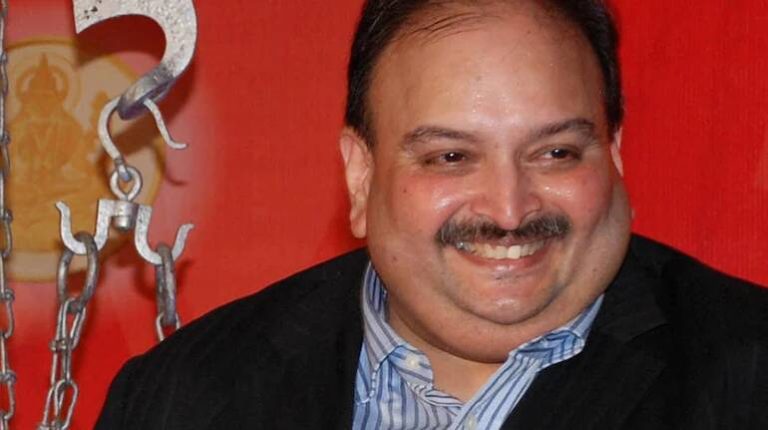
The Supreme Court of India has made a scathing remark in response to a petition filed by Mehul Choksi’s son, dismissing his plea against the National Spot Exchange Limited’s decision to include him in a ₹937-crore recovery suit. The court’s comment has sparked a flurry of interest, with many interpreting it as a reflection of the country’s eagerness to bring Mehul Choksi, the accused in the Punjab National Bank scam, to justice.
Mehul Choksi, a fugitive businessman, has been at the center of a high-profile scandal involving the Punjab National Bank. He is accused of perpetrating a massive fraud, which has left the bank with significant financial losses. The Indian government has been actively pursuing his extradition, but Choksi has managed to evade the law, currently residing in Antigua and Barbuda.
The petition filed by Choksi’s son was an attempt to distance himself from his father’s alleged wrongdoings. However, the Supreme Court was unsympathetic to his plea, questioning the whereabouts of his father. “Where’s your respected father nowadays? The…country is…waiting to give him a red-carpet welcome,” the court said, its tone laced with sarcasm.
The court’s remark is a clear indication of the country’s frustration with Mehul Choksi’s ability to evade the law. The “red-carpet welcome” comment is a reference to the fact that Choksi will be given a warm reception when he is finally brought back to India to face trial. The use of the phrase “respected father” is also noteworthy, as it highlights the court’s skepticism towards Choksi’s son’s attempt to distance himself from his father’s actions.
The National Spot Exchange Limited’s decision to include Choksi’s son in the ₹937-crore recovery suit is a significant development in the case. The suit is an attempt to recover the losses incurred by the exchange due to the alleged fraud perpetrated by Mehul Choksi. By including Choksi’s son in the suit, the exchange is seeking to hold him accountable for his father’s actions, a move that has been backed by the Supreme Court.
The Supreme Court’s dismissal of Choksi’s son’s petition is a significant setback for the family. It highlights the court’s commitment to ensuring that those responsible for the fraud are held accountable, regardless of their relationship to the accused. The court’s remark has also sparked a debate about the need for stricter laws to prevent fugitive businessmen from evading the law.
The case has also raised questions about the role of family members in perpetuating fraud. While Choksi’s son has attempted to distance himself from his father’s actions, the court’s decision suggests that he may still be held accountable for his father’s wrongdoing. This has significant implications for the families of fugitive businessmen, who may be forced to confront the consequences of their loved ones’ actions.
In conclusion, the Supreme Court’s remark to Choksi’s son is a reflection of the country’s frustration with Mehul Choksi’s ability to evade the law. The court’s decision to dismiss the petition and include Choksi’s son in the ₹937-crore recovery suit is a significant development in the case, highlighting the need for accountability and justice. As the country waits for Choksi’s return, the court’s comment serves as a reminder that those responsible for the fraud will be held accountable, and that the country is eager to bring them to justice.
About the Author