Where’s your father, country waiting to give him red carpet: SC to Choksi’s son
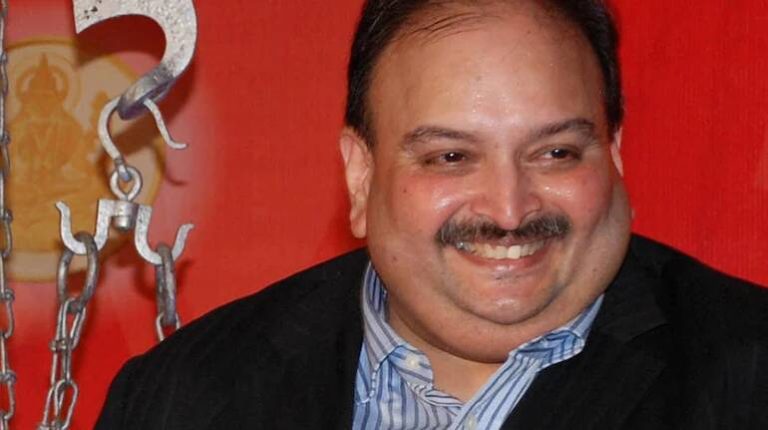
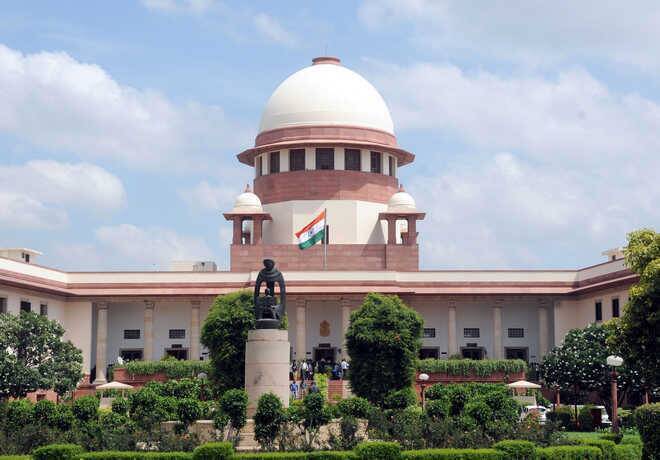
The Supreme Court of India has recently made headlines with its scathing remarks on a petition filed by Mehul Choksi’s son. The petition was against the National Spot Exchange Limited’s decision to include him in a ₹937-crore recovery suit. The court’s response was anything but subtle, as it questioned the whereabouts of Mehul Choksi, the accused in the Punjab National Bank scam. The court’s statement, “Where’s your respected father nowadays? The country is waiting to give him a red-carpet welcome,” has sparked a flurry of reactions and raised several questions about the ongoing case.
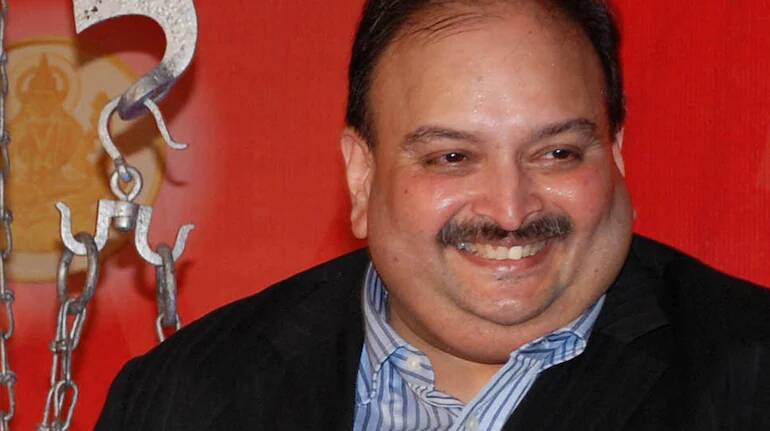
To understand the context of the court’s statement, it’s essential to delve into the background of the case. Mehul Choksi, a diamond merchant, is accused of being involved in the Punjab National Bank scam, which is one of the largest banking scams in Indian history. The scam, which was uncovered in 2018, involved the fraudulent issuance of letters of undertaking (LoUs) worth thousands of crores. Choksi, along with his nephew Nirav Modi, is accused of being the mastermind behind the scam.
The National Spot Exchange Limited (NSEL) is a commodity exchange that was embroiled in a separate scam in 2013. The exchange had allowed traders to buy and sell commodities without actually delivering them, leading to a massive default of over ₹5,000 crore. The NSEL had filed a recovery suit against several parties, including Mehul Choksi’s son, to recover the defaulted amount.
The Supreme Court’s decision to dismiss the petition filed by Choksi’s son is significant, as it paves the way for the NSEL to proceed with its recovery suit. The court’s remarks, however, have taken the focus away from the technical aspects of the case and shifted it to the whereabouts of Mehul Choksi.
Mehul Choksi has been living in Antigua and Barbuda since 2018, where he has been granted citizenship. The Indian government has been trying to extradite him to face trial in the Punjab National Bank scam case. However, Choksi has been resisting extradition, citing health reasons and alleging that he would not receive a fair trial in India.
The Supreme Court’s statement, “The country is waiting to give him a red-carpet welcome,” is a clear indication of the government’s eagerness to bring Choksi back to India to face trial. The use of the phrase “red-carpet welcome” is also significant, as it implies that Choksi would be treated with the dignity and respect that his social status commands, despite being accused of a serious crime.
The question of Mehul Choksi’s whereabouts is not just a matter of curiosity; it has significant implications for the Indian justice system. The fact that Choksi has been able to evade extradition and live a life of luxury in Antigua and Barbuda has raised questions about the effectiveness of India’s extradition treaties and the willingness of foreign governments to cooperate with Indian authorities.
The Supreme Court’s remarks have also sparked a debate about the treatment of high-profile accused individuals in India. While Choksi is accused of a serious crime, he has been able to use his wealth and influence to evade justice. The court’s statement, in this context, can be seen as a commentary on the perceived leniency shown to wealthy and influential individuals in India.
In conclusion, the Supreme Court’s decision to dismiss the petition filed by Mehul Choksi’s son and its remarks about Choksi’s whereabouts have significant implications for the ongoing case and the Indian justice system as a whole. The court’s statement, “Where’s your respected father nowadays? The country is waiting to give him a red-carpet welcome,” is a clear indication of the government’s eagerness to bring Choksi back to India to face trial. As the case continues to unfold, it will be interesting to see how the Indian authorities and the courts handle the extradition of Mehul Choksi and the recovery of the defaulted amount.
About the Author