Where’s your father, country waiting to give him red carpet: SC to Choksi’s son
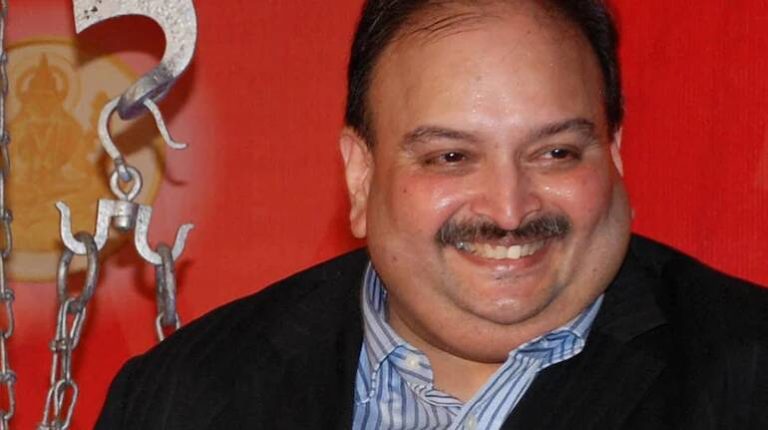
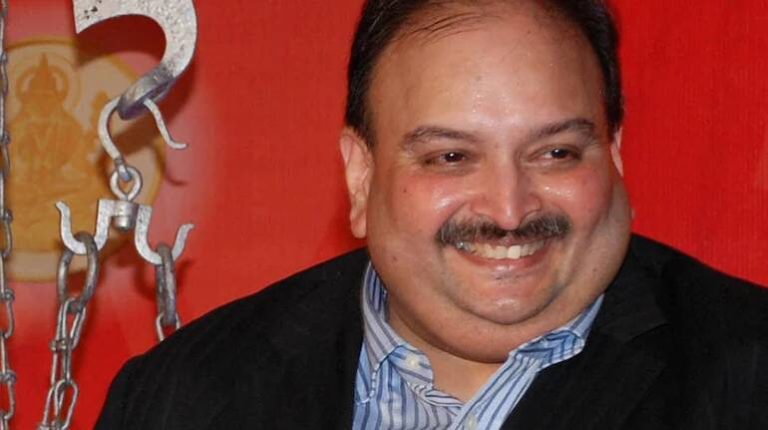
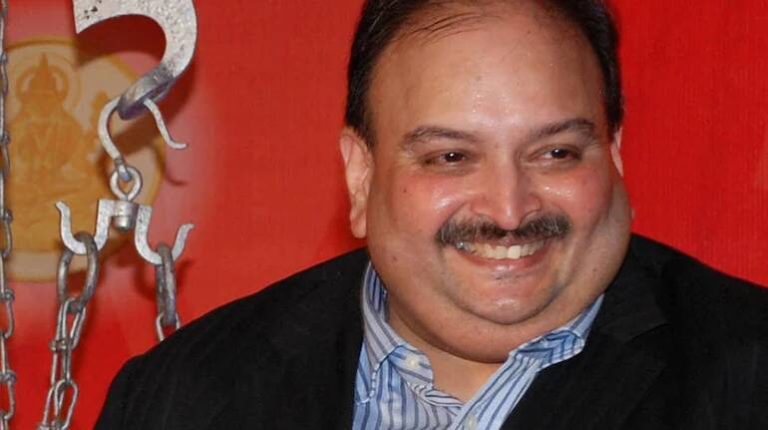
In a scathing remark, the Supreme Court of India recently dismissed a petition filed by Mehul Choksi’s son, questioning the National Spot Exchange Limited’s decision to include him in a ₹937-crore recovery suit. The court’s response was laced with sarcasm, as it asked the son, “Where’s your respected father nowadays? The country is waiting to give him a red-carpet welcome.” This statement is a clear indication of the court’s frustration with Mehul Choksi, who is an accused in the Punjab National Bank scam and is being pursued for extradition.
Mehul Choksi, a fugitive businessman, has been at the center of controversy for his alleged involvement in the Punjab National Bank (PNB) scam, which is considered one of the largest banking scams in India’s history. The scam, which was uncovered in 2018, involves the fraudulent issuance of letters of undertaking (LoUs) worth ₹13,600 crore to companies owned by Choksi and his nephew, Nirav Modi. The scam led to a massive loss for the PNB and raised questions about the bank’s governance and regulatory oversight.
Choksi, who holds an Antiguan passport, has been living in the Caribbean island nation since 2018, citing health reasons for not returning to India. However, the Indian government has been trying to extradite him to face trial in the PNB scam case. The Enforcement Directorate (ED) has also attached Choksi’s properties worth ₹1,200 crore in connection with the scam.
The recent petition filed by Choksi’s son was an attempt to distance himself from his father’s business dealings and the recovery suit filed by the National Spot Exchange Limited. However, the Supreme Court’s dismissal of the petition suggests that the court is not buying into the argument that Choksi’s son is not liable for his father’s actions.
The court’s remark, “Where’s your respected father nowadays? The country is waiting to give him a red-carpet welcome,” is a clear indication of its frustration with Choksi’s continued absence from India. The use of the phrase “red-carpet welcome” is ironic, as it is typically used to describe a warm and grand reception. In this context, however, it is meant to convey the court’s skepticism about Choksi’s claims of illness and its expectation that he will be brought to justice.
The PNB scam has raised questions about the Indian banking system’s vulnerability to fraud and the need for stricter regulatory oversight. The scam has also highlighted the challenges faced by Indian authorities in bringing fugitive businessmen to justice. The case of Mehul Choksi is a prime example of the difficulties faced by the Indian government in extraditing fugitives who have managed to flee the country and obtain citizenship in other nations.
The Supreme Court’s decision to dismiss Choksi’s son’s petition is a significant development in the PNB scam case. It suggests that the court is determined to hold those involved in the scam accountable, regardless of their family connections or attempts to distance themselves from the wrongdoing. The court’s remark about Choksi’s absence from India is also a clear message to other fugitive businessmen who may be thinking of fleeing the country to avoid prosecution.
In conclusion, the Supreme Court’s decision to dismiss Mehul Choksi’s son’s petition is a significant development in the PNB scam case. The court’s remark about Choksi’s absence from India is a clear indication of its frustration with his continued evasion of justice. As the Indian government continues to pursue Choksi’s extradition, it is clear that the country is waiting to bring him to justice. The case of Mehul Choksi serves as a reminder of the need for stricter regulatory oversight and the importance of holding those involved in financial crimes accountable.
About the Author