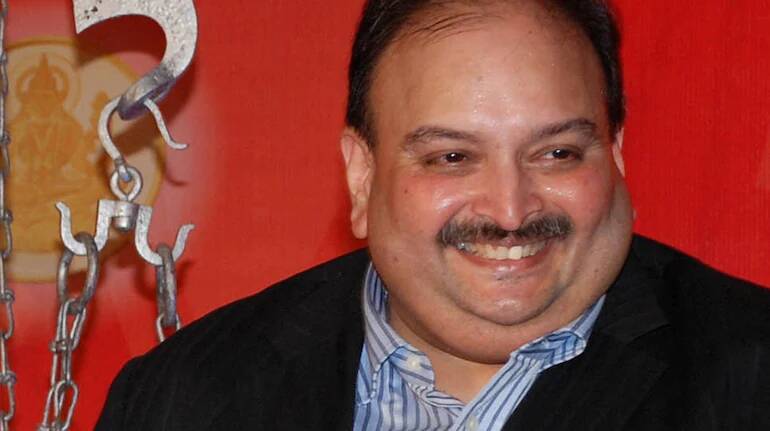
Where’s your father, country waiting to give him red carpet: SC to Choksi’s son
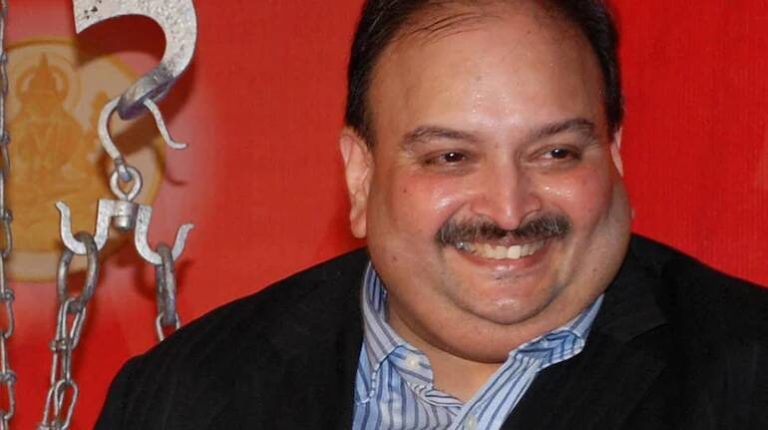
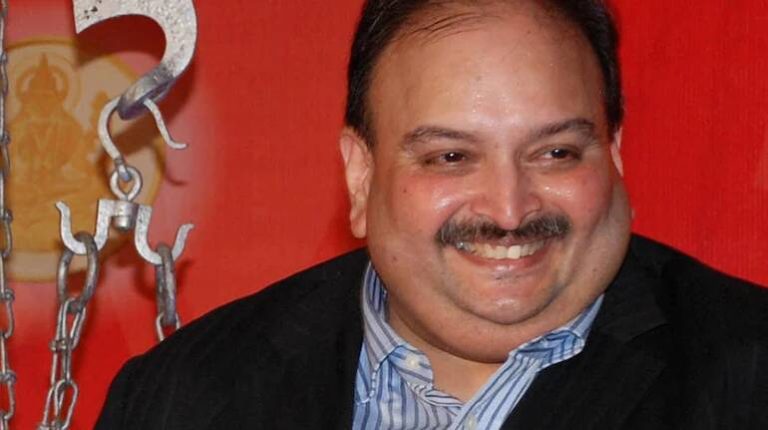
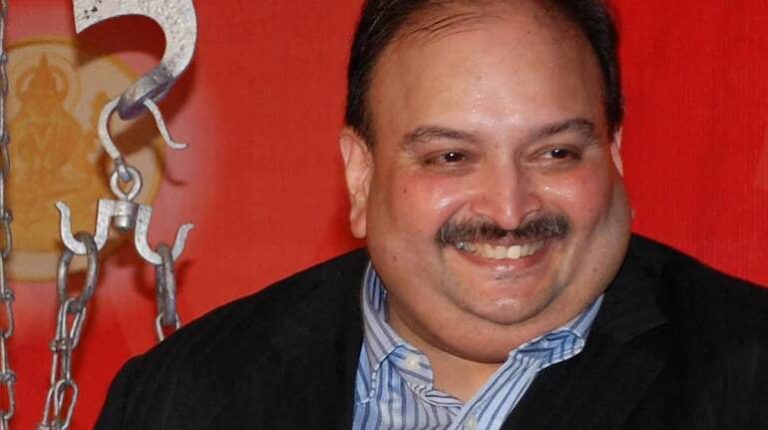
In a scathing remark, the Supreme Court of India recently dismissed a petition filed by Mehul Choksi’s son, asking him a pointed question – “Where’s your respected father nowadays? The country is waiting to give him a red-carpet welcome.” The court’s comment came in response to a petition filed by Choksi’s son against the National Spot Exchange Limited’s decision to include him in a ₹937-crore recovery suit. The suit is related to the Punjab National Bank scam, in which Mehul Choksi is an accused and is being pursued for extradition.
The Punjab National Bank scam, which came to light in 2018, is one of the largest banking scams in Indian history. Mehul Choksi, a diamond merchant and owner of Gitanjali Gems, is accused of defrauding the bank of over ₹13,000 crore. Choksi, along with his nephew Nirav Modi, is alleged to have used fake guarantees to obtain loans from the bank, which were then used to fund their business operations. The scam led to a massive outcry, with many calling for stricter regulations and greater oversight of the banking sector.
Mehul Choksi has been on the run since the scam came to light, and is currently believed to be living in Antigua and Barbuda, a Caribbean island nation. Despite efforts by the Indian government to extradite him, Choksi has managed to evade capture, citing health reasons and other excuses. The Indian government has been trying to bring Choksi back to the country to face trial, but so far, its efforts have been unsuccessful.
The Supreme Court’s comment, while sarcastic, reflects the frustration and anger that many Indians feel towards Mehul Choksi and others like him who have managed to evade justice. The court’s remark is also a reflection of the widespread perception that those who are wealthy and well-connected are able to avoid accountability and escape punishment for their crimes.
The petition filed by Choksi’s son was an attempt to avoid being included in the recovery suit, which seeks to recover the losses incurred by the National Spot Exchange Limited due to the scam. However, the court was unsympathetic to the petition, and dismissed it, saying that Choksi’s son had failed to provide any valid reasons for why he should not be included in the suit.
The case highlights the challenges faced by Indian authorities in bringing fugitive economic offenders to justice. Despite the passage of the Fugitive Economic Offenders Act in 2018, which allows for the confiscation of assets and the prosecution of those who flee the country to avoid prosecution, many accused individuals have managed to evade capture and avoid punishment.
The Indian government has been trying to strengthen its laws and regulations to prevent such scams from happening in the future. The government has also been working to improve its ability to track down and extradite fugitive economic offenders, and has signed extradition treaties with several countries, including Antigua and Barbuda.
In conclusion, the Supreme Court’s remark to Mehul Choksi’s son is a reflection of the widespread frustration and anger towards those who have managed to evade justice. The case highlights the challenges faced by Indian authorities in bringing fugitive economic offenders to justice, and the need for stronger laws and regulations to prevent such scams from happening in the future. As the country waits for Mehul Choksi to face justice, it is clear that the road to recovery and accountability will be long and difficult.
About the Author