What is ‘Sell America’ trade, resurfaced after probe involving Fed’s Powell?
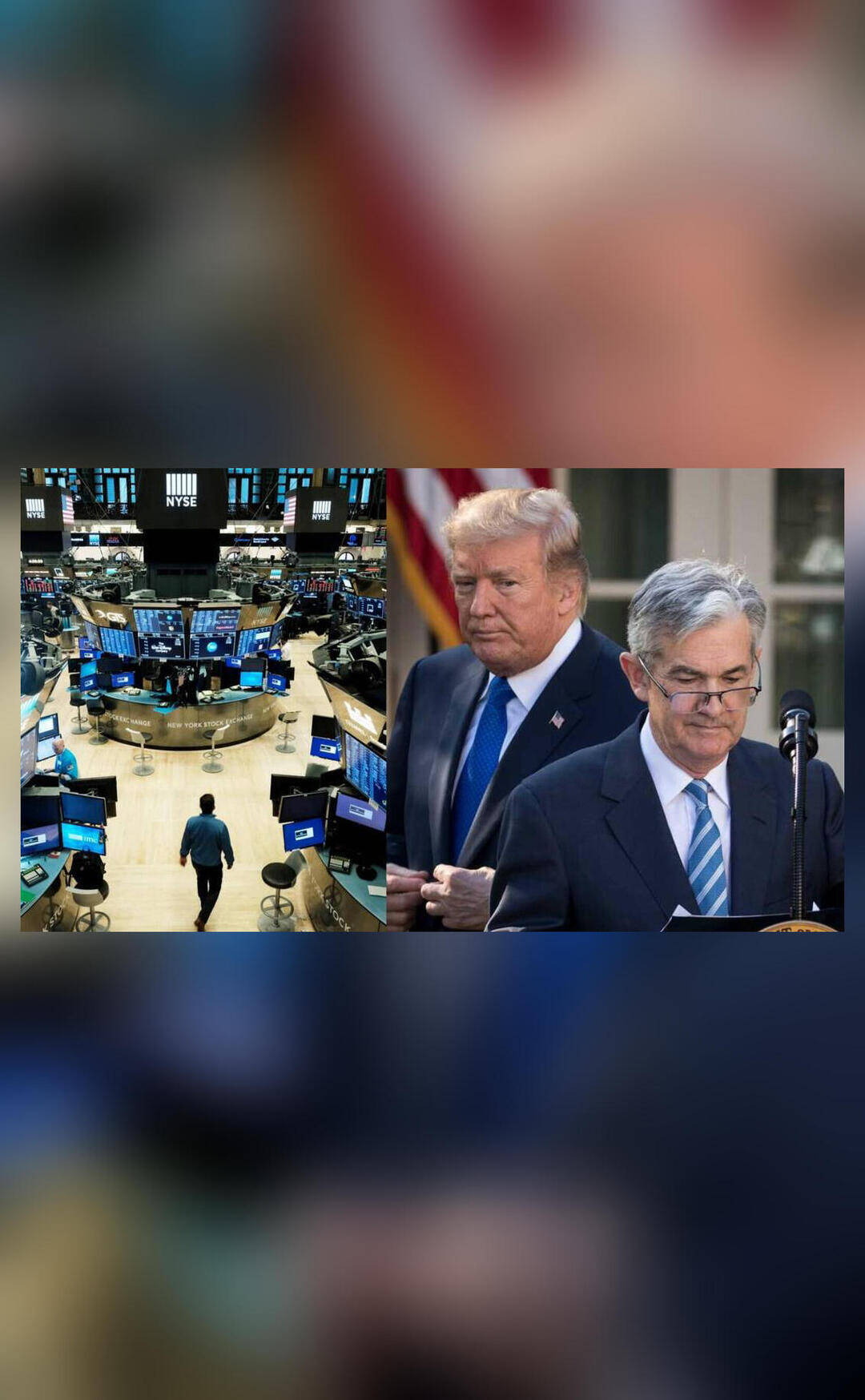
The ‘Sell America’ trade emerged in US markets on Monday after federal prosecutors opened a criminal investigation into Federal Reserve chair Jerome Powell. The term refers to a situation when investors lose confidence in the US economy or its leadership. When this happens, they start selling US stocks, US government bonds, and the US dollar all at the same time. This phenomenon is a rare occurrence, but it can have significant implications for the US economy and financial markets.
The ‘Sell America’ trade is often seen as a vote of no confidence in the US economy and its leadership. It is a situation where investors are so bearish on the US that they are willing to sell all types of US assets, including stocks, bonds, and the currency. This can lead to a sharp decline in the value of these assets, which can have a ripple effect on the entire economy.
The current probe into Federal Reserve chair Jerome Powell has sparked fears among investors that the independence of the Federal Reserve is at risk. The Federal Reserve is responsible for setting monetary policy in the US, and its independence is seen as crucial for maintaining the stability of the financial system. If investors perceive that the Federal Reserve is not independent, they may lose confidence in the US economy and start selling US assets.
The ‘Sell America’ trade is not a new phenomenon. It has occurred in the past, particularly during times of economic crisis or when there are concerns about the leadership of the US economy. For example, during the 2008 financial crisis, there were concerns about the stability of the US financial system, and investors started selling US assets. Similarly, during the 2011 debt ceiling crisis, there were concerns about the US government’s ability to manage its debt, and investors started selling US assets.
However, the current situation is different. The probe into Federal Reserve chair Jerome Powell is seen as a threat to the independence of the Federal Reserve, which is a critical institution for maintaining the stability of the financial system. If the Federal Reserve is not independent, it may not be able to set monetary policy effectively, which can lead to higher inflation, higher interest rates, and a slower economy.
The implications of the ‘Sell America’ trade are significant. If investors start selling US assets, it can lead to a sharp decline in the value of these assets, which can have a ripple effect on the entire economy. For example, if investors sell US stocks, it can lead to a decline in the stock market, which can reduce consumer spending and investment. Similarly, if investors sell US government bonds, it can lead to higher interest rates, which can make borrowing more expensive and reduce economic growth.
The ‘Sell America’ trade can also have implications for the US dollar. If investors start selling US assets, it can lead to a decline in the value of the US dollar, which can make imports more expensive and reduce exports. This can lead to a trade deficit, which can reduce economic growth.
In conclusion, the ‘Sell America’ trade is a rare phenomenon that occurs when investors lose confidence in the US economy or its leadership. The current probe into Federal Reserve chair Jerome Powell has sparked fears among investors that the independence of the Federal Reserve is at risk, which has led to the emergence of the ‘Sell America’ trade. The implications of this trade are significant, and it can have a ripple effect on the entire economy. It is essential for policymakers to take steps to maintain the independence of the Federal Reserve and to restore investor confidence in the US economy.
The ‘Sell America’ trade is a reminder that the US economy is not immune to external shocks and that investor confidence is crucial for maintaining economic stability. It is essential for investors to be aware of the risks associated with the ‘Sell America’ trade and to take steps to diversify their portfolios and reduce their exposure to US assets.
As the situation continues to unfold, it is essential to monitor the developments closely and to be prepared for any potential implications. The ‘Sell America’ trade is a complex phenomenon that requires careful analysis and consideration. It is essential to understand the underlying factors that are driving this trade and to take steps to mitigate its implications.
In the meantime, investors should be cautious and should consider diversifying their portfolios to reduce their exposure to US assets. They should also be prepared for any potential implications of the ‘Sell America’ trade and should have a plan in place to mitigate its effects.
About the Author