What is ‘Sell America’ trade, resurfaced after probe involving Fed’s Powell?
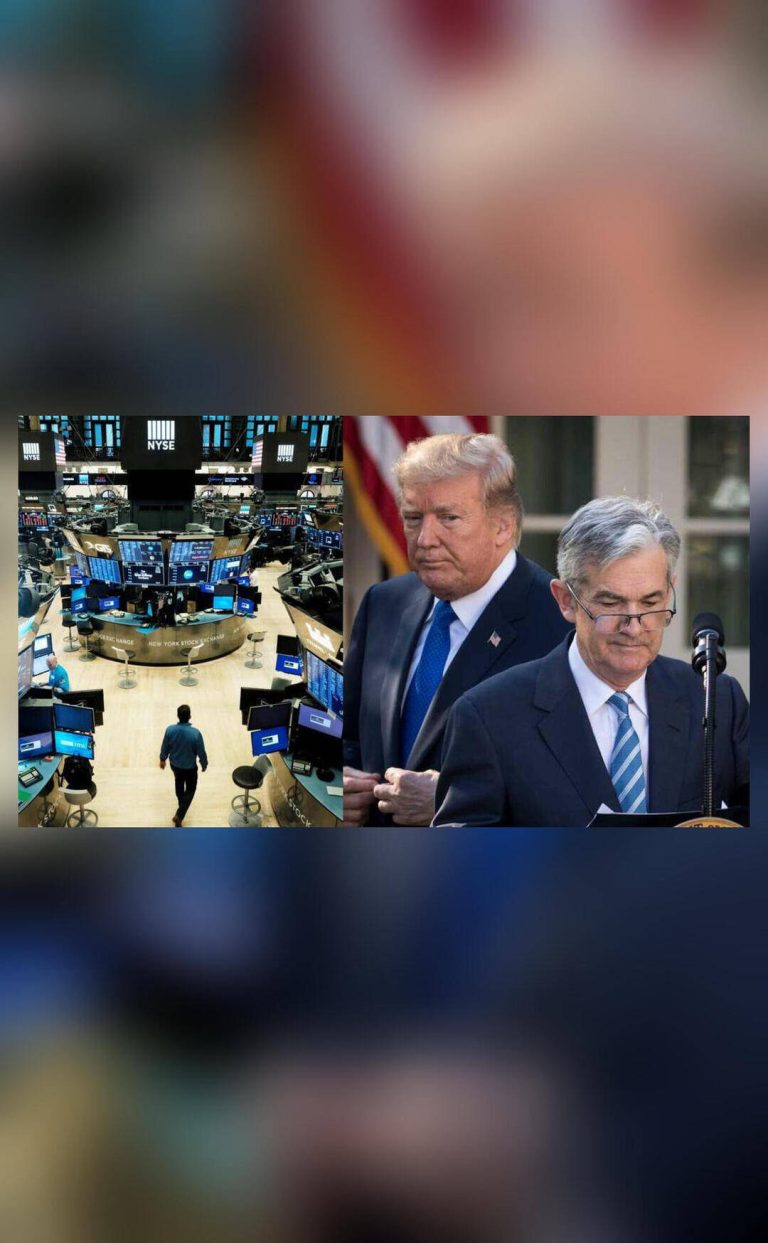
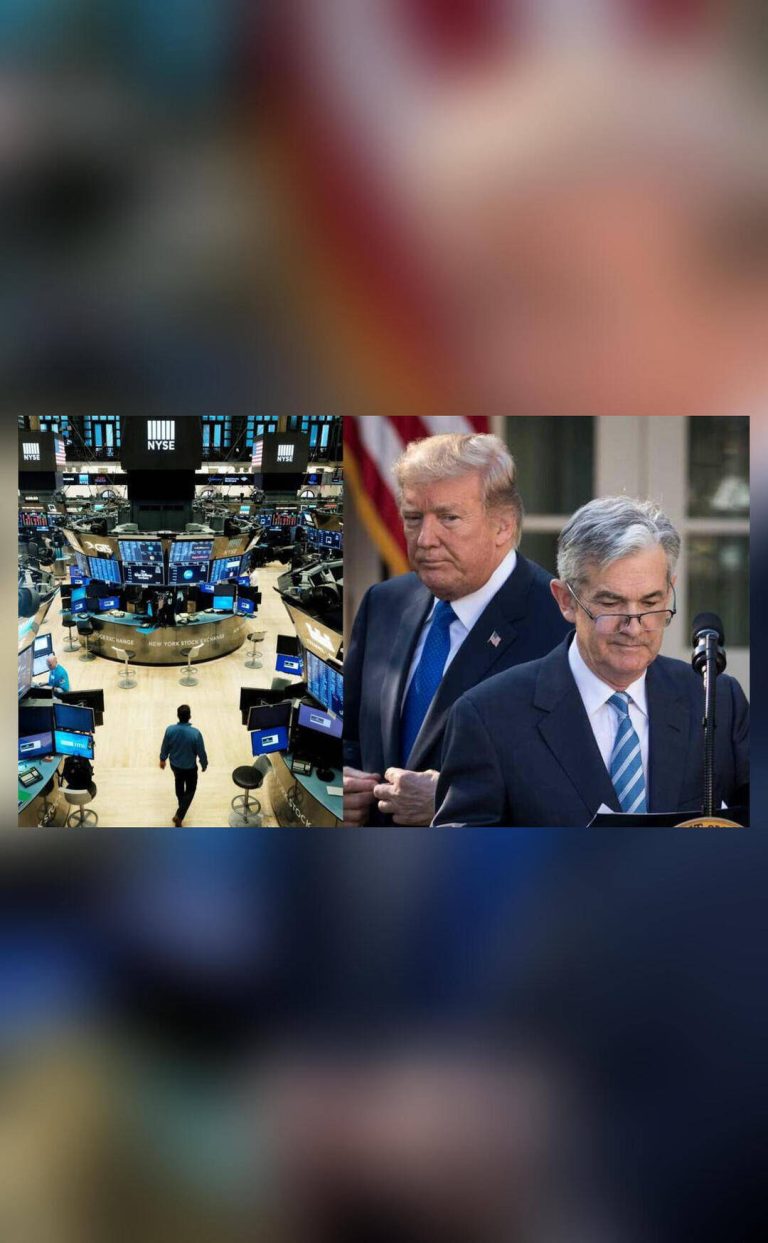
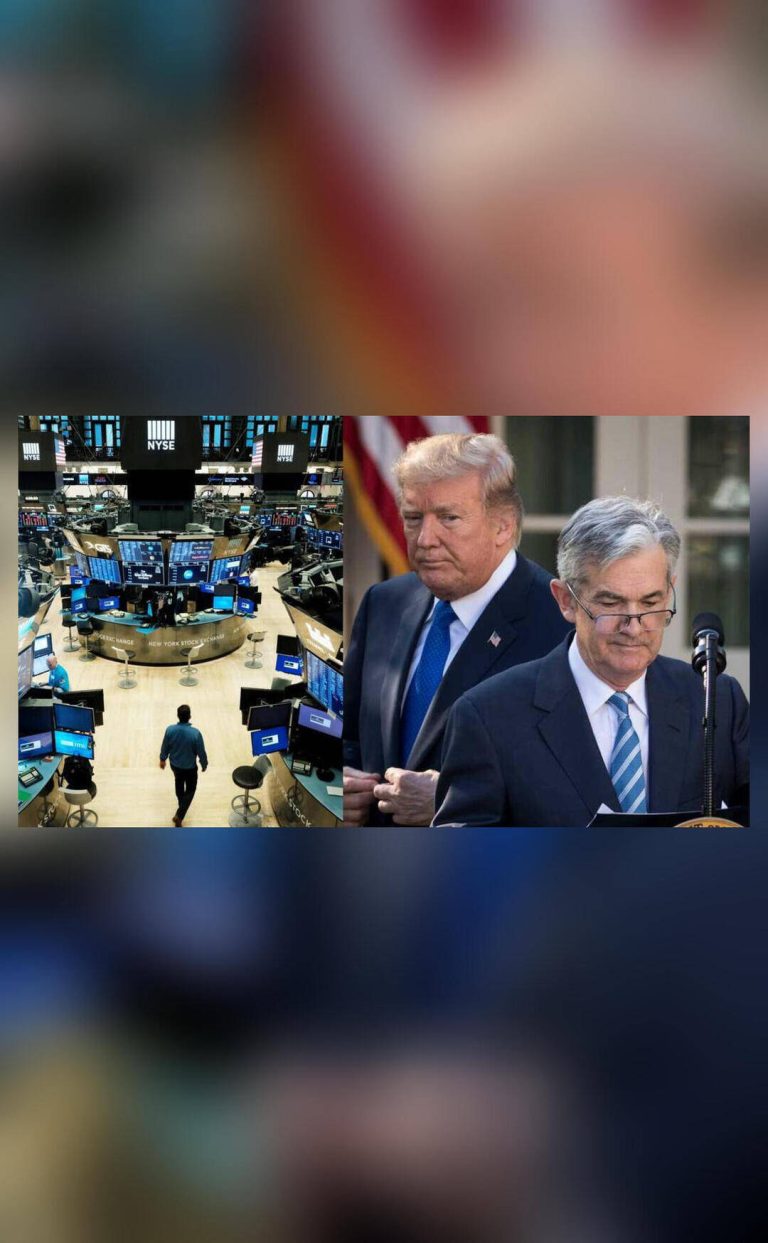
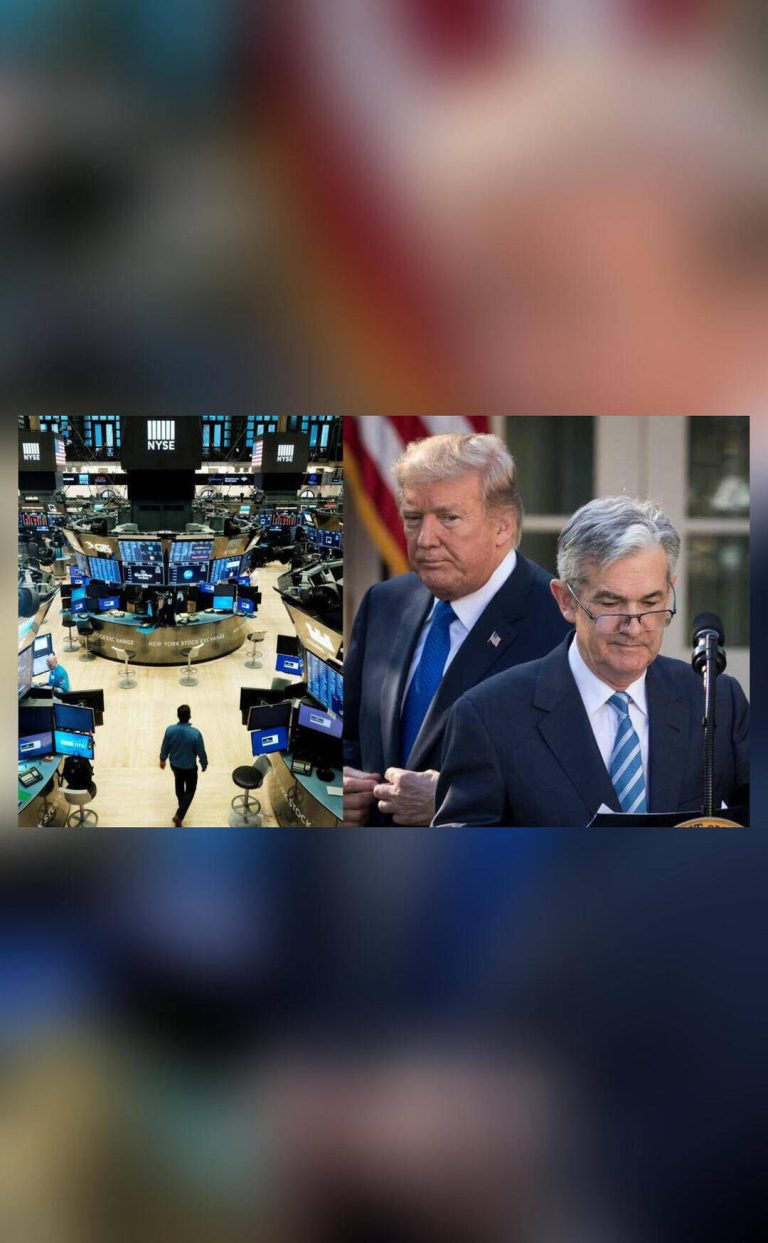
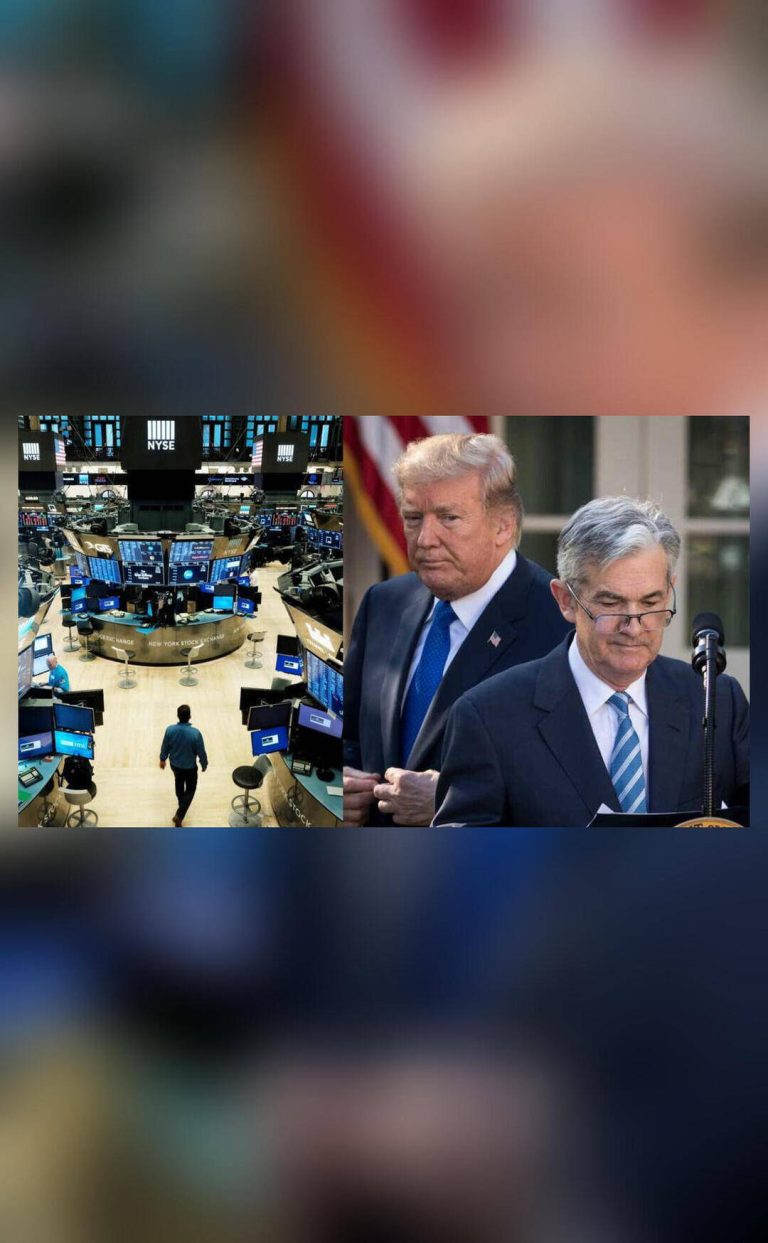
The US financial markets were abuzz on Monday with the emergence of the ‘Sell America’ trade, a phenomenon that occurs when investors lose confidence in the US economy or its leadership. This sudden loss of faith leads to a simultaneous sell-off of US stocks, US government bonds, and the US dollar. The trigger for this event was the launch of a criminal investigation into Federal Reserve chair Jerome Powell by federal prosecutors. The probe has sparked concerns among investors about the independence of the Federal Reserve, a crucial institution in the US economic system.
The ‘Sell America’ trade is not a new concept, but it has gained significant attention in recent years due to the increasing global economic uncertainty. When investors lose confidence in the US economy, they tend to pull out their investments from the country, leading to a decline in the value of US assets. This, in turn, can have far-reaching consequences for the global economy, as the US is one of the largest and most influential economies in the world.
The current investigation into Jerome Powell has raised questions about the independence of the Federal Reserve, which is essential for maintaining the stability of the US economy. The Federal Reserve, also known as the Fed, is responsible for setting monetary policies, regulating banks, and maintaining the overall health of the US financial system. Any perceived interference in the Fed’s independence can lead to a loss of confidence among investors, triggering the ‘Sell America’ trade.
The ‘Sell America’ trade is often seen as a vote of no confidence in the US economy or its leadership. When investors sell US assets, they are essentially betting against the country’s economic prospects. This can have a ripple effect on the global economy, as the US is a significant player in international trade and finance. A decline in the value of US assets can lead to a decrease in investor sentiment, causing a chain reaction of sell-offs in other markets.
The investigation into Jerome Powell has also raised concerns about the potential for political interference in the Federal Reserve’s decision-making process. The Fed is designed to be an independent institution, free from political influence, to ensure that its decisions are based solely on economic considerations. Any perception that the Fed is not independent can lead to a loss of confidence among investors, triggering the ‘Sell America’ trade.
The ‘Sell America’ trade is not limited to US assets; it can also have an impact on other markets. When investors sell US assets, they often seek safer havens, such as gold, bonds, or other currencies. This can lead to a decrease in the value of the US dollar, making imports more expensive and potentially leading to higher inflation. The sell-off can also have a negative impact on other economies that are closely tied to the US, such as Canada and Mexico.
The emergence of the ‘Sell America’ trade has significant implications for investors, policymakers, and the general public. It highlights the importance of maintaining investor confidence in the US economy and the need for the Federal Reserve to remain independent. The investigation into Jerome Powell serves as a reminder that the US economic system is not immune to political interference and that the independence of institutions like the Fed is crucial for maintaining stability.
In conclusion, the ‘Sell America’ trade is a phenomenon that occurs when investors lose confidence in the US economy or its leadership. The current investigation into Jerome Powell has sparked concerns about the independence of the Federal Reserve, leading to a sell-off of US assets. The implications of this event are far-reaching, and it highlights the importance of maintaining investor confidence in the US economy. As the investigation unfolds, it is essential to monitor the developments and their potential impact on the global economy.
About the Author