What is ‘Sell America’ trade, resurfaced after probe involving Fed’s Powell?
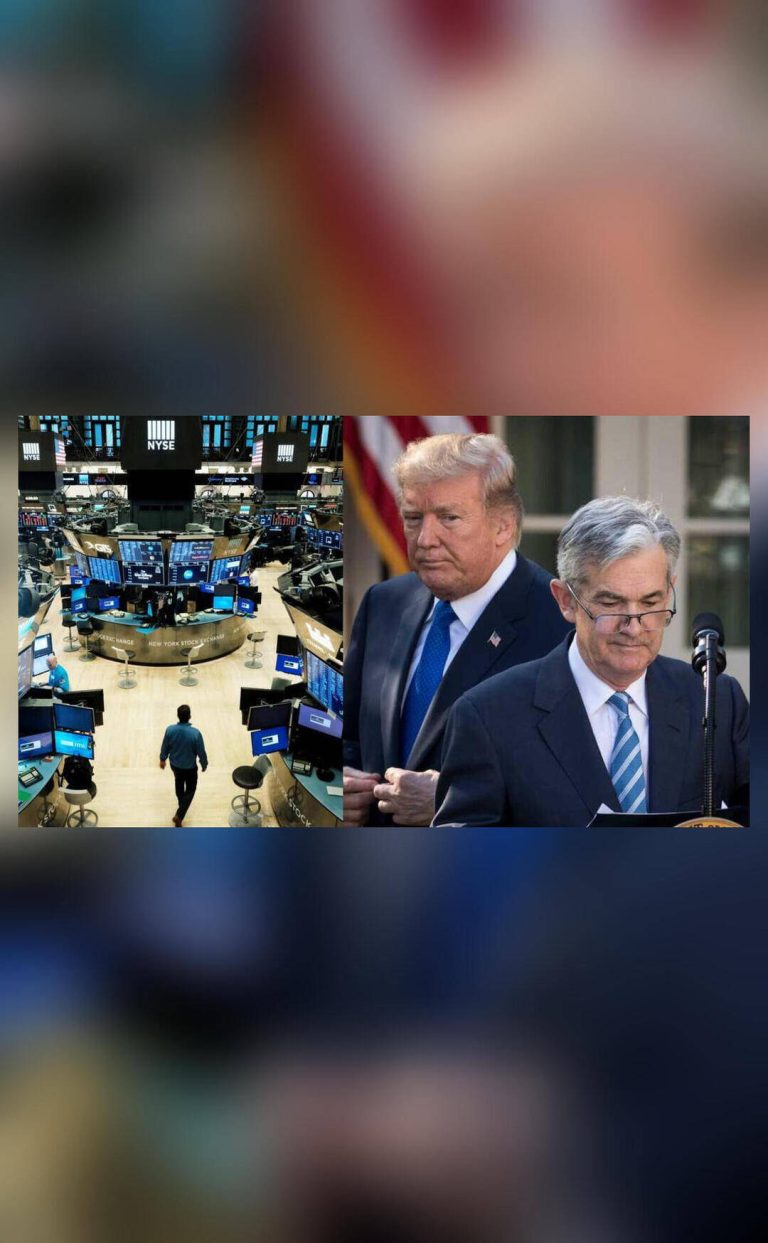
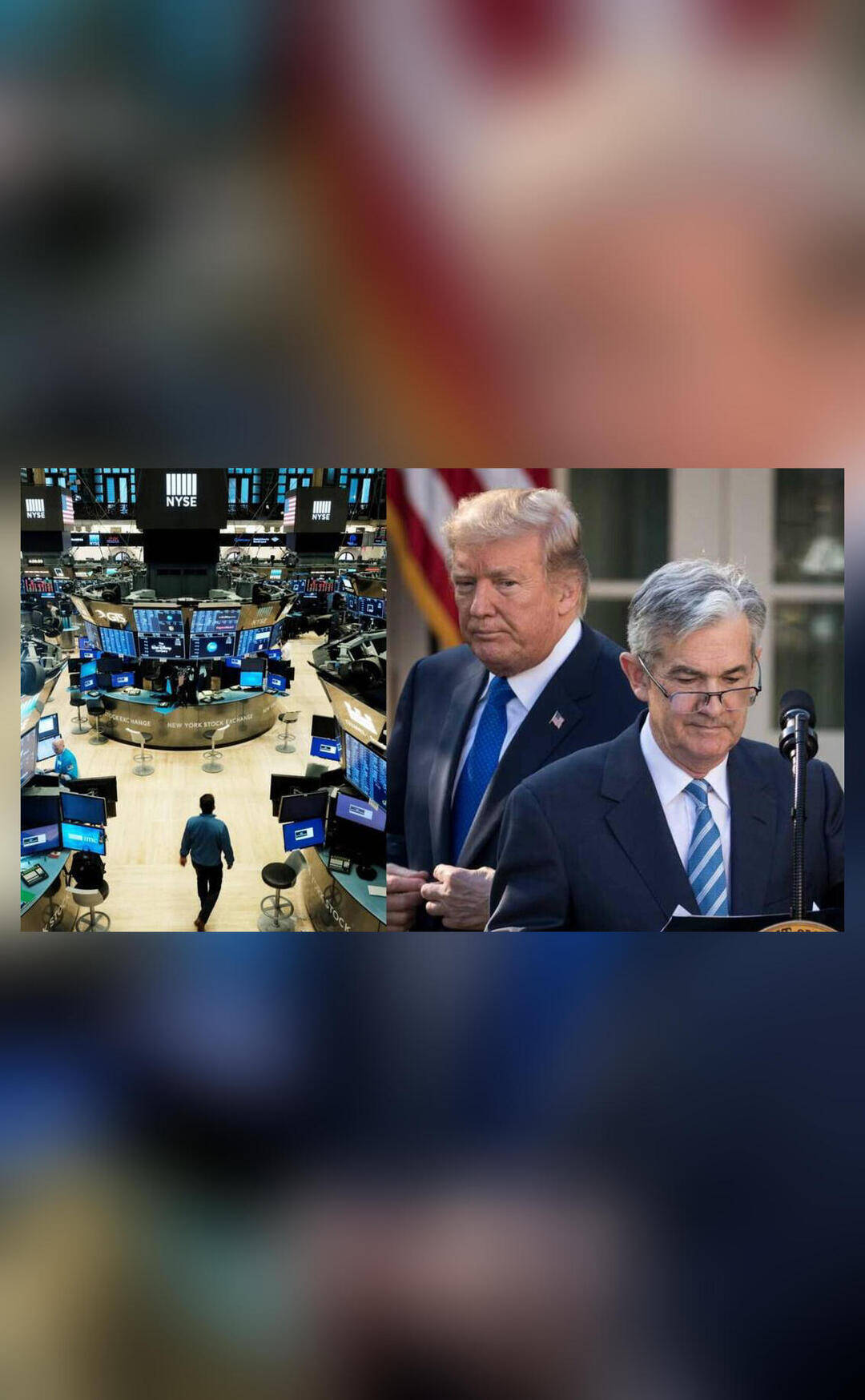
The ‘Sell America’ trade has reemerged in US markets, sparking concerns among investors and economists alike. This phenomenon occurred on Monday after federal prosecutors launched a criminal investigation into Federal Reserve chair Jerome Powell. The term ‘Sell America’ trade refers to a situation where investors lose confidence in the US economy or its leadership, prompting them to sell US stocks, US government bonds, and the US dollar simultaneously.
When investors lose faith in the US economy, they tend to withdraw their investments from the country, leading to a decline in the value of US assets. This can have far-reaching consequences, including a drop in stock prices, a decrease in the value of the US dollar, and a rise in bond yields. The ‘Sell America’ trade is often seen as a vote of no confidence in the US economy and its leadership, and it can have significant implications for the global economy.
The investigation into Federal Reserve chair Jerome Powell has raised concerns about the independence of the Federal Reserve, which is a critical institution in maintaining the stability of the US economy. The Federal Reserve is responsible for setting monetary policy, including interest rates, and its decisions have a significant impact on the US economy. If investors perceive that the Federal Reserve is not independent, they may lose confidence in the institution and the US economy as a whole.
The ‘Sell America’ trade is not a new phenomenon. It has occurred in the past when investors have lost confidence in the US economy or its leadership. For example, during the 2008 financial crisis, investors sold US stocks, bonds, and the US dollar, leading to a significant decline in the value of US assets. Similarly, during the 2011 debt ceiling crisis, investors lost confidence in the US government’s ability to manage its debt, leading to a sell-off of US assets.
The current ‘Sell America’ trade is being driven by concerns about the independence of the Federal Reserve and the potential implications of the investigation into Powell. Investors are worried that the investigation could lead to a loss of confidence in the Federal Reserve and the US economy, prompting them to sell their US assets. This could lead to a decline in the value of the US dollar, a rise in bond yields, and a drop in stock prices.
The implications of the ‘Sell America’ trade are significant. A decline in the value of US assets could lead to a decrease in foreign investment in the US, which could have a negative impact on the US economy. Additionally, a rise in bond yields could make it more expensive for the US government to borrow money, which could lead to an increase in the national debt. A drop in stock prices could also lead to a decline in consumer spending, which could have a negative impact on the US economy.
In conclusion, the ‘Sell America’ trade has resurfaced in US markets, driven by concerns about the independence of the Federal Reserve and the investigation into Powell. This phenomenon has significant implications for the US economy and the global economy. Investors are losing confidence in the US economy and its leadership, prompting them to sell US stocks, bonds, and the US dollar. The implications of this trade are far-reaching, and it is essential to monitor the situation closely to understand its potential impact on the global economy.
The investigation into Powell and the ‘Sell America’ trade have also raised concerns about the potential for a global economic downturn. If investors continue to lose confidence in the US economy, it could lead to a decline in global trade and investment, which could have a negative impact on the global economy. Therefore, it is crucial to address the concerns about the independence of the Federal Reserve and the US economy to prevent a potential global economic downturn.
In the short term, the ‘Sell America’ trade is likely to continue, driven by concerns about the investigation into Powell and the independence of the Federal Reserve. However, in the long term, the US economy is likely to remain resilient, driven by its strong fundamentals and the actions of the Federal Reserve. The Federal Reserve has a history of maintaining the stability of the US economy, and it is likely to continue to do so in the future.
The ‘Sell America’ trade is a reminder of the importance of maintaining confidence in the US economy and its leadership. Investors need to have confidence in the ability of the US government and the Federal Reserve to manage the economy and maintain its stability. If investors lose confidence, it can lead to a decline in the value of US assets, which can have significant implications for the US economy and the global economy.
In conclusion, the ‘Sell America’ trade has resurfaced in US markets, driven by concerns about the independence of the Federal Reserve and the investigation into Powell. This phenomenon has significant implications for the US economy and the global economy. It is essential to monitor the situation closely and address the concerns about the independence of the Federal Reserve and the US economy to prevent a potential global economic downturn.
About the Author