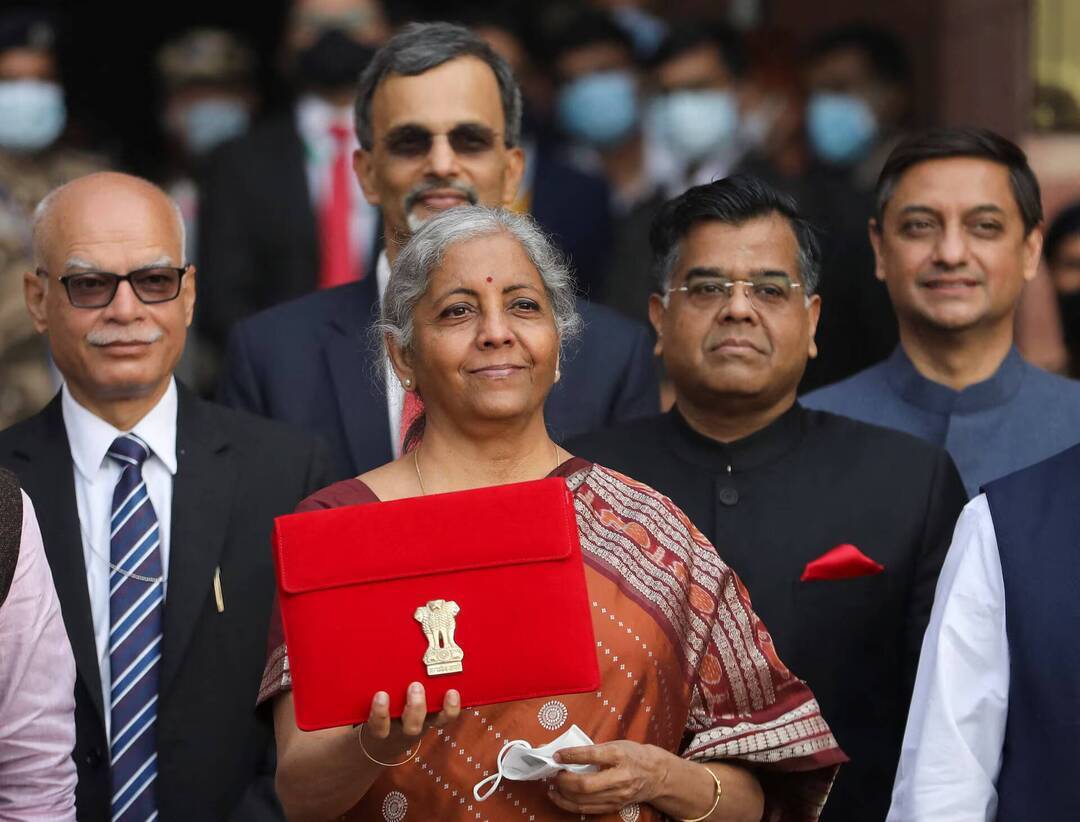
What is Economic Survey and why is it important?
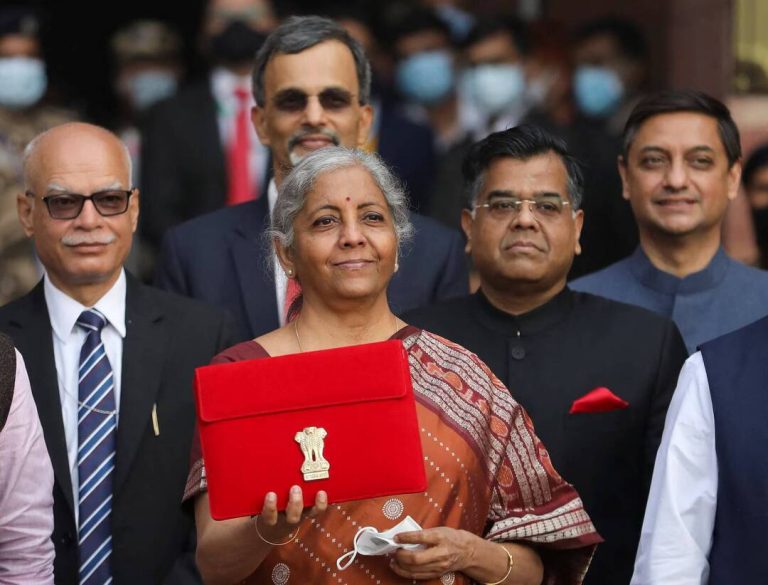
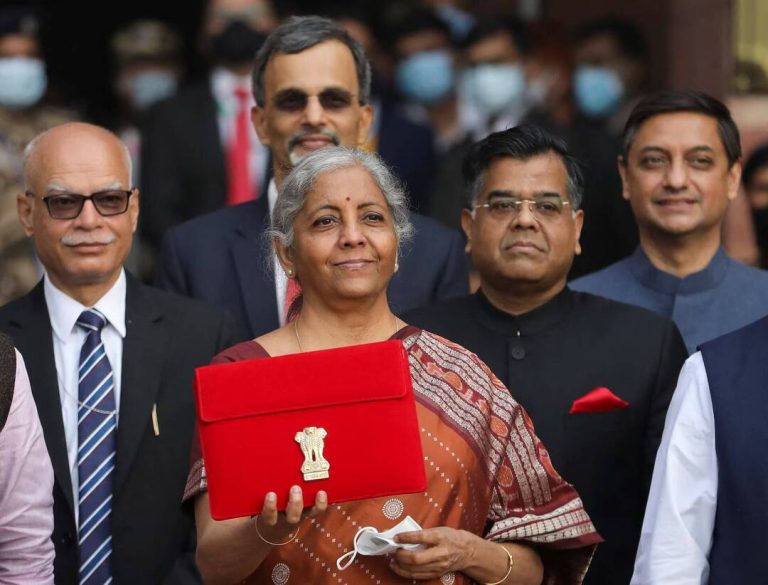
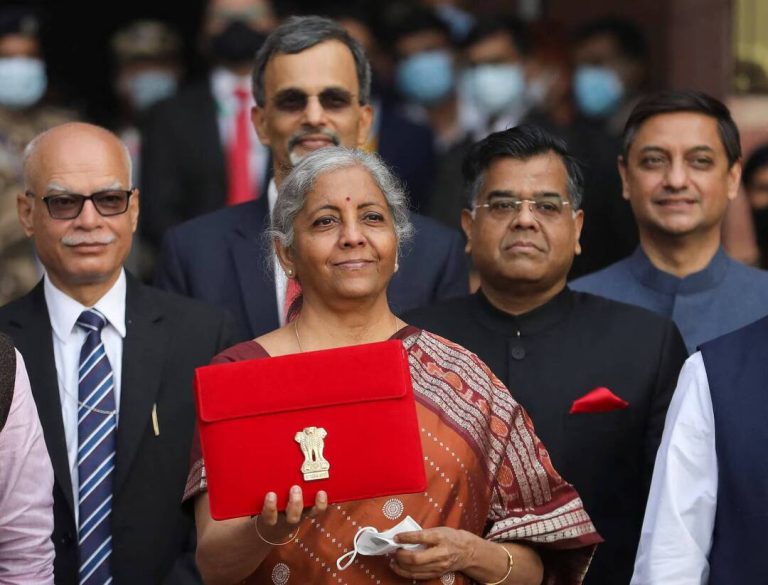
The Economic Survey is an annual report prepared by the Finance Ministry that reviews the country’s economic performance over the past year, covering key sectors such as agriculture, industry, and services. It includes facts, trends, and predictions for the year ahead, along with the problems, achievements, and suggestions for improvement. The survey, which helps guide policy decisions, is usually presented in Parliament a day before the Union Budget.
The Economic Survey is a comprehensive document that provides an in-depth analysis of the country’s economic situation, highlighting the strengths and weaknesses of the economy. It is prepared by the Department of Economic Affairs, Ministry of Finance, and is presented to both houses of Parliament. The survey is an important tool for policymakers, as it provides them with a detailed understanding of the economy and helps them make informed decisions about the country’s economic development.
Key Components of the Economic Survey
The Economic Survey typically includes several key components, including:
- Overview of the Economy: This section provides an overview of the country’s economic performance over the past year, including key indicators such as GDP growth, inflation, and fiscal deficit.
- Sectoral Analysis: This section provides a detailed analysis of key sectors such as agriculture, industry, and services, highlighting their performance over the past year and identifying areas for improvement.
- Fiscal Policy: This section discusses the government’s fiscal policy, including tax reforms, expenditure management, and public debt management.
- Monetary Policy: This section discusses the monetary policy framework, including interest rates, money supply, and credit growth.
- External Sector: This section provides an analysis of the country’s external sector, including trade, foreign investment, and exchange rates.
- Human Development: This section discusses issues related to human development, including education, health, and poverty reduction.
- Sustainable Development: This section discusses issues related to sustainable development, including climate change, energy security, and environmental protection.
Why is the Economic Survey Important?
The Economic Survey is important for several reasons:
- Informs Policy Decisions: The survey provides policymakers with a detailed understanding of the economy, helping them make informed decisions about the country’s economic development.
- Guides Budget Making: The survey helps guide the budget-making process, identifying areas where government intervention is needed and providing recommendations for resource allocation.
- Promotes Transparency: The survey promotes transparency and accountability in governance, providing citizens with a detailed understanding of the country’s economic performance and the government’s policy initiatives.
- Supports Investment Decisions: The survey provides investors with a detailed understanding of the country’s economic situation, helping them make informed investment decisions.
- Facilitates International Cooperation: The survey facilitates international cooperation, providing a framework for dialogue and cooperation with other countries on economic issues.
When is the Economic Survey Presented?
The Economic Survey is usually presented in Parliament a day before the Union Budget. The survey is presented to both houses of Parliament, and it is available to the public on the Ministry of Finance’s website.
Conclusion
In conclusion, the Economic Survey is an important document that provides a comprehensive analysis of the country’s economic performance over the past year. It is a key tool for policymakers, helping them make informed decisions about the country’s economic development. The survey is also important for citizens, providing them with a detailed understanding of the country’s economic situation and the government’s policy initiatives. As we approach the Union Budget 2026, it is essential to understand the significance of the Economic Survey and its role in guiding policy decisions.
About the Author