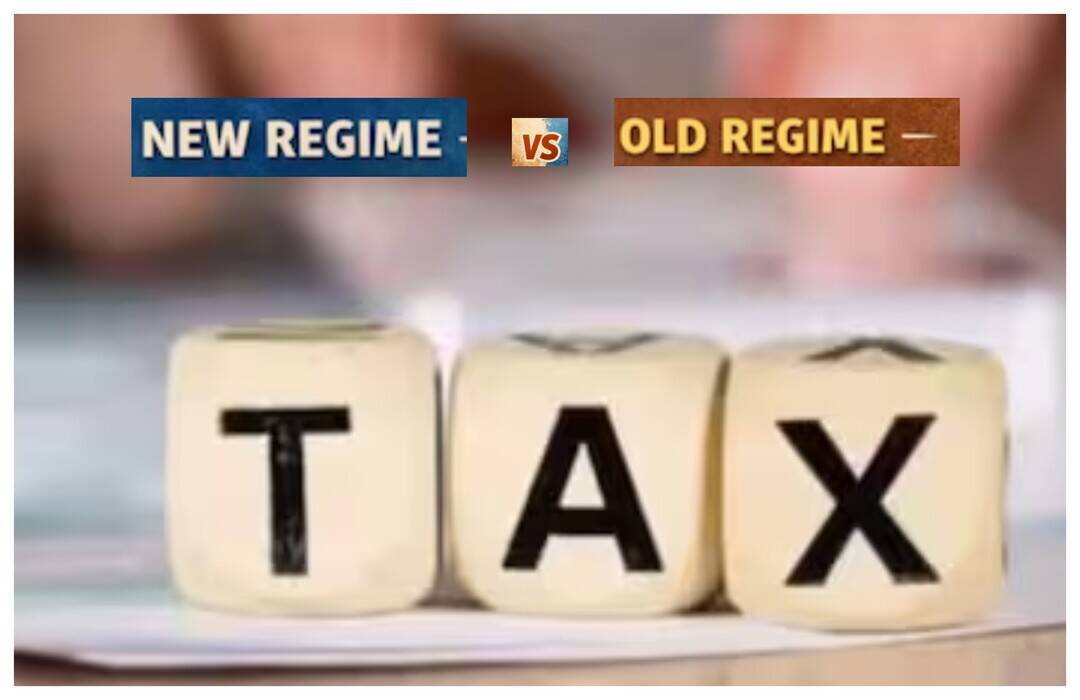
What are Income Tax rates under new & old tax regime as govt made no changes this year?
The Budget 2026 has been announced, and as expected, it has brought about a mix of emotions among the citizens of India. One of the most anticipated aspects of the budget was the revision of income tax rates. However, the government has decided to keep the personal income tax rates unchanged, leaving many wondering what this means for their finances. In this article, we will delve into the details of the income tax rates under both the new and old tax regimes, and what it entails for taxpayers.
Under the new tax regime, which was introduced in 2020, the income tax rates are as follows:
- Income up to ₹12 lakh is tax-free
- 15% tax for income between ₹12 lakh and ₹16 lakh
- 20% tax for income between ₹16 lakh and ₹20 lakh
- 25% tax for income between ₹20 lakh and ₹24 lakh
- 30% tax for income above ₹24 lakh
On the other hand, the old tax regime has the following income tax rates:
- 0% tax for income up to ₹2.5 lakh
- 5% tax for income between ₹2.5 lakh and ₹5 lakh
- 20% tax for income between ₹5 lakh and ₹10 lakh
- 30% tax for income above ₹10 lakh
As evident, the new tax regime offers a higher tax-free limit, but the tax rates are higher for higher income brackets. The old tax regime, on the other hand, has lower tax rates for lower income brackets, but the tax-free limit is significantly lower.
The decision to keep the income tax rates unchanged has been met with mixed reactions. While some are relieved that their tax burden will not increase, others are disappointed that the government did not provide any relief to taxpayers. The lack of changes to the tax rates may also mean that taxpayers will not have to worry about re-evaluating their tax planning strategies, at least for now.
It is worth noting that the new tax regime is optional, and taxpayers can choose to opt for either the new or the old tax regime. The choice between the two regimes depends on various factors, including the individual’s income level, deductions, and exemptions. Taxpayers who have a high amount of deductions and exemptions may prefer to opt for the old tax regime, while those with fewer deductions and exemptions may find the new tax regime more beneficial.
The government’s decision to keep the income tax rates unchanged may also have implications for the economy. With no changes to the tax rates, the government may be able to maintain a stable revenue stream, which can be used to fund various development projects and initiatives. On the other hand, the lack of tax relief may mean that consumers may not have more disposable income, which can impact consumer spending and economic growth.
In conclusion, the income tax rates under the new and old tax regimes remain unchanged, with the new regime offering a higher tax-free limit but higher tax rates for higher income brackets. The decision to keep the tax rates unchanged may have both positive and negative implications for taxpayers and the economy. As always, it is essential for taxpayers to carefully evaluate their tax planning strategies and choose the tax regime that best suits their needs.
For more information on the Budget 2026 and the income tax rates, you can visit the official government website or consult with a tax expert. The details of the budget and the tax rates can also be found on various news websites, including:
About the Author