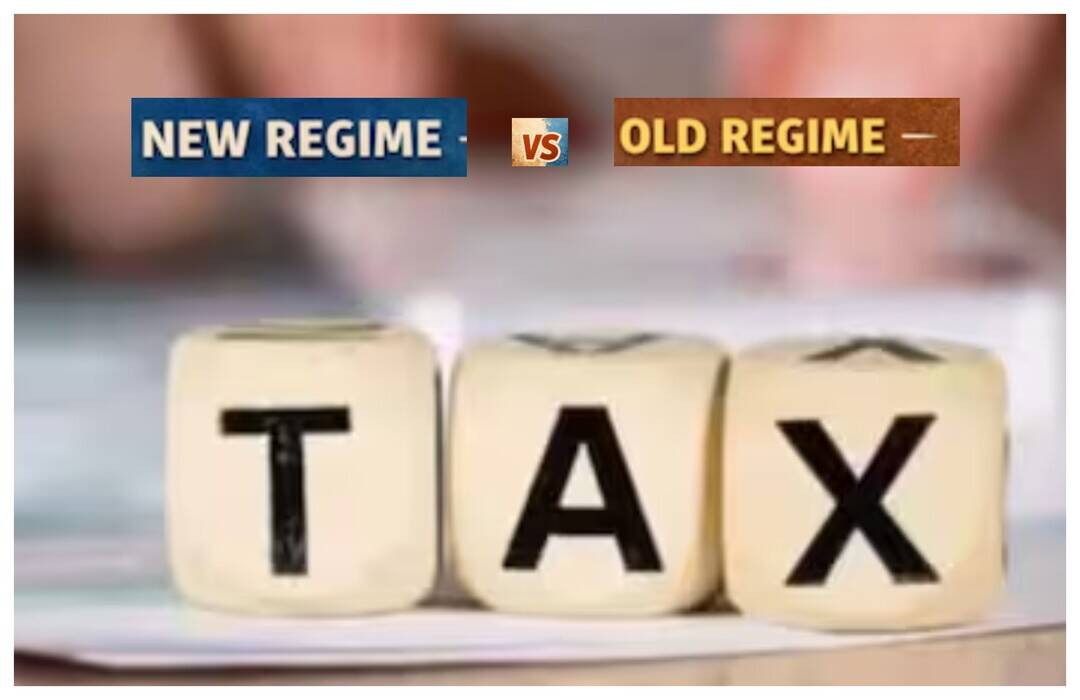
What are Income Tax rates under new & old tax regime as govt made no changes this year?
The Union Budget 2026 has been announced, and as expected, it has brought about a mix of emotions among the citizens of India. One of the most significant aspects of the budget is the income tax rates, which have been a topic of discussion for quite some time now. In this blog post, we will delve into the income tax rates under the new and old tax regimes, and explore how they will impact individuals and businesses.
Firstly, it’s essential to note that the government has made no changes to the income tax rates this year. The new tax regime, which was introduced last year, will continue to be in effect, with some minor modifications. Under the new regime, individuals with an income up to ₹12 lakh are exempt from paying taxes. This is a significant increase from the earlier exemption limit of ₹2.5 lakh under the old regime.
For individuals with an income between ₹12 lakh and ₹16 lakh, the tax rate is 15%. This slab is followed by a 20% tax rate for those with an income between ₹16 lakh and ₹20 lakh. The next slab is 25% for individuals with an income between ₹20 lakh and ₹24 lakh, and finally, 30% for those with an income above ₹24 lakh.
On the other hand, the old tax regime has a different set of slabs. Under this regime, individuals with an income up to ₹2.5 lakh are exempt from paying taxes. Those with an income between ₹2.5 lakh and ₹5 lakh have to pay a tax of 5%. The next slab is 20% for individuals with an income between ₹5 lakh and ₹10 lakh, and finally, 30% for those with an income above ₹10 lakh.
It’s worth noting that the new tax regime is optional, and individuals can choose to opt for either the new or the old regime. However, the new regime comes with certain conditions, such as the non-availability of certain exemptions and deductions.
So, how do these tax rates impact individuals and businesses? For starters, the increased exemption limit under the new regime is a welcome move, as it will provide relief to low- and middle-income individuals. The reduced tax rates under the new regime will also lead to increased disposable income, which can boost consumption and economic growth.
However, the old regime still has its advantages, particularly for those who are eligible for various exemptions and deductions. For instance, individuals who have taken a home loan can claim a deduction on the interest paid, which can significantly reduce their tax liability. Similarly, those who have invested in certain tax-saving instruments, such as public provident funds or national savings certificates, can claim deductions under the old regime.
Businesses, on the other hand, will also be impacted by the tax rates. The reduced tax rates under the new regime can lead to increased profits, which can be reinvested in the business or distributed to shareholders. However, the old regime still has its benefits, particularly for businesses that are eligible for various exemptions and deductions.
In conclusion, the income tax rates under the new and old tax regimes remain unchanged this year. While the new regime offers reduced tax rates and increased exemption limits, the old regime still has its advantages, particularly for those who are eligible for various exemptions and deductions. As the economy continues to evolve, it will be interesting to see how these tax rates impact individuals and businesses in the long run.
About the Author