What are Income Tax rates under new & old tax regime as govt made no changes this year?
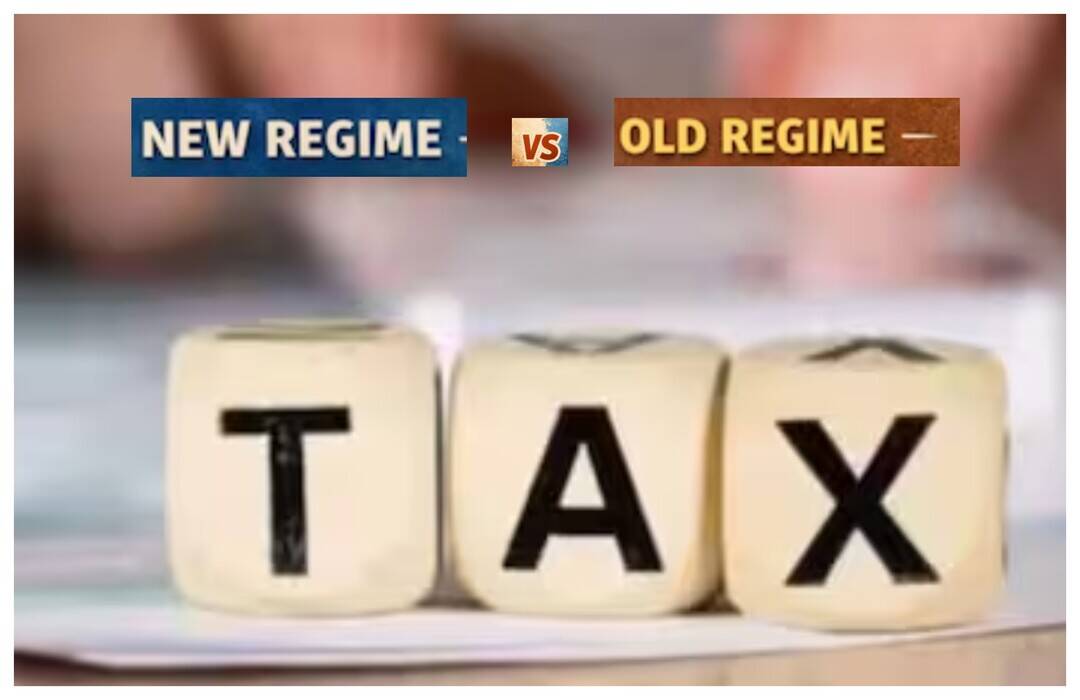
The Union Budget 2026 has been announced, and as expected, it has brought about a mix of emotions among the taxpayers in the country. One of the most significant aspects of the budget is the income tax rates, which have been a subject of interest for many. This year, the government has decided to keep the personal income tax rates unchanged, providing relief to many taxpayers. In this blog post, we will delve into the details of the income tax rates under the new and old tax regimes, and what it means for the taxpayers.
New Tax Regime
The new tax regime was introduced in the Union Budget 2020, with the aim of simplifying the tax system and providing relief to taxpayers. Under this regime, the income tax rates are as follows:
- Income up to ₹12 lakh is tax-free
- 15% tax on income between ₹12 lakh and ₹16 lakh
- 20% tax on income between ₹16 lakh and ₹20 lakh
- 25% tax on income between ₹20 lakh and ₹24 lakh
- 30% tax on income above ₹24 lakh
This regime is optional, and taxpayers can choose to opt for it or continue with the old tax regime. The new tax regime is beneficial for those who do not have many deductions to claim, as it provides a simpler and more straightforward tax structure.
Old Tax Regime
The old tax regime, on the other hand, has been in existence for many years and provides a more traditional approach to taxation. Under this regime, the income tax rates are as follows:
- 0% tax on income up to ₹2.5 lakh
- 5% tax on income between ₹2.5 lakh and ₹5 lakh
- 20% tax on income between ₹5 lakh and ₹10 lakh
- 30% tax on income above ₹10 lakh
This regime provides more deductions and exemptions, making it beneficial for those who have significant expenses, such as home loan interest, medical expenses, and charitable donations.
Comparison of New and Old Tax Regimes
Now that we have looked at the income tax rates under both regimes, let’s compare them to understand which one is more beneficial. The new tax regime provides a more straightforward tax structure, with fewer deductions and exemptions. However, it also provides a higher tax-free limit of ₹12 lakh, compared to ₹2.5 lakh under the old regime.
On the other hand, the old tax regime provides more deductions and exemptions, making it beneficial for those who have significant expenses. However, it also has a more complex tax structure, with more tax slabs and rates.
Impact of No Changes in Income Tax Rates
The government’s decision to keep the income tax rates unchanged is likely to have a positive impact on the economy. With no changes in tax rates, taxpayers can plan their finances better, and businesses can make more informed investment decisions.
Additionally, the lack of changes in tax rates is also likely to boost consumer spending, as taxpayers will have more disposable income at their disposal. This, in turn, can help stimulate economic growth and create more jobs.
Conclusion
In conclusion, the income tax rates under the new and old tax regimes remain unchanged, providing relief to taxpayers. The new tax regime provides a simpler and more straightforward tax structure, while the old regime provides more deductions and exemptions. Taxpayers can choose to opt for either regime, depending on their individual circumstances.
As the economy continues to grow and evolve, it is essential to have a tax system that is fair, simple, and efficient. The government’s decision to keep the income tax rates unchanged is a step in the right direction, and it will be interesting to see how it impacts the economy in the coming months.
For more information on the Union Budget 2026 and the income tax rates, you can visit the official website of the Ministry of Finance or consult a tax expert.
About the Author