Trump sues US’ largest bank JPMorgan, its CEO for ₹45,800 crore for ‘debanking’
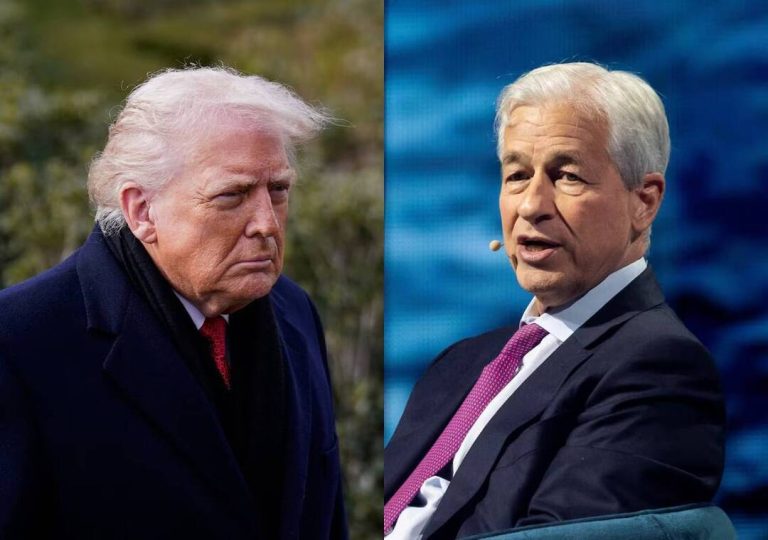
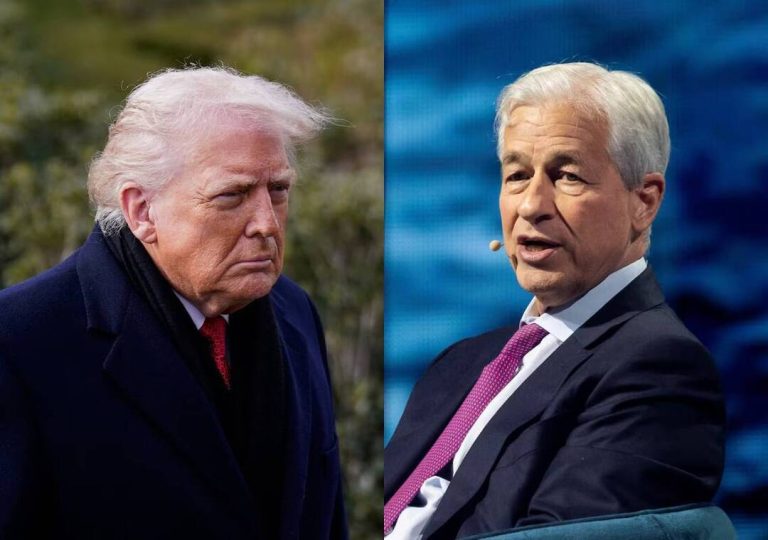
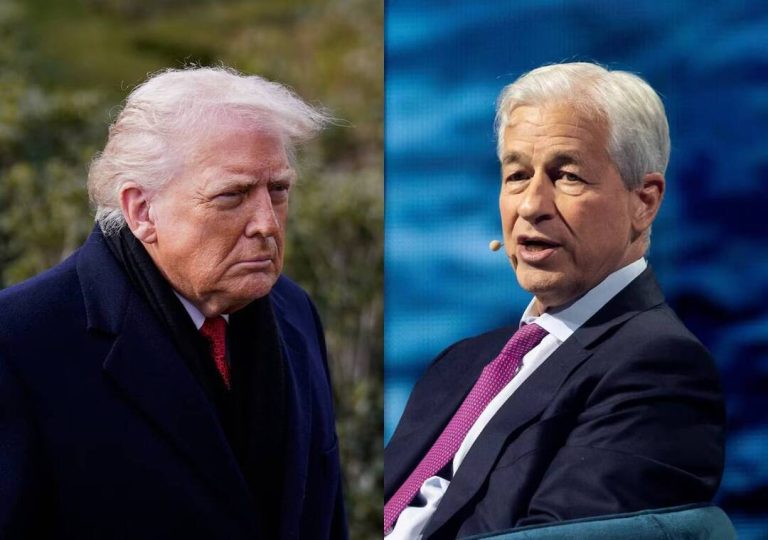
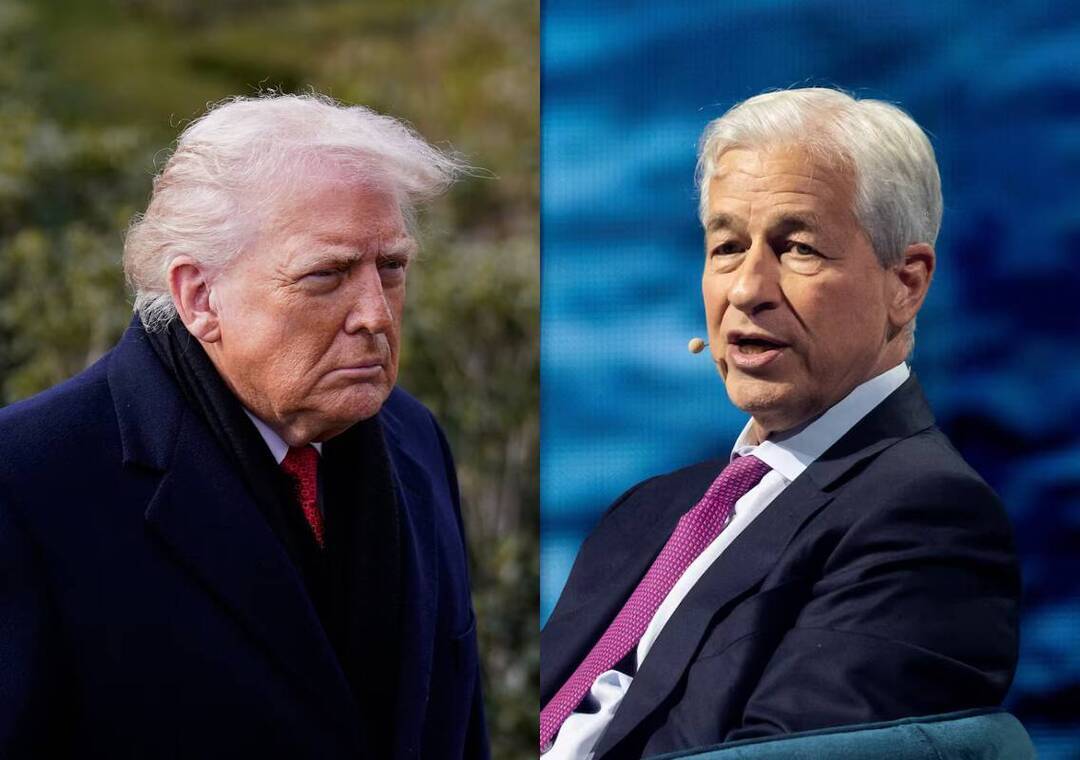
In a shocking move, former US President Donald Trump has filed a lawsuit against JPMorgan Chase, the largest bank in the United States, and its CEO Jamie Dimon for a staggering $5 billion (approximately ₹45,800 crore). The lawsuit alleges that the bank and its CEO engaged in “debanking” – a practice where a bank terminates its relationship with a customer, often without warning or explanation. According to Trump, this decision was made unilaterally and without any justification, solely due to the bank’s “woke” beliefs and its desire to distance itself from him.
Trump claimed that JPMorgan “unilaterally- and without warning or remedy- terminated several of [his] bank accounts”. This move, Trump argues, was a result of the bank’s attempt to appease the liberal elite and curry favor with the Democratic Party. By doing so, JPMorgan allegedly violated its contractual obligations to Trump and his businesses, causing significant financial harm and damage to his reputation.
The lawsuit, which was filed in a US court, marks a significant escalation in the ongoing feud between Trump and the banking giant. Trump has long been a vocal critic of JPMorgan and its CEO, Jamie Dimon, accusing them of being part of a larger conspiracy to undermine his presidency and business interests. This latest move is seen as a bold attempt by Trump to hold the bank accountable for its actions and to seek compensation for the alleged harm caused.
The practice of debanking has become increasingly common in recent years, particularly in the wake of the January 6th US Capitol riot. Many banks and financial institutions have come under pressure to distance themselves from individuals and businesses deemed to be “high-risk” or “politically sensitive”. While some argue that this is a necessary measure to prevent the financing of extremist activities, others see it as a form of censorship and an attack on free speech.
Trump’s lawsuit against JPMorgan is likely to be closely watched by the financial industry and beyond. If successful, it could set a significant precedent for future cases involving debanking and the rights of customers to access financial services. On the other hand, if the lawsuit is dismissed or settled out of court, it could be seen as a victory for the banking industry and its ability to make decisions about who it wants to do business with.
It’s worth noting that JPMorgan has not publicly commented on the lawsuit, and it’s unclear how the bank plans to respond to the allegations. However, in a statement released earlier this year, the bank emphasized its commitment to serving all its customers, regardless of their political affiliations or beliefs.
As the lawsuit makes its way through the courts, it’s likely to be the subject of intense media scrutiny and public debate. Trump’s supporters will likely see this as a brave move by the former President to stand up against the “deep state” and the liberal elite, while his detractors will argue that it’s a desperate attempt to cling to power and relevance.
Regardless of the outcome, one thing is clear: the relationship between Trump and JPMorgan has reached a new low. The question on everyone’s mind is: what’s next? Will other banks and financial institutions follow JPMorgan’s lead and distance themselves from Trump and his businesses? Or will they take a more nuanced approach, recognizing the importance of serving all customers, regardless of their politics?
Only time will tell, but one thing is certain: this lawsuit has significant implications for the financial industry, the concept of debanking, and the ongoing saga of Donald Trump’s presidency and post-presidency.
About the Author