Trump sues US’ largest bank JPMorgan, its CEO for ₹45,800 crore for ‘debanking’
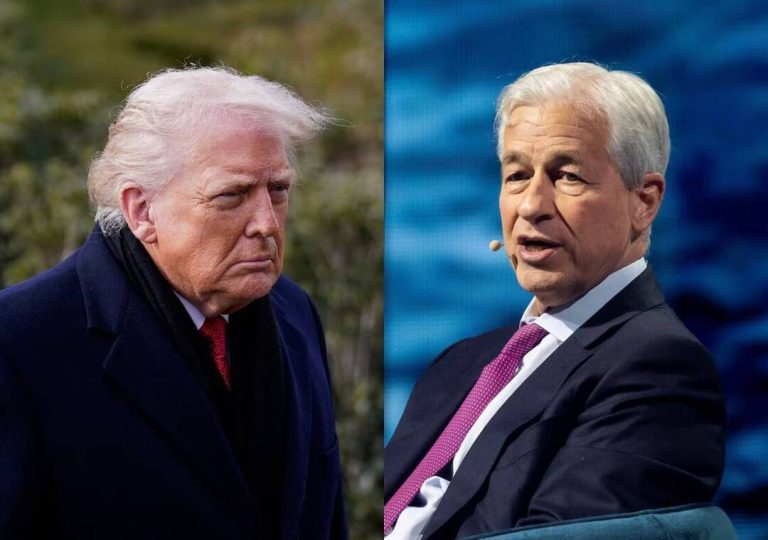
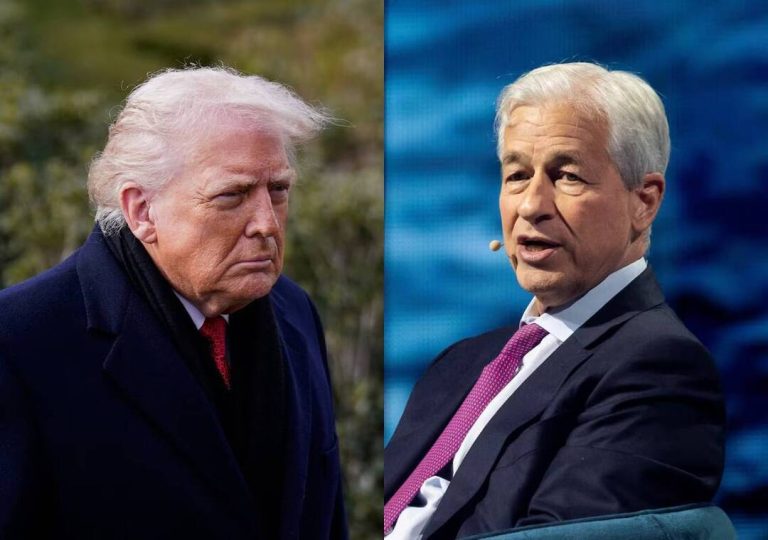
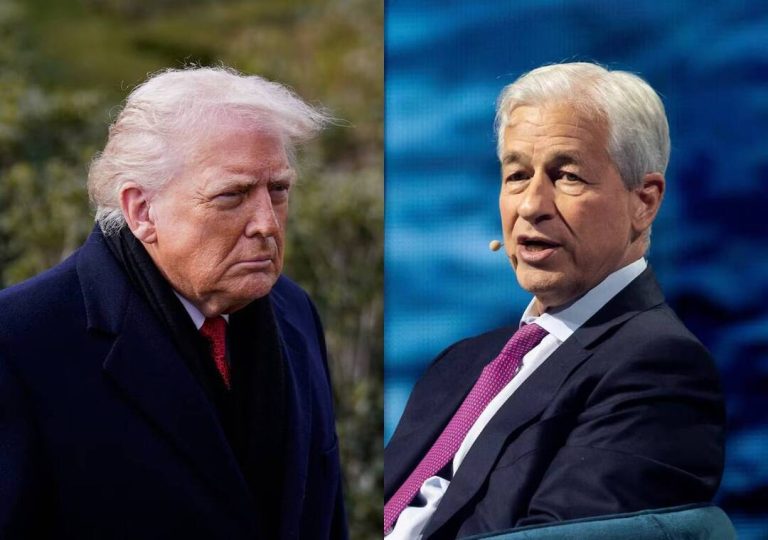
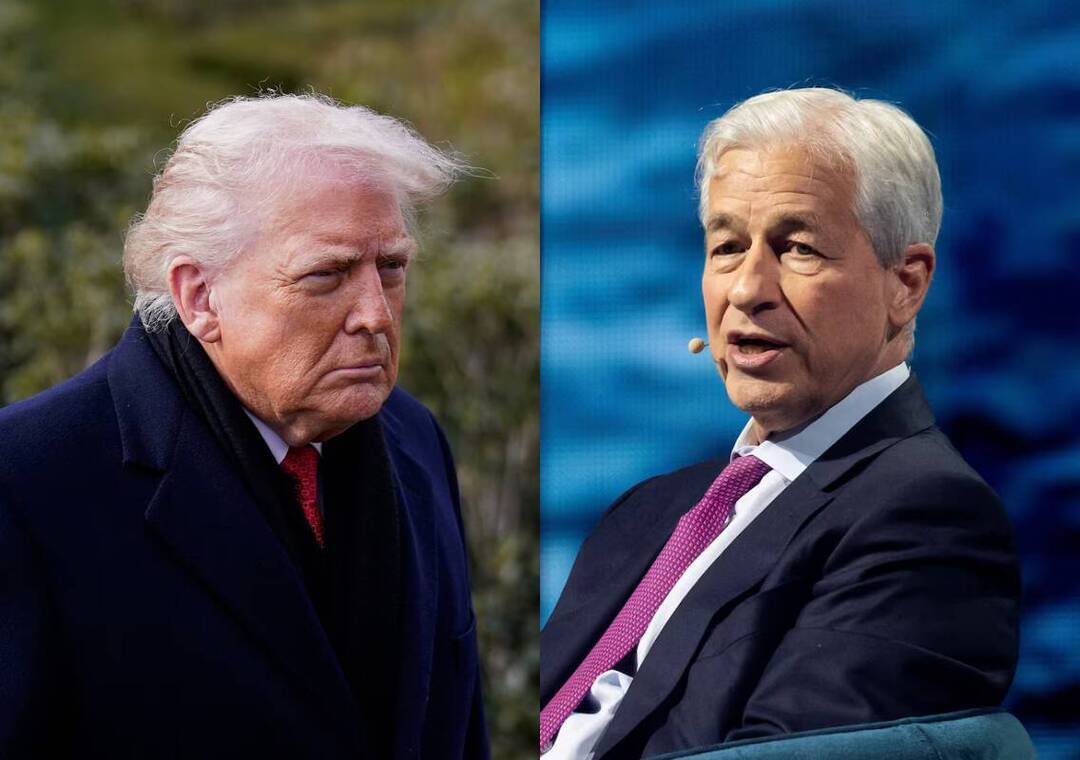
In a shocking turn of events, former US President Donald Trump has sued JPMorgan Chase, the largest bank in the United States, and its CEO Jamie Dimon for a staggering $5 billion (approximately ₹45,800 crore) for allegedly “debanking” him. The lawsuit, which has sent shockwaves through the financial world, claims that JPMorgan Chase unilaterally terminated several of Trump’s bank accounts without warning or remedy.
According to Trump, JPMorgan Chase’s decision to terminate his accounts was motivated by the bank’s “woke” beliefs, which he claims compelled the bank to distance itself from him. Trump’s lawsuit alleges that JPMorgan Chase’s actions were a result of its attempt to appease the “far-left” and to curry favor with the Democratic Party. The lawsuit claims that the bank’s decision to terminate Trump’s accounts was a clear example of “political debanking,” where a bank terminates a customer’s account due to their political beliefs or affiliations.
The lawsuit, which was filed in a US court, claims that JPMorgan Chase’s actions have caused Trump significant financial harm and have damaged his reputation. Trump’s lawyers argue that the bank’s decision to terminate his accounts was a breach of contract and a violation of Trump’s rights under the law. The lawsuit seeks $5 billion in damages, which Trump’s lawyers claim is a reasonable estimate of the harm caused by JPMorgan Chase’s actions.
JPMorgan Chase has yet to comment on the lawsuit, but the bank has previously stated that it does not comment on individual customer accounts or relationships. However, the bank has faced criticism in the past for its handling of high-profile customers, including Trump. The bank has been accused of being overly cautious and risk-averse, particularly when it comes to customers who are seen as being politically sensitive.
The concept of “debanking” has become a major issue in recent years, particularly in the wake of the January 6th storming of the US Capitol. Several banks and financial institutions have faced criticism for their handling of customers who are seen as being affiliated with extremist groups or who have been involved in politically sensitive activities. The issue has sparked a heated debate about the role of banks in policing their customers’ activities and the extent to which they should be allowed to terminate accounts based on political considerations.
Trump’s lawsuit against JPMorgan Chase is likely to add fuel to the debate, particularly given the high-profile nature of the case. The lawsuit has already sparked a heated reaction on social media, with many of Trump’s supporters expressing outrage and anger at JPMorgan Chase’s actions. The hashtag #Debanking has been trending on Twitter, with many users calling for greater transparency and accountability from banks when it comes to their customer relationships.
The lawsuit also raises important questions about the relationship between banks and their customers, particularly when it comes to high-profile individuals like Trump. While banks have a responsibility to manage risk and protect their customers’ assets, they also have a duty to treat their customers fairly and without bias. Trump’s lawsuit alleges that JPMorgan Chase failed to meet this duty, and that the bank’s actions were motivated by a desire to appease the “far-left” rather than to serve the best interests of its customers.
As the lawsuit makes its way through the courts, it will be interesting to see how JPMorgan Chase responds to Trump’s allegations. The bank will likely argue that its decision to terminate Trump’s accounts was based on legitimate business considerations, rather than any political motivations. However, Trump’s lawyers will likely argue that the bank’s actions were a clear example of “political debanking,” and that the bank’s decision to terminate his accounts was a breach of contract and a violation of his rights under the law.
In conclusion, Trump’s lawsuit against JPMorgan Chase is a significant development in the ongoing debate about “debanking” and the role of banks in policing their customers’ activities. While the outcome of the lawsuit is uncertain, it is clear that the case will have major implications for the financial industry and for the relationship between banks and their customers. As the case continues to unfold, it will be interesting to see how JPMorgan Chase responds to Trump’s allegations, and how the courts ultimately rule on the matter.
About the Author