Trump sues US’ largest bank JPMorgan, its CEO for ₹45,800 crore for ‘debanking’
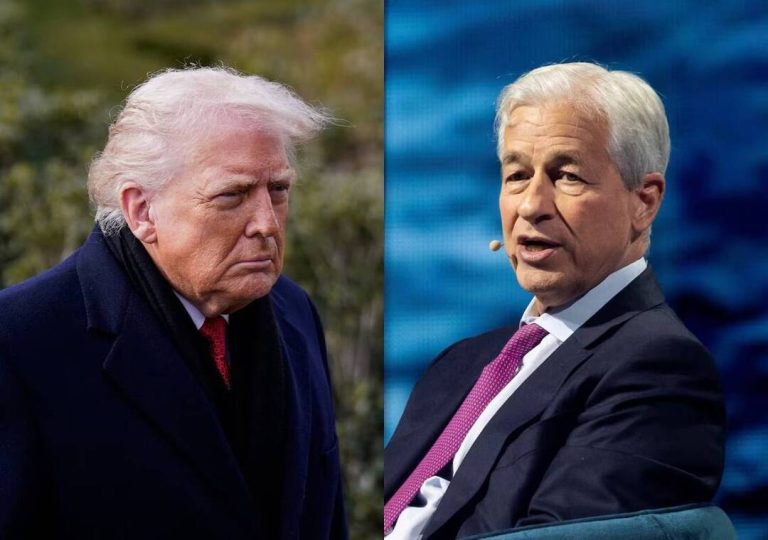
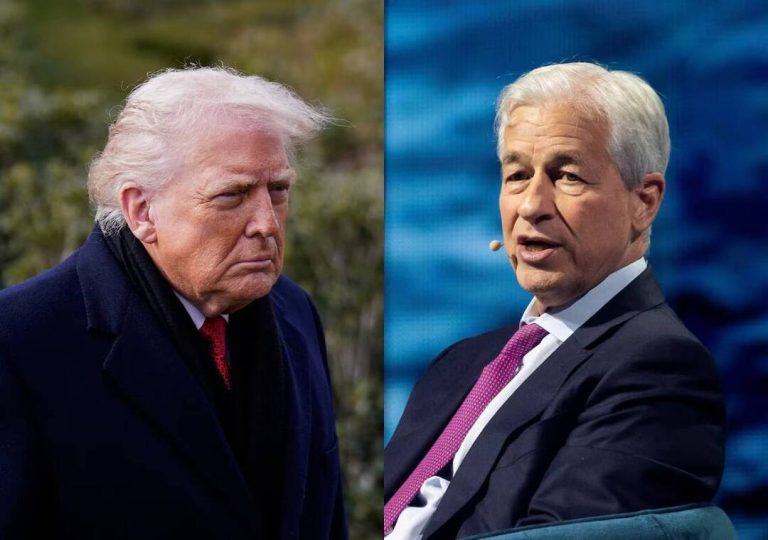
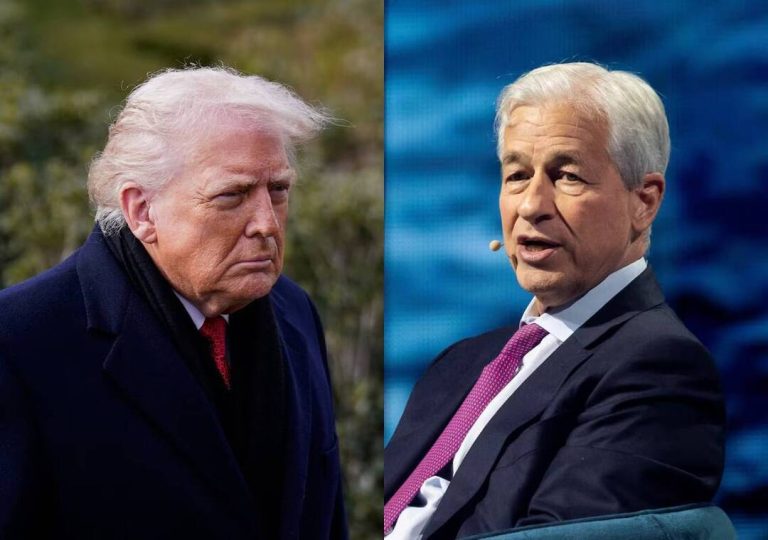
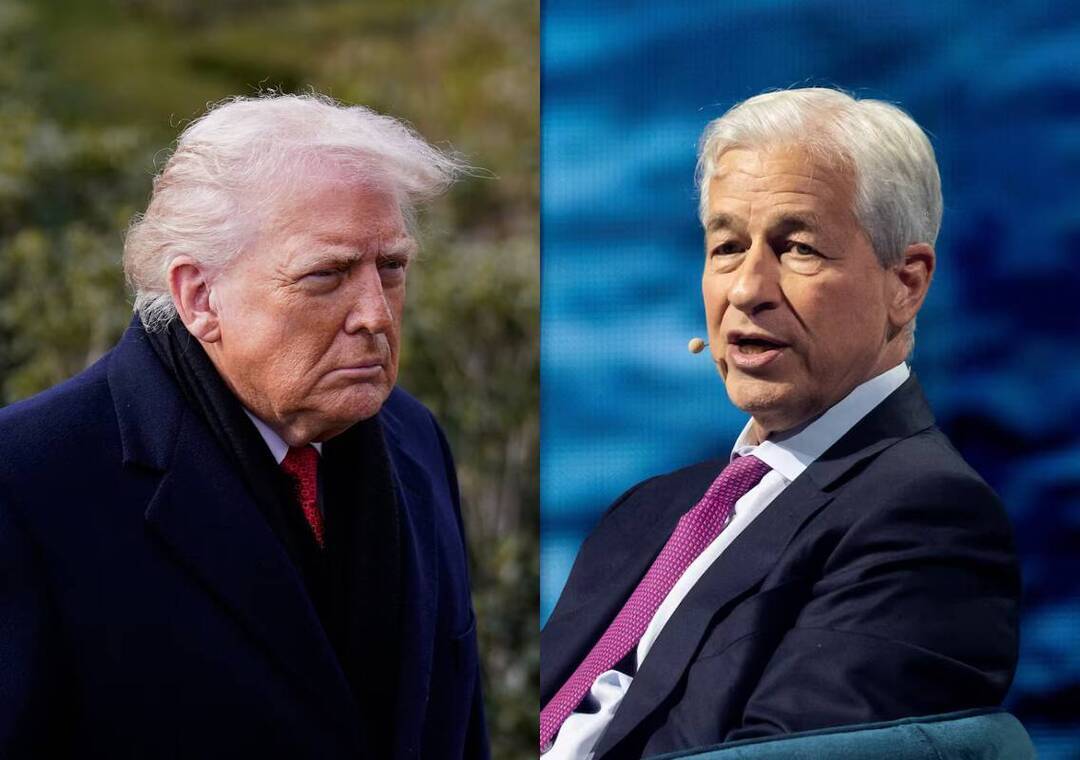
In a shocking move, former US President Donald Trump has sued JPMorgan Chase, the largest bank in the United States, and its CEO Jamie Dimon for a staggering $5 billion (approximately ₹45,800 crore) for allegedly “debanking” him. The lawsuit, which has sent shockwaves through the financial world, claims that JPMorgan Chase unilaterally terminated several of Trump’s bank accounts without warning or remedy.
According to Trump, JPMorgan Chase’s decision to close his accounts was motivated by the bank’s “woke” beliefs, which led it to distance itself from him. The former President claimed that the bank’s actions were a result of its desire to appease the liberal elite and to avoid any potential backlash from the public. Trump’s lawsuit alleges that JPMorgan Chase’s actions were a clear case of political debanking, where a bank terminates a customer’s account due to their political views or affiliations.
The lawsuit, which was filed in a US court, claims that JPMorgan Chase’s actions caused Trump significant financial harm and damage to his reputation. Trump’s lawyers argued that the bank’s decision to close his accounts was unjustified and that it had failed to provide any reasonable explanation for its actions. The lawsuit also claims that JPMorgan Chase’s actions were a breach of contract and that the bank had failed to uphold its obligations to Trump as a customer.
The news of the lawsuit has sparked a heated debate about the role of banks in policing their customers’ political views. While some have argued that banks have a right to choose who they do business with, others have claimed that debanking is a form of censorship that can have serious consequences for individuals and businesses. Trump’s lawsuit has brought this issue to the forefront, highlighting the need for greater transparency and accountability in the banking sector.
JPMorgan Chase has yet to comment on the lawsuit, but the bank has faced criticism in the past for its handling of sensitive customer accounts. In 2020, the bank faced backlash for its decision to close the accounts of several conservative groups, citing concerns about their activities. The bank later reversed its decision, but the incident highlighted the need for greater clarity and consistency in the bank’s policies.
The lawsuit has also raised questions about the relationship between banks and politicians. Trump’s claim that JPMorgan Chase’s actions were motivated by a desire to distance itself from him has sparked concerns about the influence of politics on banking decisions. While banks are supposed to be impartial and neutral, the lawsuit suggests that political considerations can play a significant role in their decision-making processes.
The outcome of the lawsuit is uncertain, but it is likely to have significant implications for the banking sector. If Trump’s claims are upheld, it could set a precedent for future cases of debanking and highlight the need for greater transparency and accountability in the banking sector. On the other hand, if the lawsuit is dismissed, it could reinforce the notion that banks have the right to choose who they do business with, regardless of their political views.
In conclusion, the lawsuit filed by Donald Trump against JPMorgan Chase and its CEO Jamie Dimon has highlighted the complex and often contentious relationship between banks and politicians. The case has sparked a heated debate about the role of banks in policing their customers’ political views and has raised important questions about the need for greater transparency and accountability in the banking sector. As the lawsuit makes its way through the courts, it will be interesting to see how the issue of debanking is addressed and what implications it may have for the future of banking.
About the Author