Trump Sues US’ Largest Bank JPMorgan, its CEO for ₹45,800 Crore for ‘Debanking’
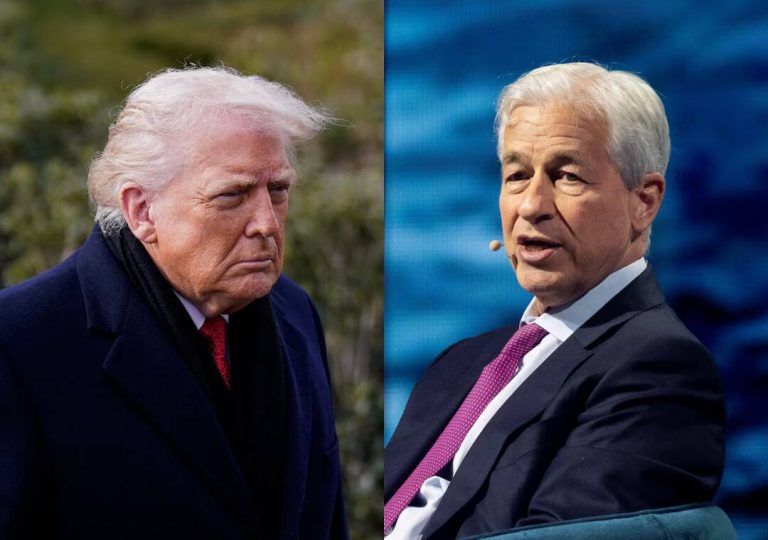
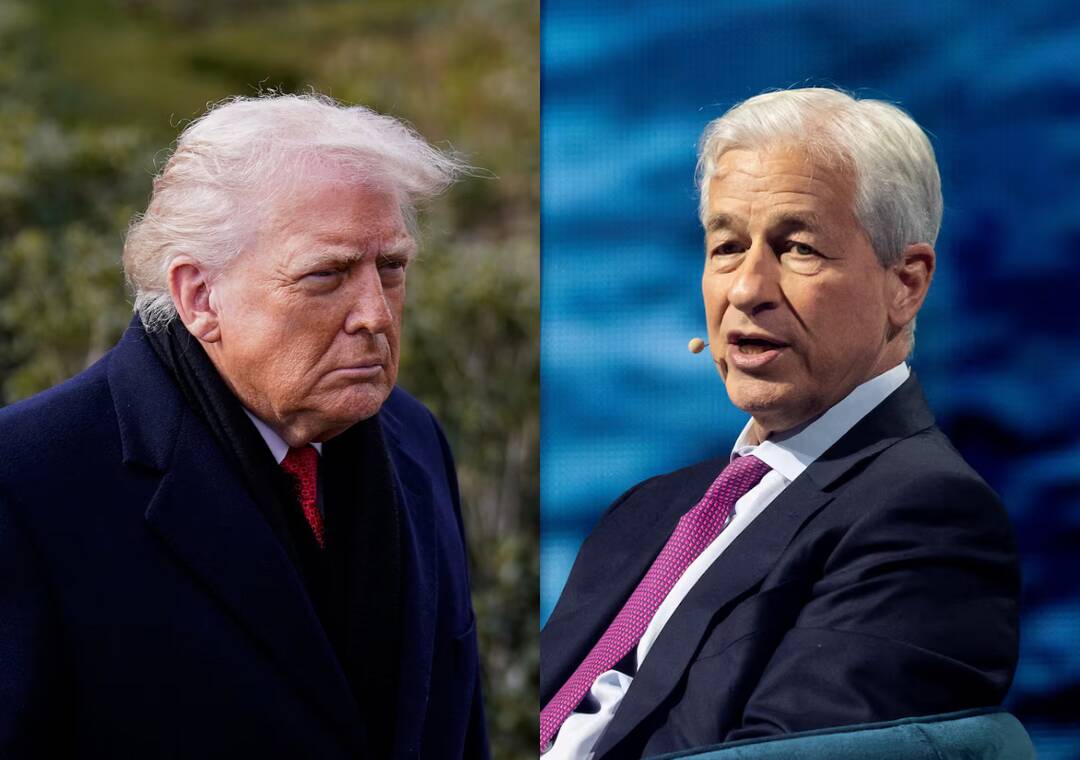
In a shocking turn of events, former US President Donald Trump has sued JPMorgan Chase, the largest bank in the United States, and its CEO Jamie Dimon for a staggering $5 billion (approximately ₹45,800 crore) for alleged “debanking”. According to Trump, the bank “unilaterally- and without warning or remedy- terminated several of [his] bank accounts” due to its “woke” beliefs that it needs to distance itself from him.
The lawsuit, which has sent shockwaves through the financial world, claims that JPMorgan Chase’s actions were motivated by a desire to appease the liberal elite and to punish Trump for his conservative views. Trump’s lawyers argue that the bank’s decision to terminate his accounts was a clear case of political debanking, which is a practice where banks and financial institutions refuse to provide services to individuals or organizations based on their political beliefs or affiliations.
Trump’s lawsuit alleges that JPMorgan Chase’s actions were a result of the bank’s “woke” culture, which has become increasingly prevalent in corporate America. The term “woke” refers to a cultural movement that emphasizes social justice and progressive values, and has been adopted by many large corporations, including JPMorgan Chase. However, Trump’s lawsuit claims that this culture has gone too far, and that it is now being used to discriminate against conservatives and others who hold non-progressive views.
The lawsuit also names Jamie Dimon, the CEO of JPMorgan Chase, as a defendant, alleging that he was personally involved in the decision to terminate Trump’s accounts. Dimon has been a vocal critic of Trump in the past, and has spoken out on issues such as climate change and social justice. Trump’s lawsuit claims that Dimon’s personal biases and political beliefs played a role in the bank’s decision to debank him.
The practice of debanking has become a major issue in recent years, with many conservatives and libertarians claiming that they are being unfairly targeted by banks and financial institutions. Debanking can have serious consequences, including the loss of access to basic financial services such as checking and savings accounts, credit cards, and loans. It can also make it difficult for individuals and businesses to operate, as they may be unable to accept payments or pay bills.
Trump’s lawsuit is not the first time that he has spoken out against debanking. In 2020, he signed an executive order aimed at preventing debanking, which he claimed was a form of discrimination against conservatives. The order instructed federal agencies to take steps to prevent debanking, including by ensuring that banks and financial institutions do not discriminate against customers based on their political beliefs or affiliations.
The lawsuit against JPMorgan Chase is likely to be closely watched by the financial industry, as it raises important questions about the role of politics in banking and finance. While banks and financial institutions have a right to choose their customers and to manage their risk, they also have a responsibility to provide fair and equal access to financial services. If Trump’s lawsuit is successful, it could have major implications for the banking industry, and could lead to changes in the way that banks and financial institutions approach debanking and other forms of financial discrimination.
In conclusion, the lawsuit filed by Donald Trump against JPMorgan Chase and its CEO Jamie Dimon is a significant development in the ongoing debate over debanking and financial discrimination. While the outcome of the lawsuit is uncertain, it highlights the need for banks and financial institutions to be transparent and fair in their dealings with customers, and to avoid discriminating against individuals or groups based on their political beliefs or affiliations.
About the Author