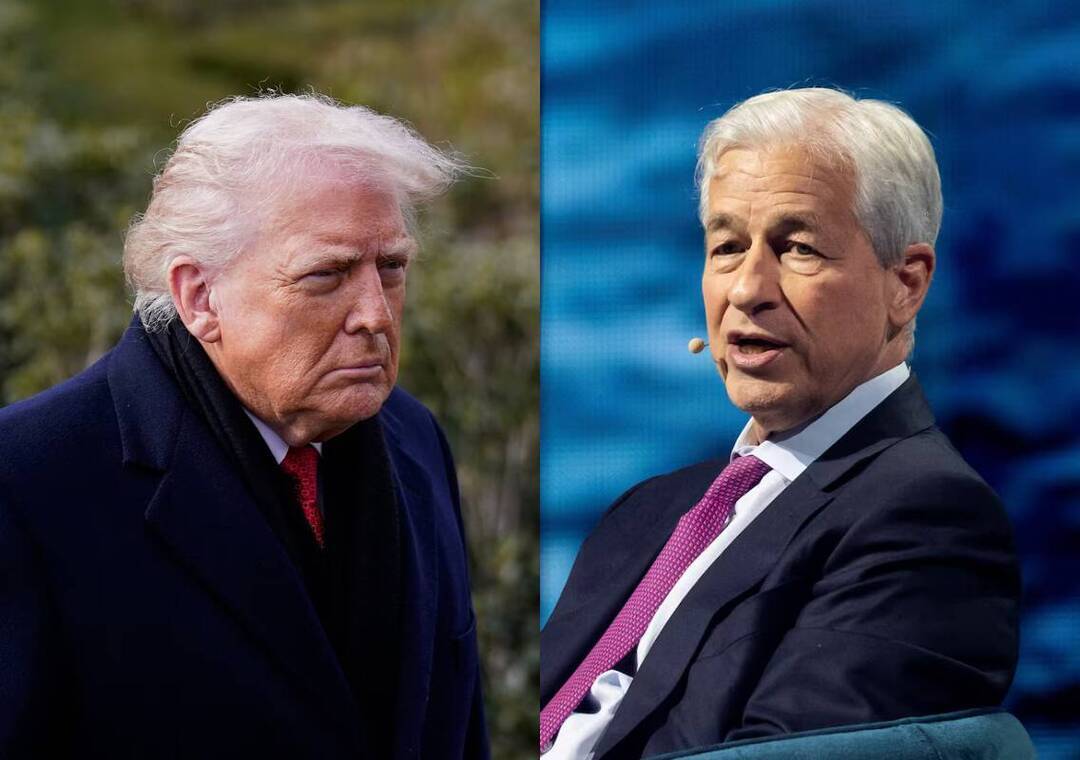
Trump sues US’ largest bank JPMorgan, its CEO for ₹45,800 crore for ‘debanking’
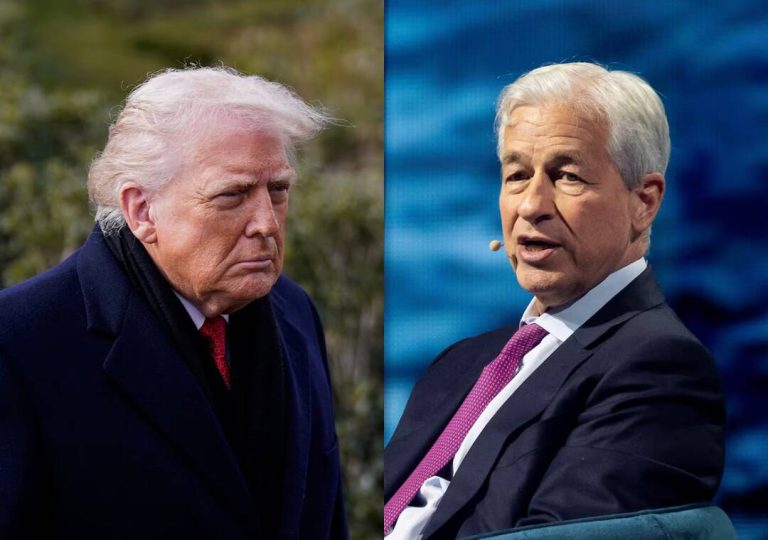
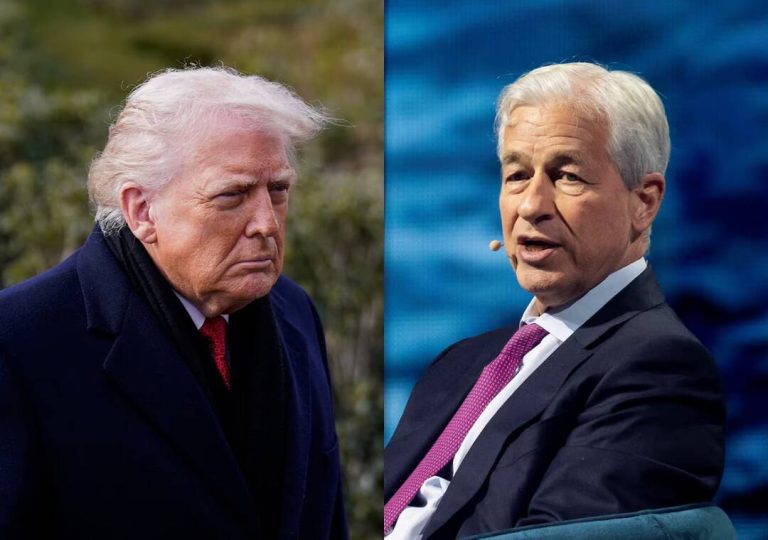
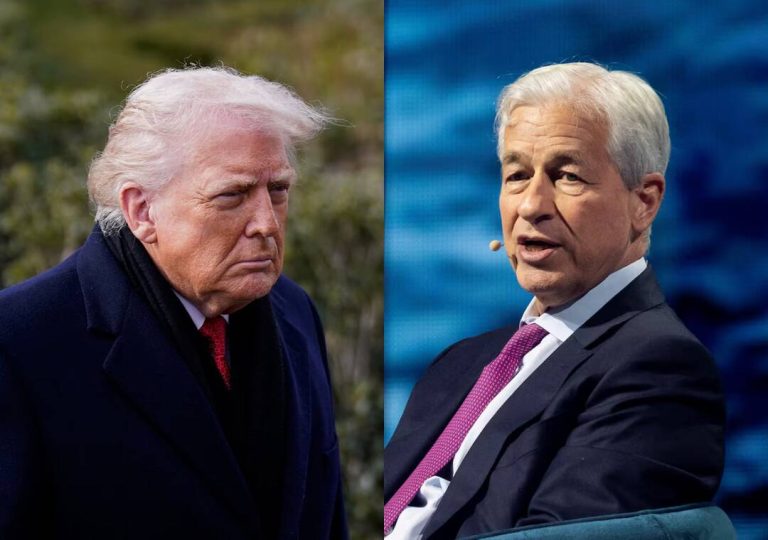
In a shocking turn of events, former US President Donald Trump has sued JPMorgan Chase, the largest bank in the United States, and its CEO Jamie Dimon for a staggering $5 billion (approximately ₹45,800 crore) for alleged “debanking”. According to Trump, the bank “unilaterally- and without warning or remedy- terminated several of [his] bank accounts” due to its “woke” beliefs that it needs to distance itself from him.
The lawsuit, which has sent shockwaves through the financial and political spheres, claims that JPMorgan’s actions were motivated by a desire to appease the liberal elite and curry favor with the Democratic Party. Trump alleges that the bank’s decision to terminate his accounts was a result of its own political biases, rather than any legitimate business or financial concerns.
The concept of “debanking” refers to the practice of banks and financial institutions refusing to provide services to certain individuals or organizations, often due to political or ideological differences. In recent years, there have been several high-profile cases of debanking, with many conservatives and right-wing individuals and groups claiming that they have been unfairly targeted by banks and financial institutions.
Trump’s lawsuit against JPMorgan Chase and Jamie Dimon is the latest example of this phenomenon. According to the lawsuit, Trump had several bank accounts with JPMorgan, which were used for both personal and business purposes. However, in recent months, the bank allegedly began to restrict Trump’s access to these accounts, eventually terminating them altogether.
Trump claims that he was not provided with any warning or explanation for the termination of his accounts, and that he was not given any opportunity to appeal the decision. He alleges that the bank’s actions were a result of its own political biases, and that he was targeted due to his conservative views and his status as a prominent Republican politician.
The lawsuit is likely to have significant implications for the banking and financial industries, as well as for the broader debate over debanking and financial censorship. If Trump is successful in his lawsuit, it could set a precedent for other individuals and organizations who have been targeted by banks and financial institutions due to their political views.
On the other hand, if the lawsuit is unsuccessful, it could embolden banks and financial institutions to continue their practice of debanking, potentially leading to further polarization and division in the country. Either way, the lawsuit is likely to be closely watched by politicians, bankers, and ordinary citizens alike, as it raises important questions about the role of banks and financial institutions in society, and the extent to which they should be allowed to discriminate against certain individuals or groups.
It is worth noting that JPMorgan Chase has not commented on the lawsuit, and it is unclear how the bank will respond to Trump’s allegations. However, in recent years, the bank has faced criticism for its handling of conservative and right-wing clients, with some accusing it of discriminating against these groups.
In 2020, for example, JPMorgan faced backlash for its decision to cancel the accounts of several conservative organizations, including the National Rifle Association (NRA) and the conservative think tank, the Heritage Foundation. The bank claimed that it had made the decision due to concerns over the organizations’ activities, but many saw it as an example of debanking and financial censorship.
As the lawsuit against JPMorgan Chase and Jamie Dimon makes its way through the courts, it is likely to shed further light on the practice of debanking and the role of banks and financial institutions in society. Whether or not Trump is successful in his lawsuit, it is clear that the issue of debanking will continue to be a contentious and divisive one, with significant implications for politics, finance, and society as a whole.
In conclusion, the lawsuit filed by Donald Trump against JPMorgan Chase and its CEO Jamie Dimon is a significant development in the ongoing debate over debanking and financial censorship. As the case makes its way through the courts, it is likely to have far-reaching implications for the banking and financial industries, as well as for the broader debate over the role of banks and financial institutions in society.
About the Author