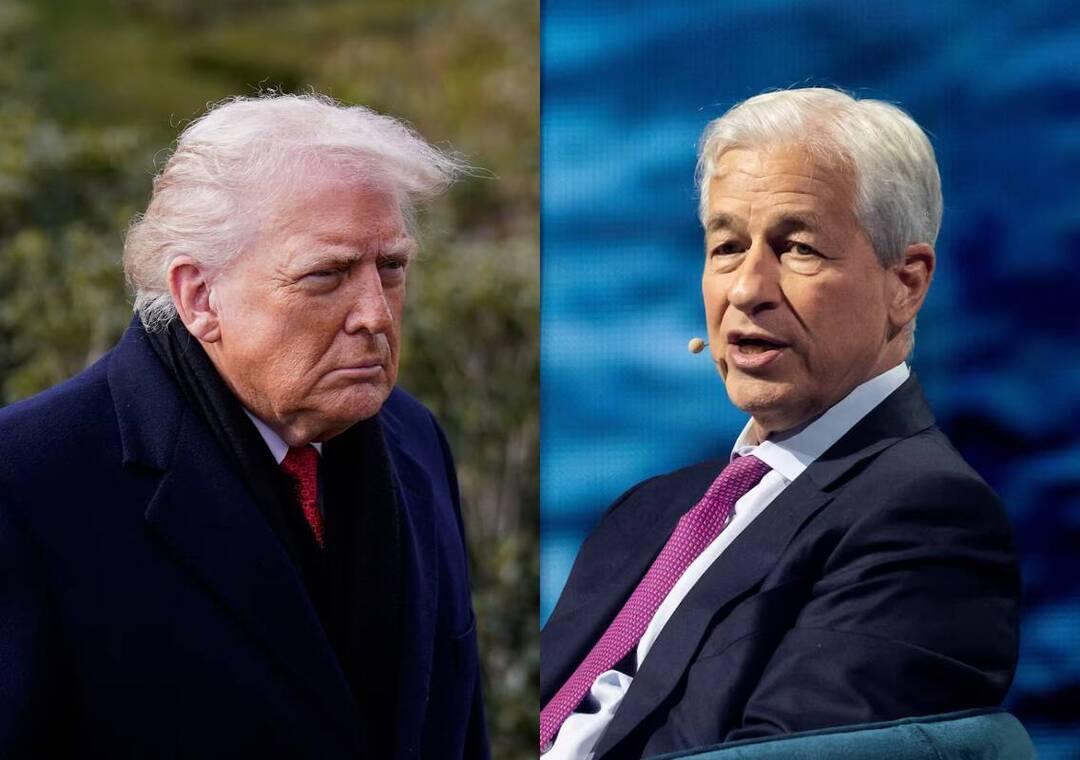
Trump sues US’ largest bank JPMorgan, its CEO for ₹45,800 crore for ‘debanking’
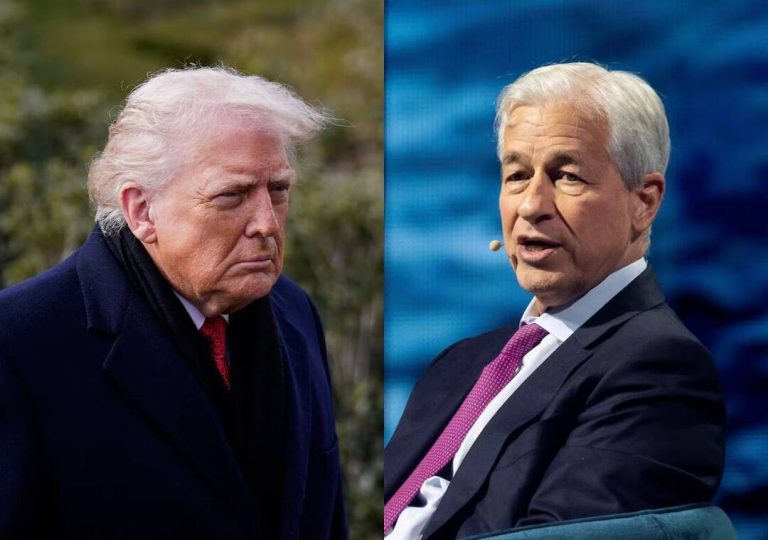
In a shocking move, former US President Donald Trump has sued JPMorgan Chase, the largest bank in the United States, and its CEO Jamie Dimon for a staggering $5 billion (approximately ₹45,800 crore) for alleged “debanking”. According to Trump, the bank “unilaterally- and without warning or remedy- terminated several of [his] bank accounts” due to its “woke” beliefs that it needs to distance itself from him.
The lawsuit, which has sent shockwaves through the financial world, claims that JPMorgan’s actions were motivated by a desire to appease the bank’s liberal clientele and to avoid any potential backlash from the public. Trump’s lawyers argue that the bank’s decision to terminate his accounts was a clear case of political debanking, where a bank closes or restricts a customer’s account due to their political views or affiliations.
Trump, who has been a long-time customer of JPMorgan, claimed that the bank’s actions were a breach of contract and a violation of his rights as a customer. He also alleged that the bank’s CEO, Jamie Dimon, was personally involved in the decision to terminate his accounts and that Dimon’s actions were driven by a personal vendetta against him.
The lawsuit is the latest in a long line of controversies surrounding Trump’s financial dealings. The former President has been known for his complex and often troubled relationship with the financial sector, with many banks and financial institutions having severed ties with him over the years.
JPMorgan, which is one of the largest and most respected banks in the world, has yet to comment on the lawsuit. However, sources close to the bank have indicated that JPMorgan is prepared to vigorously defend itself against Trump’s claims.
The concept of debanking, which is at the heart of Trump’s lawsuit, is a growing concern in the financial sector. Debanking refers to the practice of banks closing or restricting a customer’s account due to their political views, affiliations, or activities. While debanking is not a new phenomenon, it has become increasingly common in recent years, particularly in the wake of high-profile controversies and scandals.
Trump’s lawsuit against JPMorgan is significant not just because of the massive amount of damages being sought but also because it highlights the growing tensions between the financial sector and the political establishment. The lawsuit is likely to be closely watched by politicians, bankers, and lawyers around the world, as it raises important questions about the role of banks in society and the limits of their power.
As the lawsuit makes its way through the courts, it is likely to have significant implications for the financial sector and beyond. If Trump is successful in his lawsuit, it could set a precedent for other individuals and organizations to challenge banks’ decisions to terminate their accounts. On the other hand, if JPMorgan is successful in defending itself against Trump’s claims, it could embolden banks to take a more aggressive approach to debanking in the future.
In either case, the Trump-JPMorgan lawsuit is a stark reminder of the complexities and challenges of the modern financial system. As the world becomes increasingly interconnected and interdependent, the relationships between banks, politicians, and the public are likely to become even more complicated and contentious.
For now, the outcome of the lawsuit remains uncertain. However, one thing is clear: the Trump-JPMorgan lawsuit is a major development that will be closely watched by people around the world.
About the Author