Trump sues US’ largest bank JPMorgan, its CEO for ₹45,800 crore for ‘debanking’
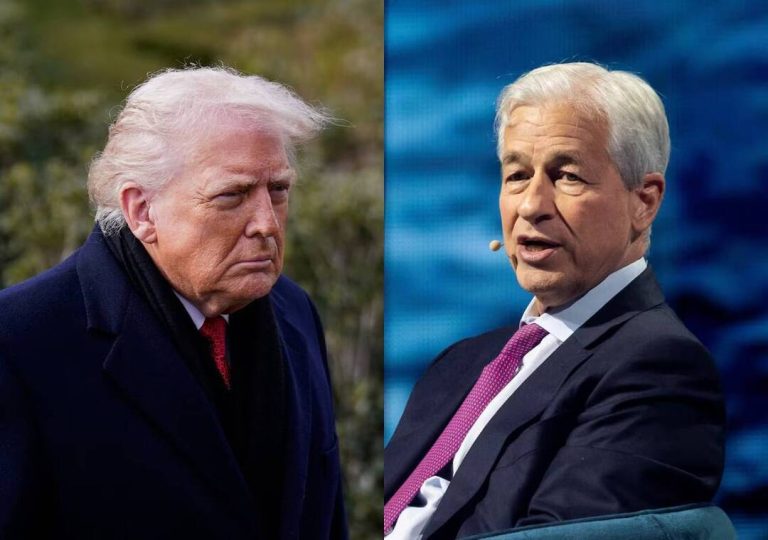
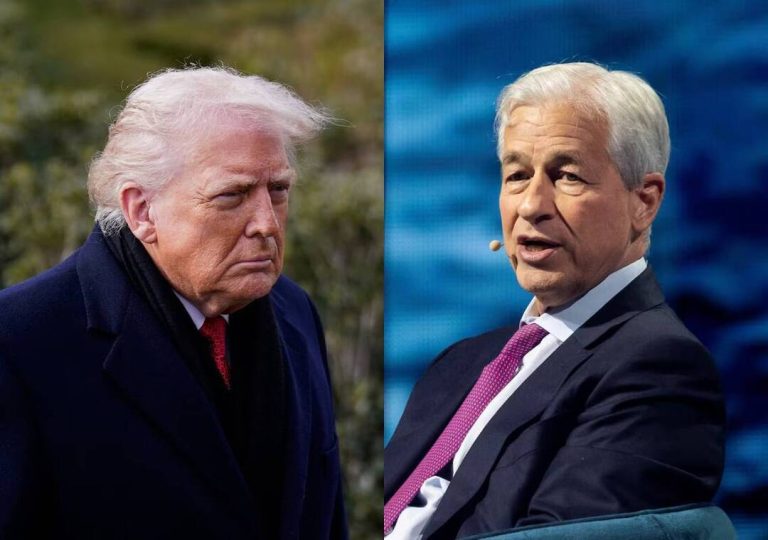
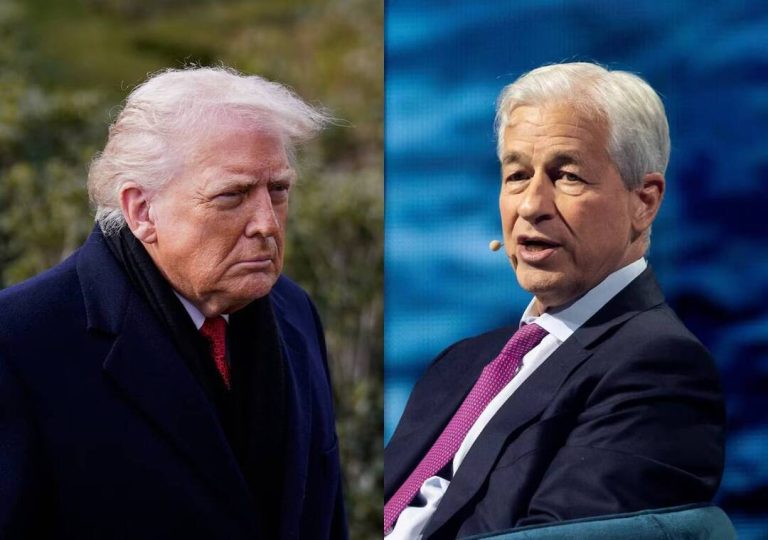
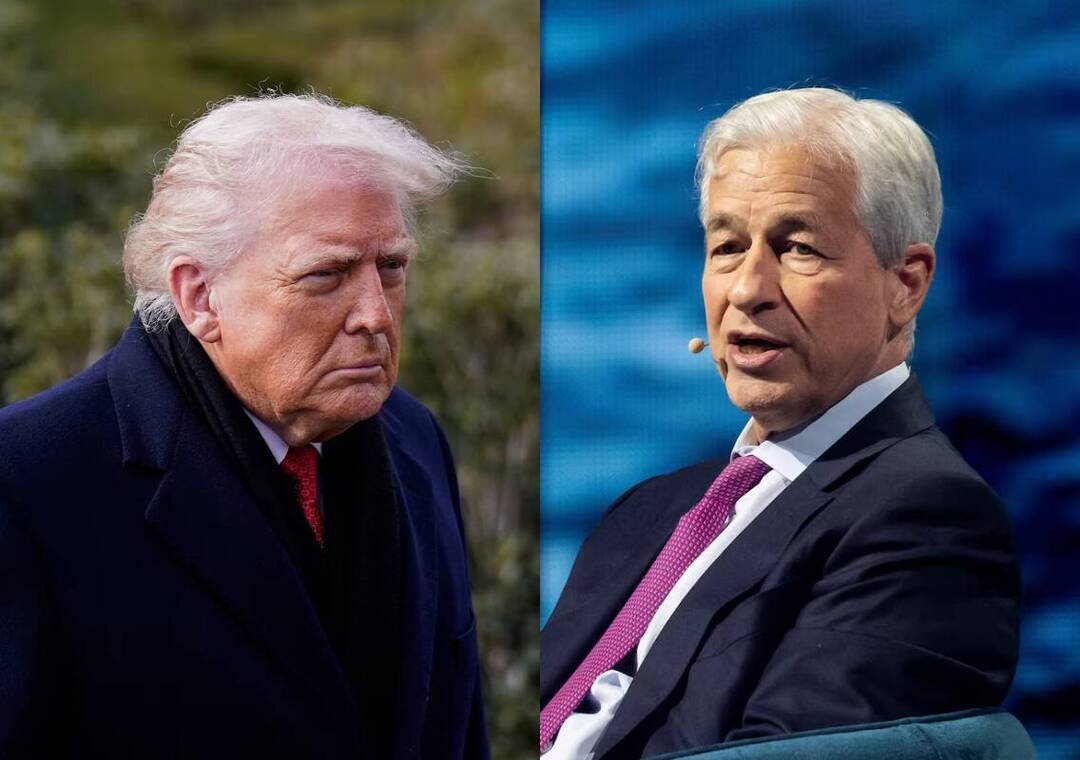
In a shocking turn of events, former US President Donald Trump has sued JPMorgan Chase, the largest bank in the United States, and its CEO Jamie Dimon for a staggering $5 billion (approximately ₹45,800 crore) for allegedly “debanking” him. According to Trump, JPMorgan “unilaterally- and without warning or remedy- terminated several of [his] bank accounts” due to its “woke” beliefs, which he claims prompted the bank to distance itself from him.
The lawsuit, which has sent shockwaves through the financial and political spheres, marks a significant escalation in the ongoing saga between Trump and the banking giant. Trump has long been a vocal critic of JPMorgan and its CEO, Jamie Dimon, accusing them of being part of a larger conspiracy to undermine his presidency and business empire.
At the heart of the lawsuit is Trump’s claim that JPMorgan’s decision to terminate his bank accounts was motivated by a desire to appease liberal politicians and special interest groups. Trump alleges that the bank’s actions were a clear example of “political debanking,” where a financial institution selectively denies services to individuals or businesses based on their political views or affiliations.
The concept of debanking has gained significant attention in recent years, particularly in the context of the ongoing debate over free speech and censorship. While banks have traditionally been expected to provide services to all customers regardless of their political views, there is a growing concern that some financial institutions are now using their discretion to deny services to individuals or businesses that they deem to be “undesirable” or “high-risk.”
In Trump’s case, the former President claims that JPMorgan’s decision to terminate his bank accounts was a clear example of debanking, motivated by a desire to punish him for his conservative views and affiliations. Trump has long been a polarizing figure in American politics, and his presidency was marked by controversy and division.
JPMorgan, on the other hand, has denied any wrongdoing, stating that its decision to terminate Trump’s bank accounts was based on a thorough review of his business activities and a determination that they posed a risk to the bank’s reputation and financial stability. The bank has also pointed out that it has a long history of providing services to customers with diverse political views and affiliations, and that its decision to terminate Trump’s accounts was not motivated by any political considerations.
Despite JPMorgan’s denials, Trump’s lawsuit has sparked a heated debate over the role of politics in banking and the potential risks of debanking. While some have defended JPMorgan’s right to make decisions about who it does business with, others have expressed concern that the bank’s actions could set a dangerous precedent for the financial industry as a whole.
As the lawsuit makes its way through the courts, it is likely to have significant implications for the financial industry and the broader debate over free speech and censorship. If Trump is successful in his lawsuit, it could potentially establish a new precedent for the rights of customers to access banking services, regardless of their political views or affiliations.
On the other hand, if JPMorgan is successful in defending its actions, it could embolden other financial institutions to take a more active role in policing the political views and activities of their customers. This could have significant implications for the health of democracy and the freedom of speech, as individuals and businesses may find themselves subject to arbitrary and discriminatory treatment by financial institutions.
In conclusion, the lawsuit between Trump and JPMorgan is a complex and multifaceted issue that raises important questions about the role of politics in banking and the potential risks of debanking. As the case makes its way through the courts, it is likely to have significant implications for the financial industry and the broader debate over free speech and censorship.
For now, it remains to be seen how the lawsuit will ultimately be resolved, and what implications it will have for the future of banking and politics in the United States. One thing is certain, however: the outcome of this case will be closely watched by financial institutions, politicians, and citizens around the world, and will have significant implications for the health of democracy and the freedom of speech.
About the Author