Trump sues US’ largest bank JPMorgan, its CEO for ₹45,800 crore for ‘debanking’
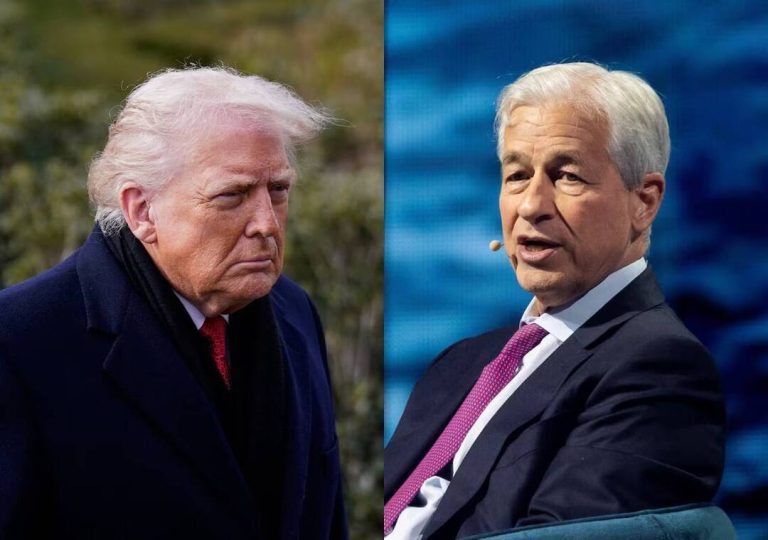
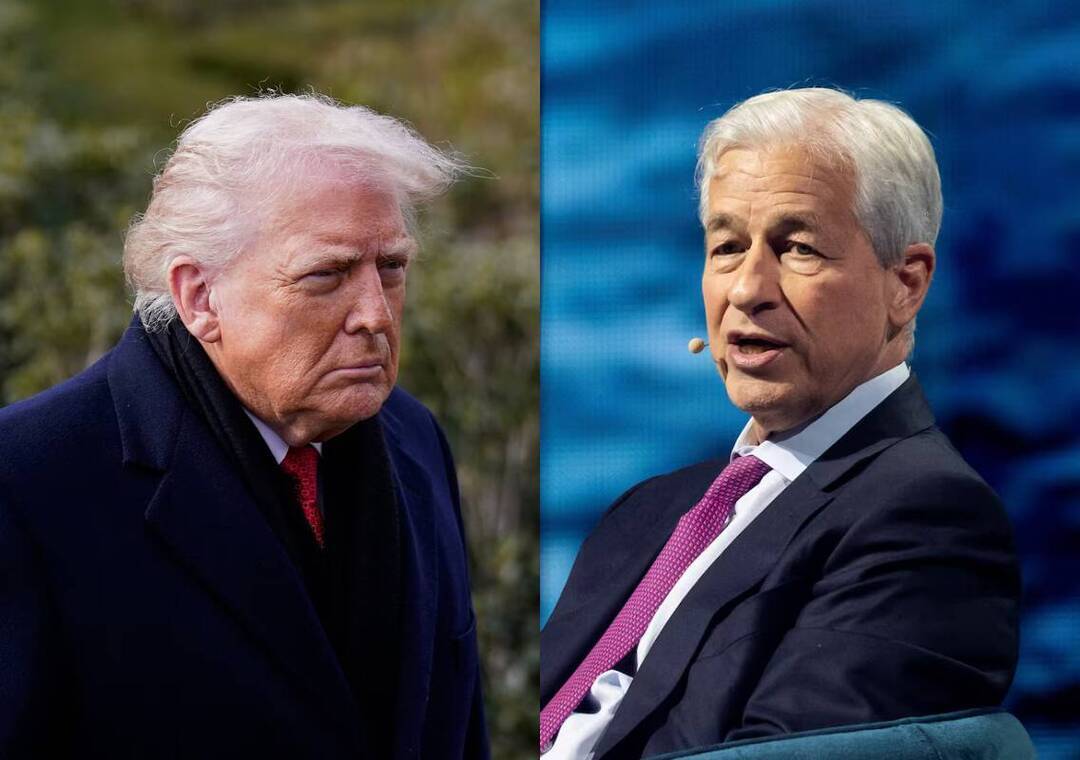
In a shocking move, former US President Donald Trump has sued JPMorgan Chase, the largest bank in the United States, and its CEO Jamie Dimon for a staggering $5 billion (approximately ₹45,800 crore) over allegations of “debanking”. According to a statement released by the bank, Trump claims that JPMorgan “unilaterally- and without warning or remedy- terminated several of [his] bank accounts” due to its “woke” beliefs that it needs to distance itself from the former President.
The lawsuit, which has sent shockwaves through the financial community, accuses JPMorgan of engaging in politically motivated “debanking” – a practice where a bank terminates its relationship with a customer, often without explanation or warning. Trump alleges that JPMorgan’s decision to close his accounts was motivated by a desire to appease liberal politicians and activists who have been critical of the former President.
In his lawsuit, Trump claims that JPMorgan’s actions have caused him significant financial harm and damage to his reputation. He argues that the bank’s decision to terminate his accounts was not based on any legitimate business reasons, but rather on a desire to punish him for his political views. Trump also alleges that JPMorgan’s actions are part of a broader pattern of “debanking” targeting conservative politicians and individuals who hold views that are deemed unacceptable by the liberal establishment.
The lawsuit is the latest salvo in an ongoing battle between Trump and the financial establishment. Trump has long been a vocal critic of the banking industry, accusing it of being biased against him and his supporters. The former President has also been a vocal supporter of conservative causes and has often found himself at odds with the liberal establishment.
JPMorgan, on the other hand, has denied any wrongdoing and has stated that its decision to terminate Trump’s accounts was based on legitimate business reasons. The bank has declined to comment further on the matter, citing confidentiality agreements and the ongoing nature of the litigation.
The lawsuit has sparked a heated debate about the role of politics in banking and the extent to which banks should be allowed to terminate relationships with customers based on their political views. While some have argued that banks have a right to choose their customers and terminate relationships that are no longer profitable or pose a risk to their reputation, others have argued that “debanking” is a form of censorship that undermines the principles of free speech and open debate.
The outcome of the lawsuit is far from certain, and it is likely to be a long and complex process. However, one thing is clear: the lawsuit has highlighted the deep divisions that exist between Trump and the financial establishment, and it is likely to have significant implications for the future of banking and politics in the United States.
As the lawsuit makes its way through the courts, it will be interesting to see how the bank and the former President navigate the complex web of allegations and counter-allegations. Will Trump be able to prove that JPMorgan’s actions were motivated by a desire to punish him for his political views, or will the bank be able to demonstrate that its decision to terminate his accounts was based on legitimate business reasons?
Only time will tell, but one thing is certain: the lawsuit has sparked a national conversation about the role of politics in banking and the extent to which banks should be allowed to terminate relationships with customers based on their political views. As the debate continues to unfold, it will be important to consider the implications of “debanking” and the potential consequences for free speech and open debate in the United States.
In conclusion, the lawsuit filed by Trump against JPMorgan Chase and its CEO Jamie Dimon is a significant development that highlights the deep divisions that exist between the former President and the financial establishment. As the lawsuit makes its way through the courts, it will be important to consider the implications of “debanking” and the potential consequences for free speech and open debate in the United States.
About the Author