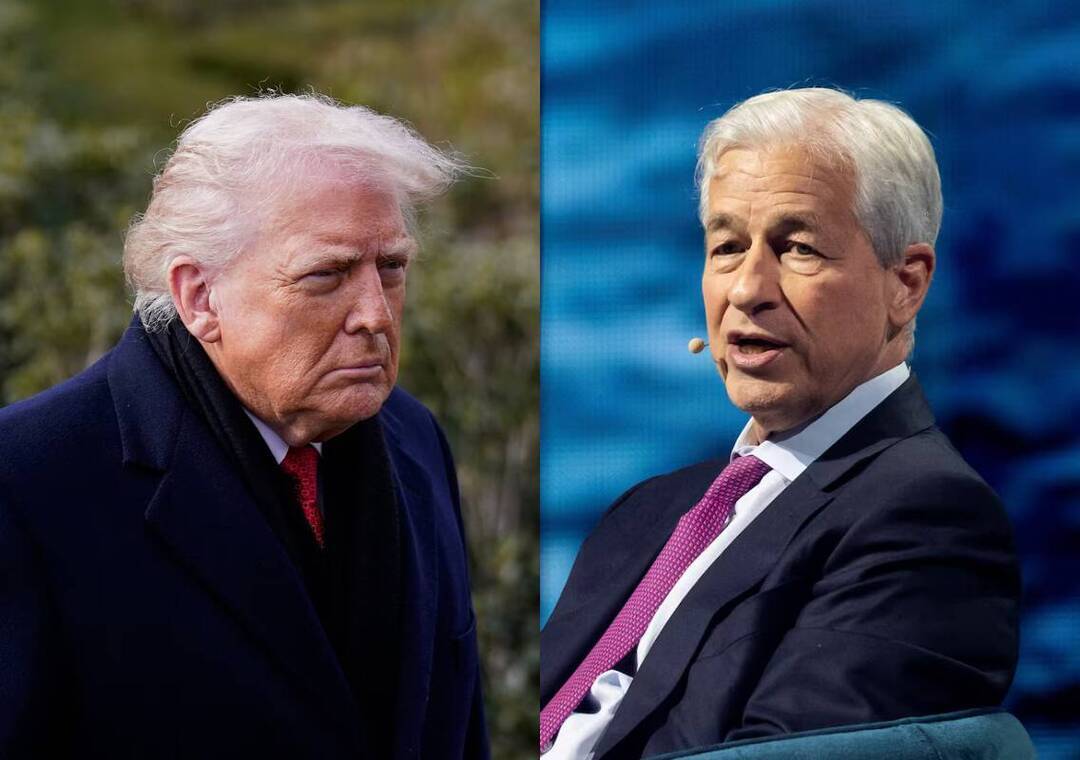
Trump sues US’ largest bank JPMorgan, its CEO for ₹45,800 crore for ‘debanking’
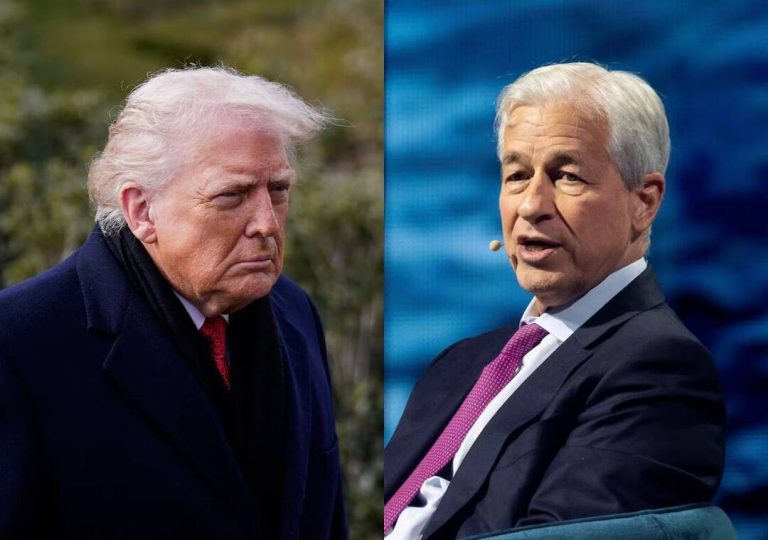
In a shocking move, former US President Donald Trump has sued JPMorgan Chase, the largest bank in the United States, and its CEO Jamie Dimon for a staggering $5 billion (approximately ₹45,800 crore) for alleged “debanking”. According to Trump, the bank “unilaterally- and without warning or remedy- terminated several of [his] bank accounts” due to its “woke” beliefs that it needs to distance itself from him.
The lawsuit, which has sent shockwaves through the financial world, claims that JPMorgan Chase’s decision to terminate Trump’s bank accounts was a result of the bank’s attempt to appease the “woke” crowd and avoid any potential backlash from its customers and stakeholders. Trump’s lawyers argue that this move was a clear case of political debanking, where a bank terminates a customer’s account due to their political views or affiliations.
Trump, who has been a long-time customer of JPMorgan Chase, claimed that the bank’s decision to terminate his accounts was a surprise move that left him without any warning or remedy. He alleged that the bank’s actions were motivated by a desire to curry favor with the liberal establishment and to avoid any potential controversy associated with his presidency.
The lawsuit is seen as a significant escalation of the ongoing debate over debanking, which has become a contentious issue in recent years. Debanking refers to the practice of banks terminating the accounts of customers who hold unpopular or controversial views, often due to pressure from activist groups or regulators. The practice has been criticized by many as a form of censorship, where banks are essentially acting as arbiters of what is deemed acceptable speech or behavior.
In this case, Trump’s lawsuit claims that JPMorgan Chase’s decision to terminate his accounts was a clear case of debanking, motivated by the bank’s desire to distance itself from his political views. The lawsuit argues that the bank’s actions were a violation of Trump’s constitutional rights, including his right to free speech and his right to equal protection under the law.
The lawsuit also names Jamie Dimon, the CEO of JPMorgan Chase, as a defendant, alleging that he was personally involved in the decision to terminate Trump’s accounts. Dimon has been a vocal critic of Trump in the past, and has been known to take a strong stance on social and environmental issues.
The implications of this lawsuit are significant, and could have far-reaching consequences for the banking industry as a whole. If Trump’s lawsuit is successful, it could set a precedent for other individuals who have been debanked due to their political views or affiliations. On the other hand, if the lawsuit is dismissed, it could embolden banks to continue the practice of debanking, potentially leading to further censorship and restrictions on free speech.
The lawsuit has also sparked a heated debate over the role of banks in policing speech and behavior. While some argue that banks have a responsibility to protect their customers and stakeholders from harm, others argue that banks should remain neutral and avoid taking sides in political debates.
As the lawsuit makes its way through the courts, it will be interesting to see how the judge rules on the matter. Will Trump’s lawsuit be successful, or will the court dismiss his claims? Only time will tell, but one thing is certain – this lawsuit has the potential to have significant implications for the banking industry and the wider debate over free speech and censorship.
In conclusion, the lawsuit filed by Donald Trump against JPMorgan Chase and its CEO Jamie Dimon is a significant development in the ongoing debate over debanking and free speech. As the case makes its way through the courts, it will be important to watch how the judge rules on the matter, and what implications this may have for the banking industry and beyond.
About the Author