Trump sues US’ largest bank JPMorgan, its CEO for ₹45,800 crore for ‘debanking’
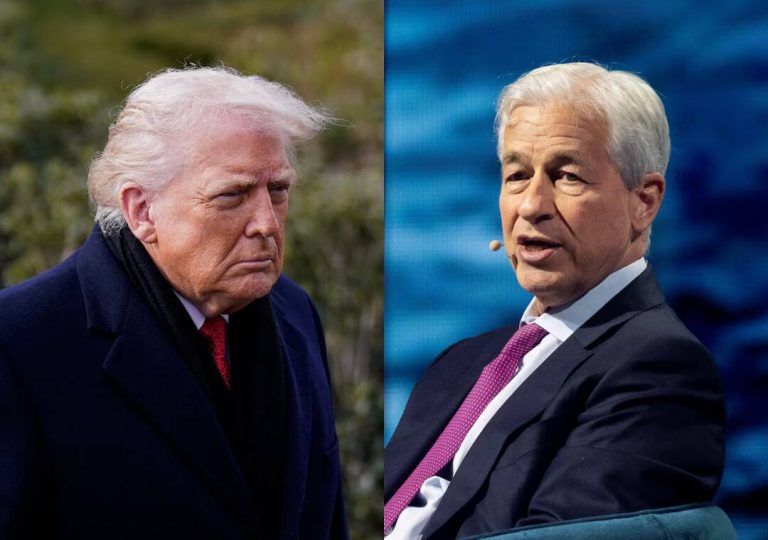
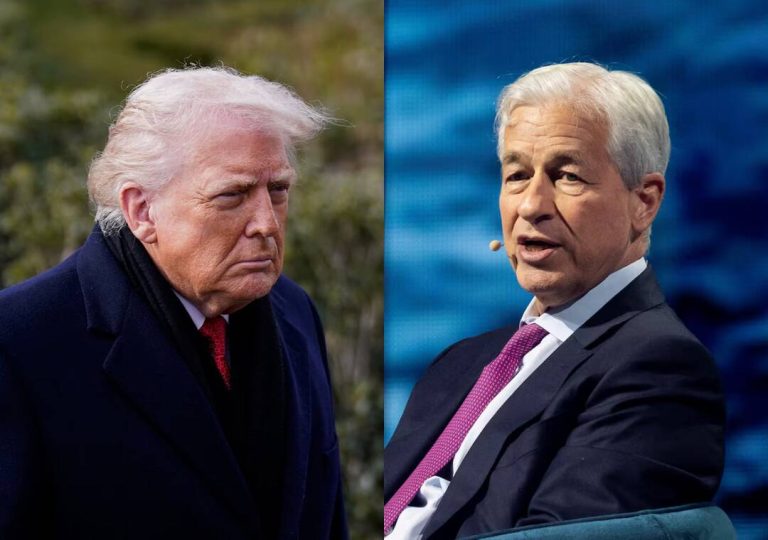
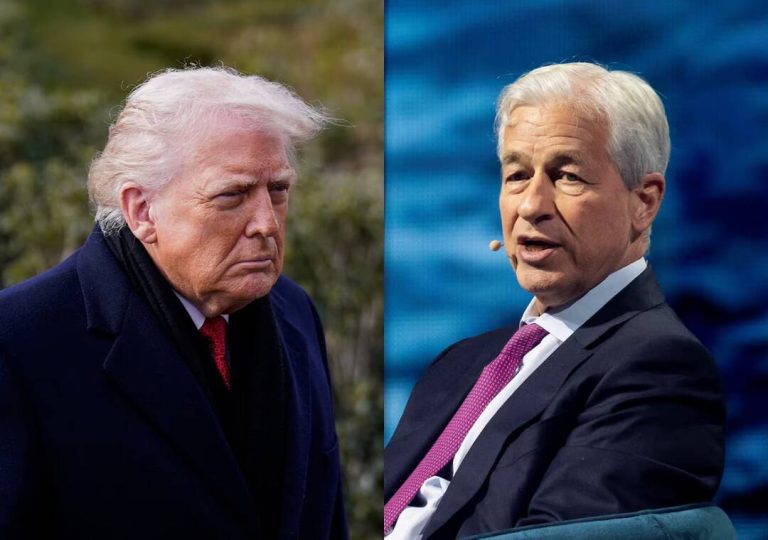
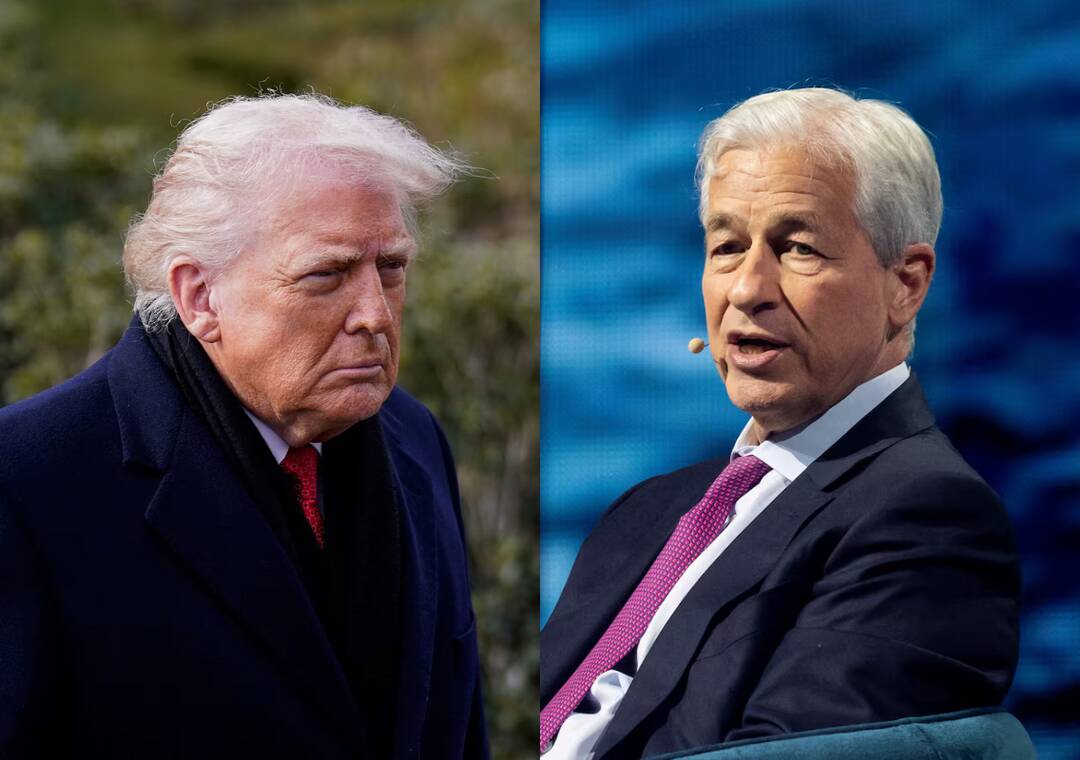
In a shocking move, former US President Donald Trump has sued JPMorgan Chase, the largest bank in the United States, and its CEO Jamie Dimon for a staggering $5 billion (approximately ₹45,800 crore) over allegations of “debanking”. According to Trump, the bank “unilaterally- and without warning or remedy- terminated several of [his] bank accounts” due to its “woke” beliefs that it needs to distance itself from him.
The lawsuit, which has sent shockwaves through the financial world, claims that JPMorgan Chase’s actions were motivated by a desire to appease liberal politicians and avoid backlash from the public. Trump’s lawyers argue that the bank’s decision to terminate his accounts was a clear case of political debanking, which is a practice where banks and financial institutions refuse to provide services to individuals or businesses based on their political beliefs or affiliations.
Trump’s lawsuit alleges that JPMorgan Chase’s actions were not only unfair but also discriminatory. The former President claims that the bank’s decision to terminate his accounts was not based on any legitimate business reasons, but rather on a desire to punish him for his political views. Trump’s lawyers argue that this is a clear case of political persecution, where a major financial institution is using its power to silence and intimidate a prominent political figure.
The lawsuit also names JPMorgan Chase’s CEO, Jamie Dimon, as a defendant, alleging that he was personally involved in the decision to terminate Trump’s accounts. Trump’s lawyers claim that Dimon’s actions were motivated by a desire to curry favor with liberal politicians and to avoid criticism from the media and the public.
The practice of debanking has become a contentious issue in recent years, with many conservatives and libertarians arguing that it is a form of censorship and a threat to free speech. They argue that banks and financial institutions have a duty to provide services to all customers, regardless of their political beliefs or affiliations.
On the other hand, many liberals and progressives argue that banks and financial institutions have a right to refuse services to individuals and businesses that they deem to be problematic or controversial. They argue that debanking is a necessary tool for combating hate speech, terrorism, and other forms of extremism.
The lawsuit between Trump and JPMorgan Chase is likely to be a highly publicized and contentious case, with significant implications for the financial industry and the broader debate over debanking and free speech. If Trump’s lawsuit is successful, it could set a precedent for other individuals and businesses to challenge banks and financial institutions over allegations of political debanking.
On the other hand, if JPMorgan Chase is successful in defending itself against Trump’s lawsuit, it could embolden other banks and financial institutions to engage in debanking and other forms of political censorship. Either way, the outcome of this lawsuit is likely to have significant implications for the future of free speech and the role of banks and financial institutions in policing political expression.
As the lawsuit between Trump and JPMorgan Chase makes its way through the courts, it is likely to be closely watched by politicians, bankers, and civil libertarians around the world. The case has the potential to set a major precedent for the financial industry and to shape the broader debate over debanking and free speech.
In conclusion, the lawsuit between Trump and JPMorgan Chase is a significant development in the ongoing debate over debanking and free speech. The case has the potential to set a major precedent for the financial industry and to shape the broader debate over the role of banks and financial institutions in policing political expression. As the case makes its way through the courts, it is likely to be closely watched by politicians, bankers, and civil libertarians around the world.
About the Author